Sand gazelles moved into a solar park inside a Saudi reserve
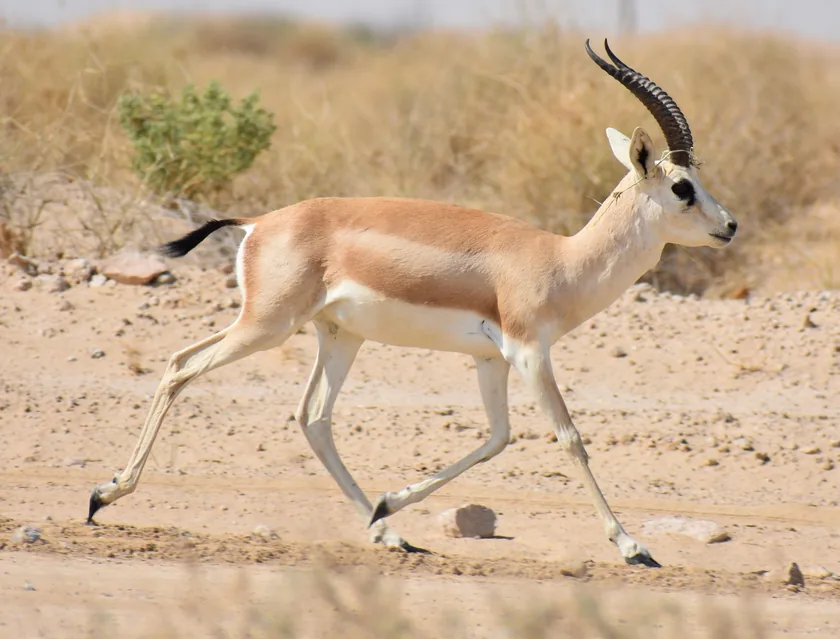
Thirty-eight sand gazelles are living inside a working 250-megawatt solar park in the Prince Mohammed bin Salman Royal Reserve. The first births are expected in December and have not happened yet.

Read the original
The reporting lives at Al Arabiya. Our summary is checked against it, and we link it on every story.
Thirty-eight sand gazelles have been placed in a working solar park inside the Prince Mohammed bin Salman Royal Reserve. Al Arabiya reported on October 6, 2026, that the group is 33 females and five males, on a 505-hectare site with 250 megawatts of panels already generating power. The reserve called the pairing of solar infrastructure and rewilding a global first. The first offspring are expected in December, so none of those births are confirmed yet.
A population model suggests the herd could reach about 600 by 2031. Managers want at least 500 animals before a wider release across the 24,500-square-kilometer reserve. A seven-month trial that began in October 2025 included sand gazelles, mountain gazelles, and Arabian hares, and a breeding phase started in May. The panels lower the ground temperature by about 5 to 10 degrees Celsius, and about 73 percent of the site is considered suitable habitat. A predator-proof fence rings the park. Amaala Sustainable Company for Energy operates the plant, with EDF, Masdar, SUEZ, and Korea East-West Power, to supply the AMAALA development. Reserve chief executive Andrew Zaloumis said the aim is wildlife that can sustain itself without constant intervention. Sand gazelles are classified as vulnerable.
For the classroom
Thirty-eight sand gazelles now live inside a solar park in a large nature reserve in Saudi Arabia. The solar panels shade the ground and make it a little cooler. Keepers hope the first babies will be born in December. Those births have not happened yet.
- Why might animals use the shade under solar panels?
- How many sand gazelles were moved into the park?
- Why is it too early to say the herd is growing on its own?
For a teacher to read with a class. Print the story of the day · All classroom stories
More good news
Other stories in the same neighborhood of kindness.
 Animals
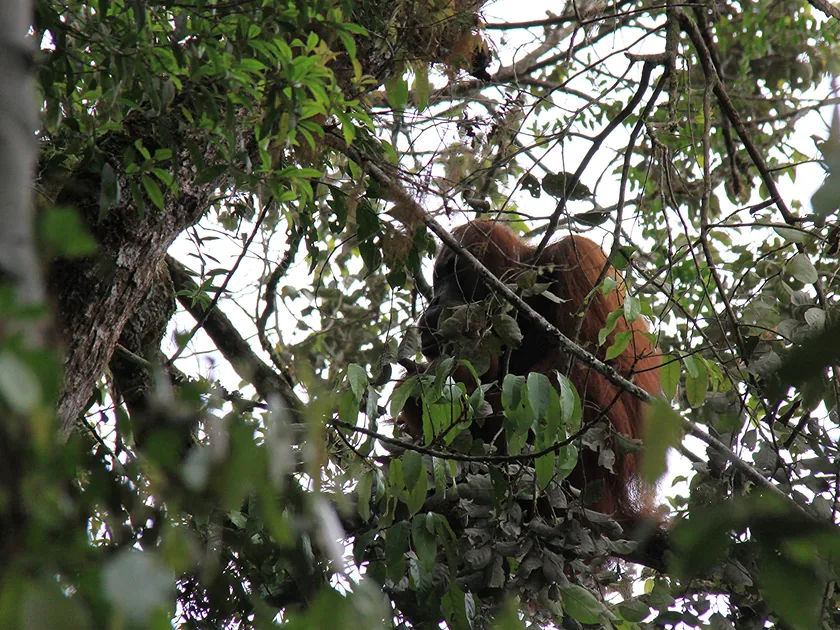
A young orangutan rescued in India arrived home in Sumatra
A male about three years old, taken from the illegal trade and held for rehabilitation in India, landed in Medan to begin quarantine and a planned return to care in North Sumatra.
Verified · The Indian Express Animals
Alcatrazes marked ten years as a wildlife refuge
A decade after the archipelago off São Paulo became a federal refuge, monitors say sharks are showing up again. Night fishing is still a problem.
Verified · Folha de S.Paulo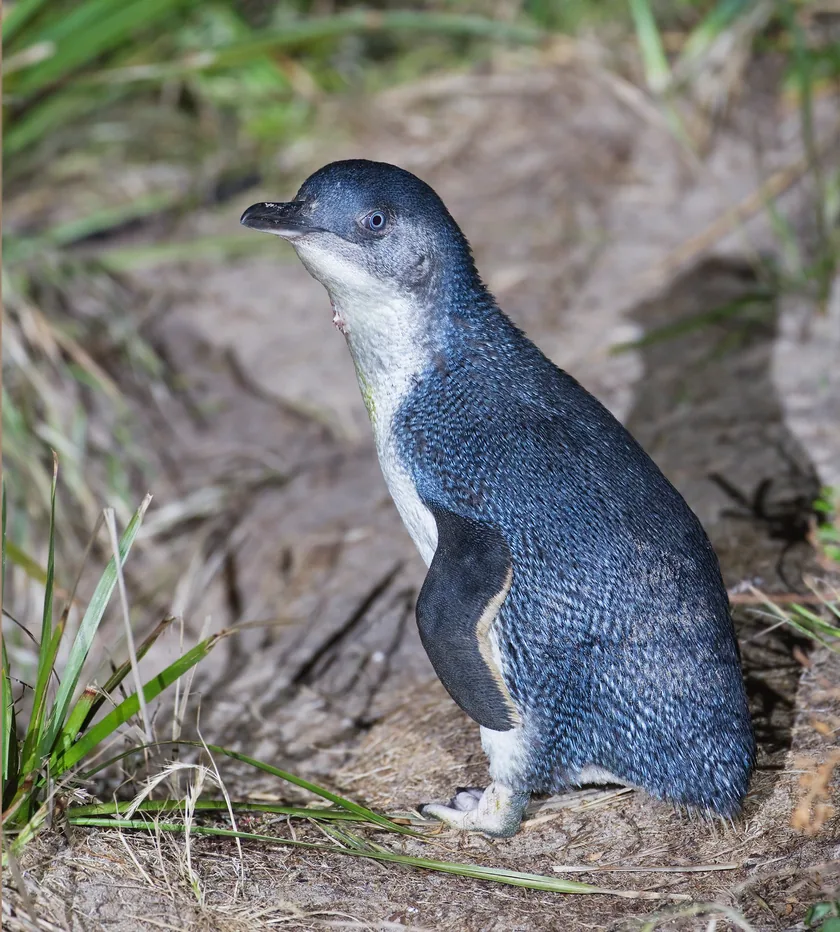 Animals
Hidden nest sites give little blue penguins a quieter shore
Around Kaikōura, a wildlife trust and volunteers built predator-controlled nesting reserves and are keeping the locations private so people do not disturb the birds.
Verified · RNZ