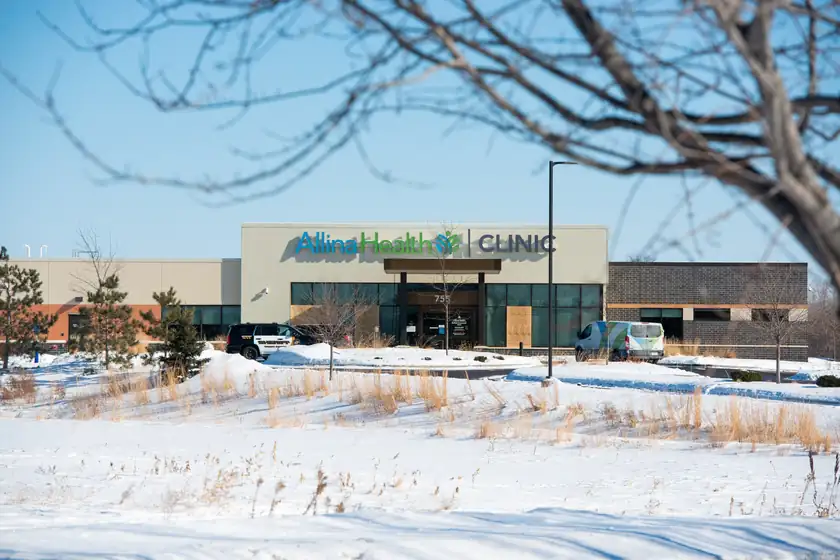
Health & TechDes Moines University and UnityPoint launch a rural health collaborative
Starting in Webster County, the effort targets earlier cancer screening, radon risk reduction, and an online hub of local resources.
Verified · KCRGTodayHealth & Tech
Health & Tech
Medical advances and useful technology already helping people, or shown in human trials. Verified good news, each story linked to its original source.
ArkansasCaliforniaColoradoIndianaIowaKentuckyMaineMarylandMassachusettsMichiganNew JerseyNorth CarolinaPennsylvaniaTennesseeTexasVirginiaWashingtonWisconsin
Health & Tech in MarylandHealth & Tech in PennsylvaniaHealth & Tech in TennesseeHealth & Tech in California
BarbadosBrazilChinaEritreaItalySaudi ArabiaSwitzerlandUnited Kingdom
Health & TechStarting in Webster County, the effort targets earlier cancer screening, radon risk reduction, and an online hub of local resources.
Verified · KCRG

Health & TechSogroya was approved for children 2.5 and older. In the phase 3 REAL8 trial, weekly dosing matched daily injections and spared families 313 injection days a year.
Verified · Healio
Health & TechIn an NIH-sponsored phase 1 challenge trial led by UW Medicine, 13 of 15 people given PfSPZ-LARC2 stayed infection-free against a different malaria strain, versus none of 7 on placebo. Larger trials are still ahead.
Verified · UW Medicine Newsroom
Health & TechLivsayis is the first siRNA drug for anti-AChR-positive generalized myasthenia gravis. In a 24-week trial, 77 percent of adults improved on daily-living scores, compared with 44 percent on placebo. It carries a meningococcal infection warning.
Verified · WebMD
Health & TechInfilbray, a daily pill that reaches the brain, improved a combined coordination and thinking score versus enzyme infusions in a 52-week trial of 43 patients. Survival was not the measure.
Verified · U.S. FDA
Health & TechThe FDA approved Lembaz, a spinal injection every two weeks. Among 36 treated patients, median survival was 8.5 years versus 4.9 in matched controls. It carries a boxed warning for hearing loss.
Verified · U.S. Food and Drug Administration
Health & TechThe FDA approved giredestrant with everolimus for a specific advanced breast cancer. In a 207-patient trial it cut the risk of progression or death by 62%.
Verified · Reuters
Health & TechAfter surveys of all 58 sub-zobas and two decades of the SAFE strategy, WHO validated Eritrea on November 16. The disease can still appear, and surveillance stays in place.
Verified · World Health Organization
Health & TechThe FDA approved durvalumab, sold as Imfinzi, plus enfortumab vedotin before bladder removal, then durvalumab afterward, for muscle-invasive bladder cancer in patients who cannot take cisplatin or who decline it. In the 695-patient VOLGA trial the combo cut the risk of an event by about half. It is not a cure.
Verified · U.S. Food and Drug Administration
Health & TechThe FDA approved Gazyva, obinutuzumab, for adults with primary membranous nephropathy at risk of getting worse, to induce remission of protein in the urine. In a 142-person trial, 36 percent reached complete remission at week 104, compared with 6 percent on tacrolimus. It is not a cure.
Verified · U.S. Food and Drug Administration
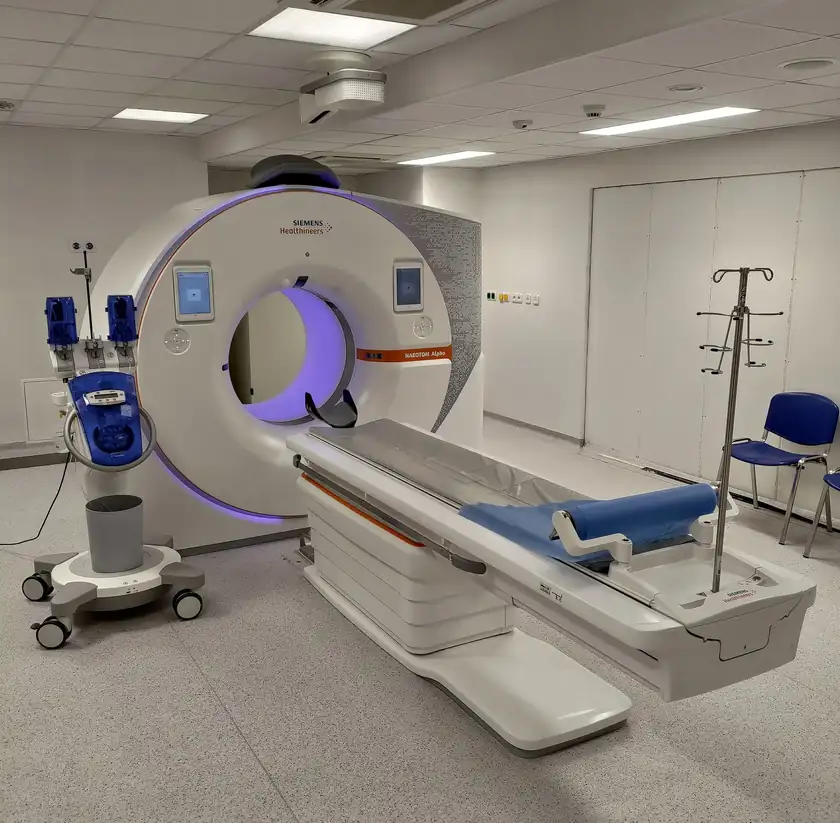
Health & TechUAMS Winthrop P. Rockefeller Cancer Institute launched low-dose CT lung screening vans, each with a tobacco-cessation counselor, for the rural Delta and other underserved areas. Two are running now, and six are planned.
Verified · KUAF
Health & TechIn a first-in-human safety study from Wake Forest, all 10 stubborn diabetic foot ulcers fully closed within six months. It is not a cure.
Verified · Atrium Health Wake Forest Baptist
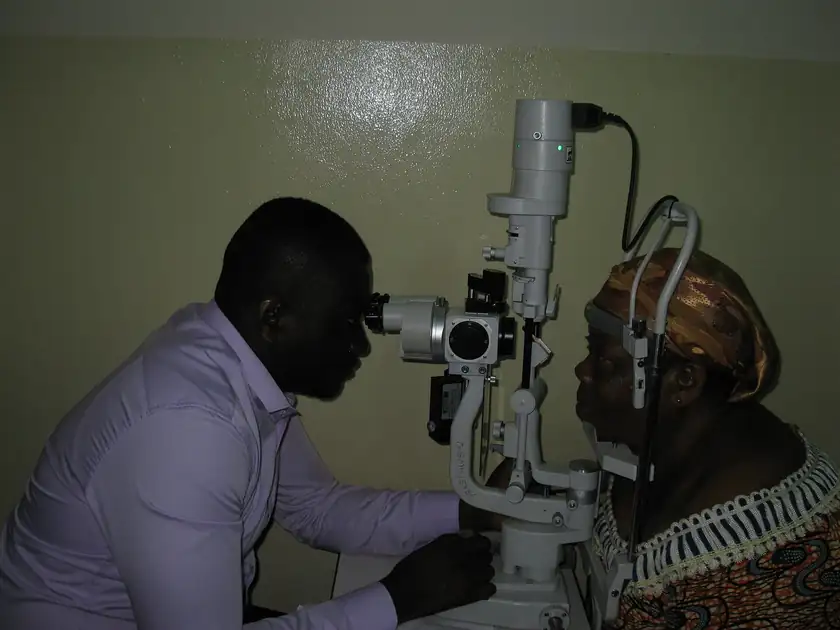
Health & TechPenn's Scheie Eye Institute in MOTION van screens people in underserved Philadelphia neighborhoods for glaucoma, diabetic retinopathy, and other conditions, with telehealth reads by ophthalmologists and donor-funded treatment for uninsured patients.
Verified · WHYY
Health & TechIn a Vanderbilt randomized trial of nearly 2,000 analyzed patients with positive ANA tests, flagging high-risk patients for fast-track rheumatology referral cut the median time to diagnosis from 138 days to 43. The study is in NEJM AI and was supported by the NIH.
Verified · Vanderbilt Health News
Health & TechFourteen people with a hormonal cause of hypertension took baxdrostat for six to 12 months. Up to two years later, blood pressure was still lower. A larger trial is under way.
Verified · The Guardian
Health & TechA UAMS team removed a benign pituitary tumor through Ray Rowland's nose. Rowland, 68, woke up seeing better and hopes to return to fishing.
Verified · KATV
Health & TechSunharbo (asundexian), the first factor XIa inhibitor, was approved for adults after a recent mild-to-moderate ischemic stroke or high-risk TIA, based on a 12,327-patient Phase 3 trial.
Verified · U.S. Food and Drug Administration
Health & TechIn the randomized OPTIMAL-Stroke trial of 4,368 people, a systolic target below 120 instead of 140 lowered major cardiovascular events by about 21 percent over four years. Kidney-related events rose.
Verified · American Heart Association
Health & TechIn the 695-patient phase 3 VOLGA trial, published in NEJM and co-led by UCLA, durvalumab plus enfortumab vedotin before bladder removal raised two-year survival to 78.4 percent from 69.4 percent for patients who cannot take cisplatin. AstraZeneca funded the study.
Verified · UCLA Health
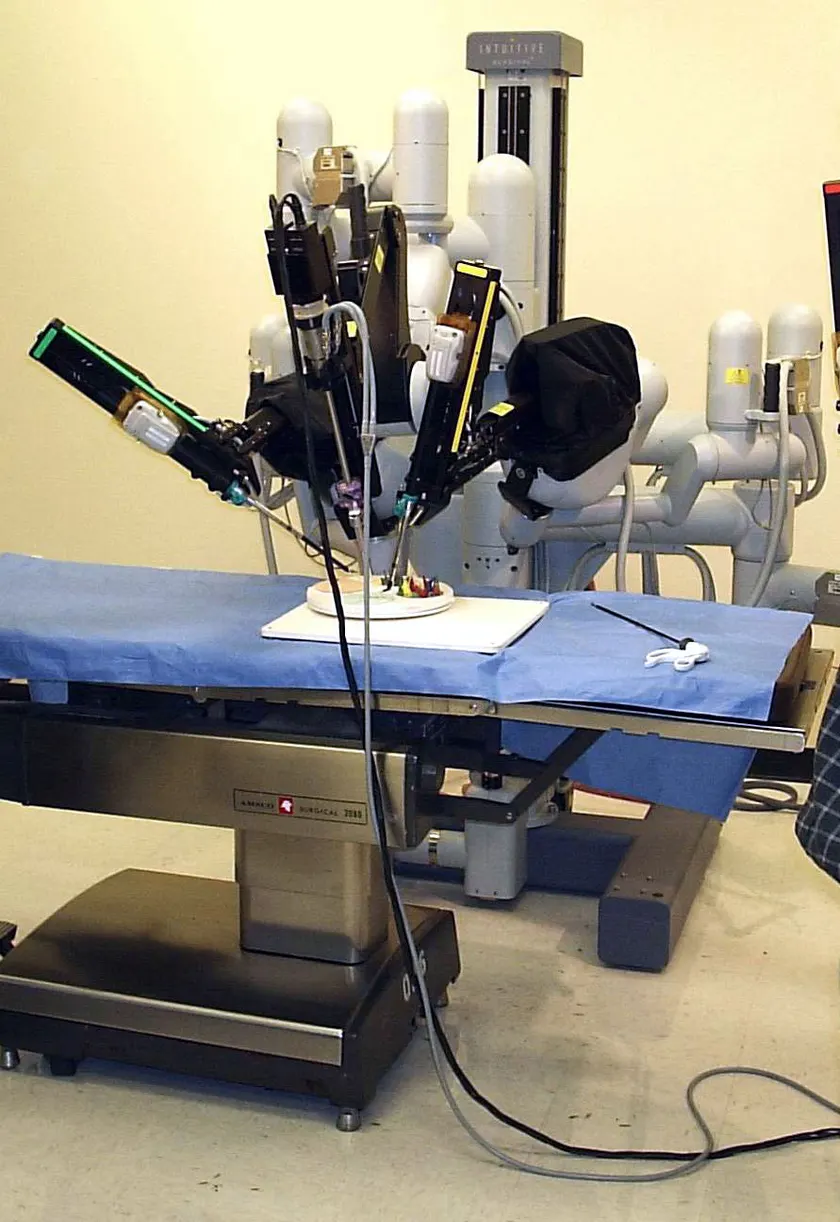
Health & TechThe Royal Hospital for Children bought a Versius Plus after a £1.5 million gift. Surgeons already used it for more than 30 operations in a trial. The hospital says it is the first children's hospital to own this system outright.
Verified · BBC News
Health & TechRhys Evans was born without a working immune system and was the first patient in a Great Ormond Street trial in 2001. He is 26. The doctor who treated him says more than 130 people have had the therapy since.
Verified · BBC News
Health & TechAfter a gene therapy and a low dose of clozapine, two people's monthly seizures fell from 4.5 to 0.5 and the third's from 4 to 0. Nature reported there was no comparison group, and an outside neurologist said the result is too small to settle why it happened.
Verified · Nature
Health & TechIn a 236-patient phase III trial, ponatinib plus blinatumomab led to 86 percent event-free survival at two years, versus 67 percent with imatinib plus chemotherapy. Follow-up is still relatively short.
Verified · The ASCO Post
Health & TechVanderbilt and Johns Hopkins researchers built the open-source AURA tool into health records. In a two-year randomized trial of about 1,960 patients, those with the alert were diagnosed in a median 43 days versus 138.
Verified · Johns Hopkins Engineering for Professionals (NEJM AI study)