Raised mounds helped a mangrove forest return in Alvarado
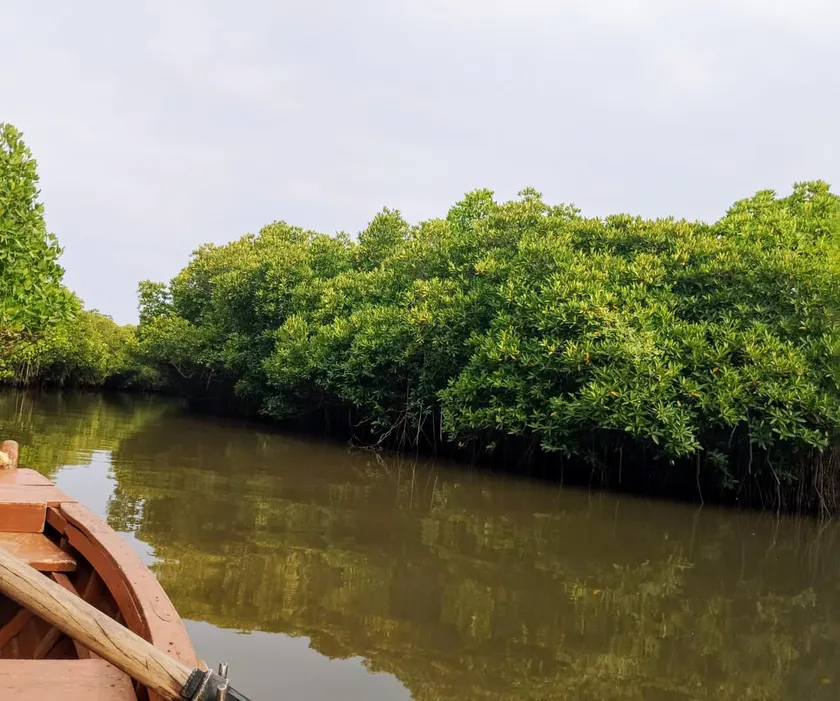
After rows of seedlings died, a Veracruz team copied the clumps they saw in healthy forest and planted on hand-built mounds. A first patch of about 2,000 trees became more than 4,000 as seedlings drifted in and took root.

Read the original
The reporting lives at Mongabay. Our summary is checked against it, and we link it on every story.
Mangroves around the Alvarado lagoons in Veracruz are growing again on small islands of soil that people piled up by hand. Mongabay reported on October 30, 2026, that biologist Aníbal Ramírez Soto, now director of the nonprofit REVIVE, watched seedlings planted in straight rows die. From a surviving tree he noticed that healthy mangroves stood in raised clumps. He built a mound of wetland soil and the seedlings lived. He calls the mounds chinampas, after the island fields of the Aztecs.
Cattle pasture had replaced mangroves that were cut and burned, and the soil had collapsed so new trees could not get a start. Ramírez Soto said the fix was to put the soil back. The team and local communities planted about 2,000 trees on hundreds of mounds. When they returned, more than 4,000 had taken root, because seedlings from elsewhere floated in and stuck. By the second year, trees were growing past the mounds. By the eighth year, canopy cover was about 80 percent. A larger project now covers about 15,000 chinampas on 40 hectares, and machines build some of the mounds. The group posted 17 years of results as a preprint, which is not the same as a finished journal review.
REVIVE has also released about 80 Morelet's crocodiles since 2017 and hopes the animals will keep channels open. Mongabay included a clear limit on that part. Crocodile specialist Charlie Manolis told the reporters there is not enough evidence that mangroves fail if crocodiles are absent, and a 2020 review did not settle the question. The forest numbers above are the part the team has counted. The crocodile effect is still an argument, not a measured result.
Alvarado, MexicoTreesWildlife conservationVolunteersGood news on October 30
More good news
Other stories in the same neighborhood of kindness.
 Animals
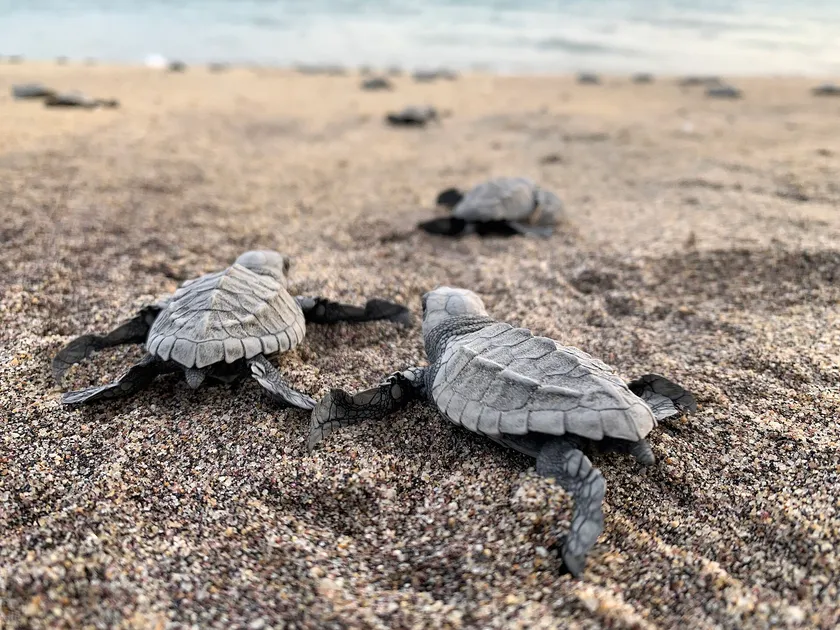
A Puerto Vallarta turtle camp has released about 31,000 hatchlings this season
The Playa Holi camp, run with the city and RANA A.C., counted the releases from July 15 through October 21.
Verified · Vallarta Independiente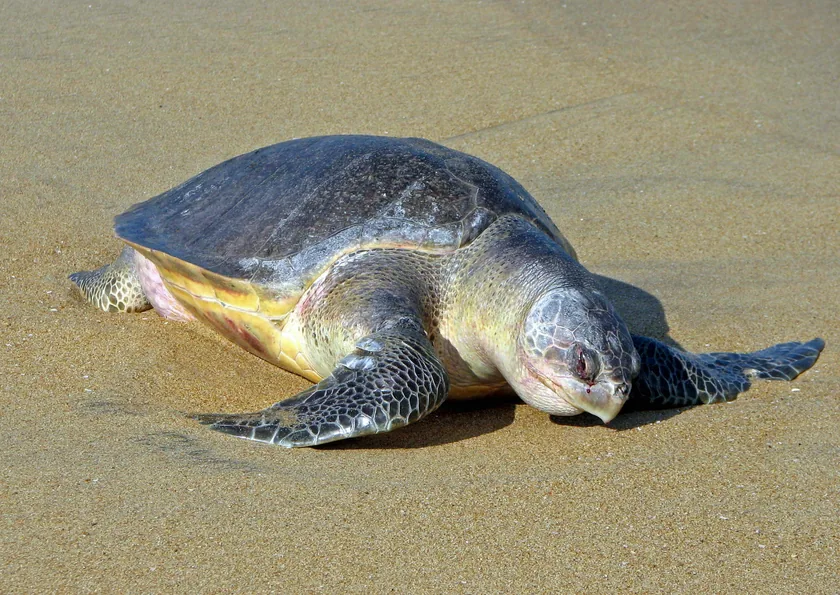 Animals
The first olive ridley hatchlings of the season emerged in Michoacán
At the Motín del Oro camp, in the community of El Coire, the season's first olive ridley hatchlings left the sand after a hard start of heat, dry sand, and storms.
Verified · MiMorelia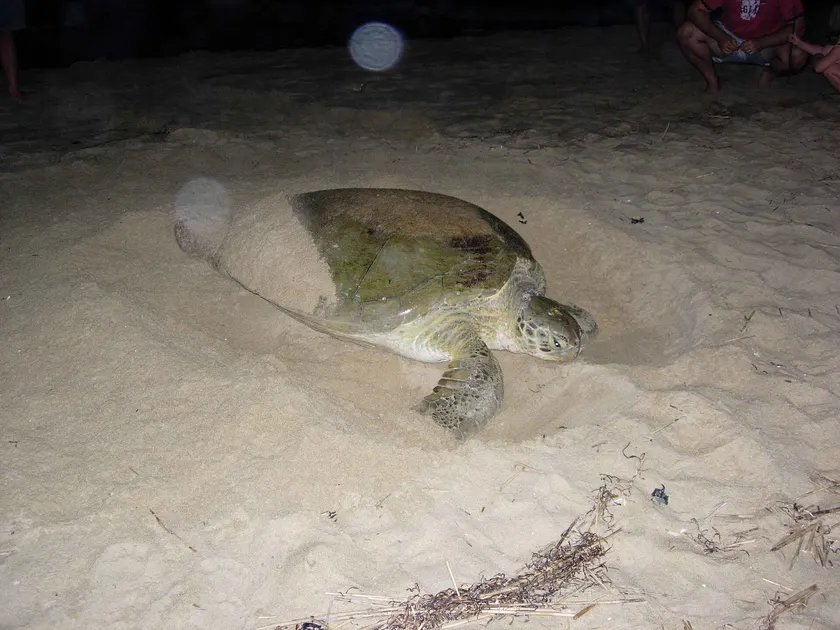 Animals
Punta Sur's turtle camp sent 3,705 hatchlings to the sea
By September 30 the Cozumel camp had protected 625 nests, most of them green turtles, and cleared more than 1,500 kilograms of trash off the beach.
Verified · NTCD