Cash with no strings attached helped three Asháninka communities tend the forest
A two-year Cool Earth pilot gave 211 people six payments and saw food insecurity fall sharply. Researchers did not measure the trees themselves, and they say the trial is too small to settle the question.

Read the original
The reporting lives at The Guardian. Our summary is checked against it, and we link it on every story.
A two-year pilot in three communities in Peru's Asháninka region gave 211 adults an unconditional basic income, and most of them reported practices that care for the forest. The Guardian reported the University of Bath analysis on October 20, 2026.
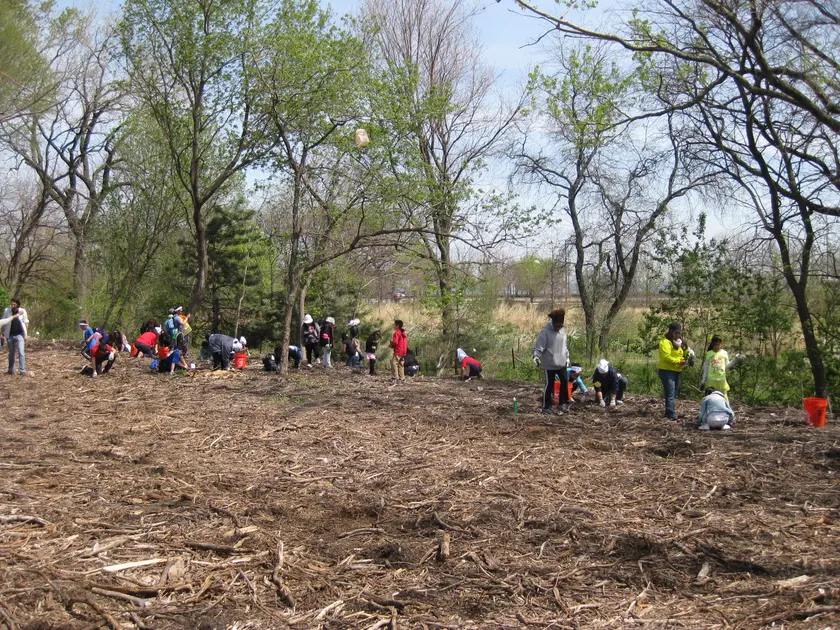
Cool Earth made six cash transfers of 1,032 soles each, roughly £2 a day, for people to spend as they chose. A voluntary programme of community-led classes covered finance, conservation, and climate, and the project was drawn up with local women's groups. Almost 90 percent of participants adopted practices such as collective reforestation, restoring water sources, and burning less forest. Households that could not afford nutritious food fell from 73 percent to 26 percent. The share who left home to find work fell from 43 percent to 18 percent. Co-author Nick Langridge said communities with more security and autonomy are better able to protect the ecosystems they depend on.
The study covered a little over 500 hectares, about 1,235 acres. Researchers did not measure changes in vegetation or soil, and they did not account for other projects that might have changed what people did. The University of Bath also notes that there was no control group and that the period was short. Other studies of cash transfers have found that extra money can increase deforestation. The authors say wider research is needed. Cool Earth's hope of extending the idea to more communities in the Peruvian Amazon and in Colombia later in 2026 is a plan, not a result.
More good news
Other stories in the same neighborhood of kindness.
 Animals
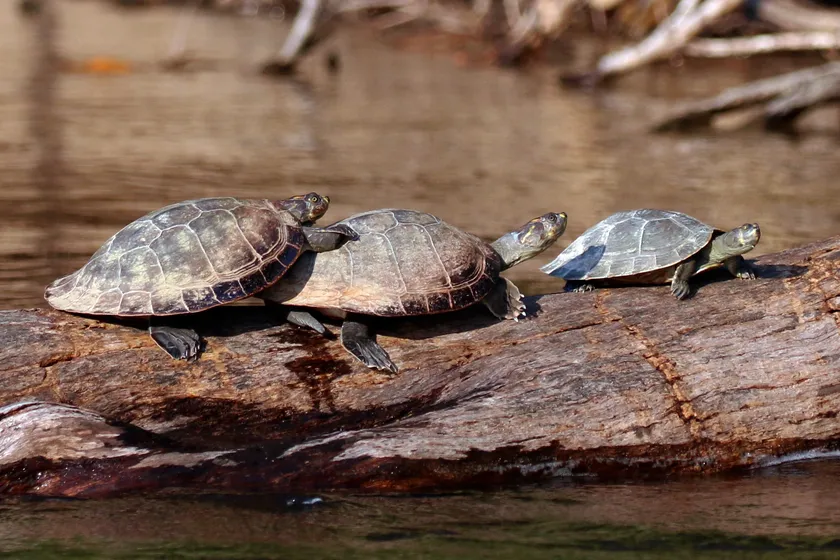
More than 14,000 Amazon turtles went back into the rivers
Sernanp and CIMA-Cordillera Azul put 14,645 taricayas, charapas, and teparos back into Amazon waters, including 6,640 on October 16.
Verified · Peru21 Community
Esther Fischer, 75, is now the oldest person to hold a handstand
Guinness certified the Perth gym member this week after she held an unaided handstand for 55 seconds on August 31. The mark to beat was 15 seconds.
Verified · ABC News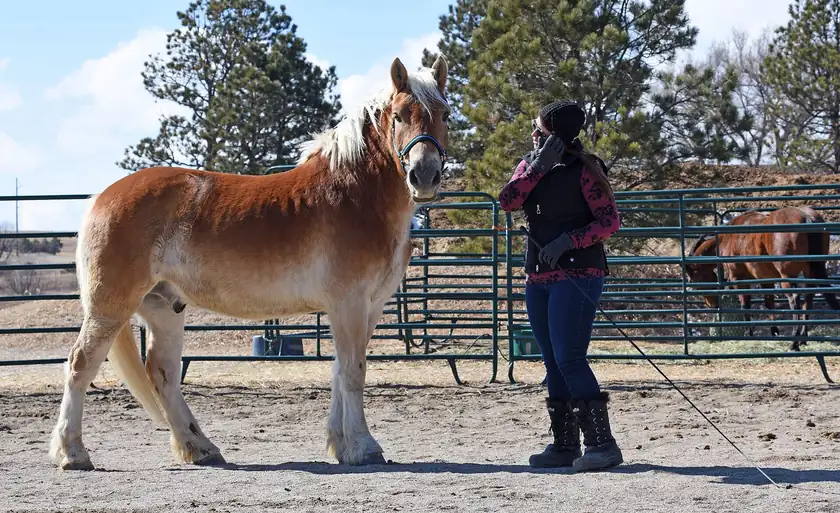 Community
A horse barn becomes a sensory-friendly trick-or-treat
LoveWay's fifth annual Barn Boo-Nanza turned stalls into candy booths and offered calm, spaced-out games, so some children got to trick-or-treat for the first time.
Verified · ABC57