New Zealand's heaviest insect is officially increasing
A 15-year breeding effort at Auckland Zoo and Butterfly Creek has put about 11,000 wētāpunga back into the wild. On two islands, the insects are now raising their own young.

Read the original
The reporting lives at The Guardian. Our summary is checked against it, and we link it on every story.
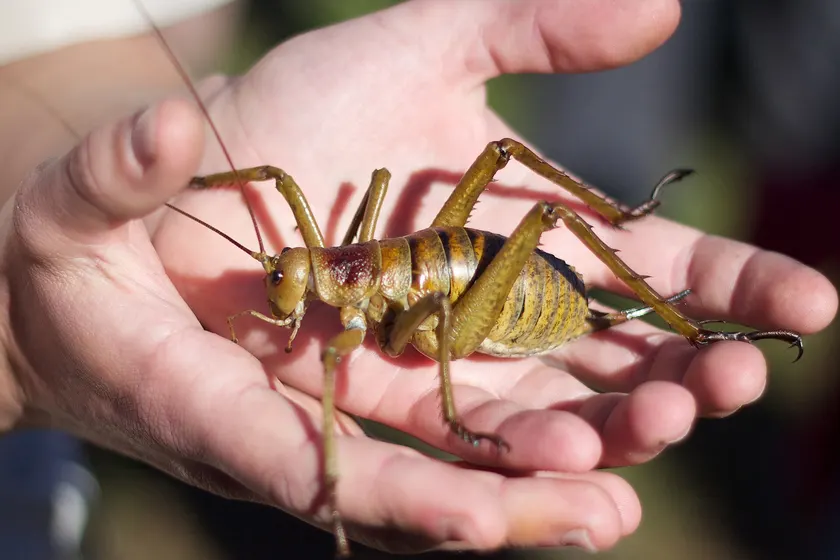
New Zealand's wētāpunga, often called the world's heaviest insect, is now classed as nationally increasing. The Guardian reported on October 5, 2026, on a paper in the New Zealand Journal of Zoology by honorary Department of Conservation researcher Chris Green. A breeding program over about 15 years has released around 11,000 insects. A female can weigh as much as a mouse, with a body up to 10 centimeters long and a leg span up to 20 centimeters.
The insects are presumed extinct in the wild on the mainland. They held on mainly on predator-free islands in the Hauraki Gulf and off Northland. Auckland Zoo and Butterfly Creek raised nymphs on foliage, fish-flake protein, and leaf litter, then moved them once they were large enough to cope. Green counted 45 translocations to islands and to some mainland reserves north of Auckland. Monitoring on two islands found self-sustaining populations, with fourth and fifth generations born there. The Guardian corrected an earlier line: the new status is nationally increasing, not nationally recovering. The paper is about this insect's recovery, not a claim that New Zealand's other threatened species are in the same position.
For the classroom
Wētāpunga are giant insects from New Zealand. A female can weigh about as much as a mouse. For years they lived mostly on islands without the predators that wiped them out elsewhere. Keepers at Auckland Zoo and Butterfly Creek learned how to raise them in groups. About 11,000 have been moved to new wild places, in 45 separate trips. On two islands, later generations are now being born in the wild. New Zealand's threat list has changed their status from nationally endangered to nationally increasing.
- Why did wētāpunga disappear from most of the North Island?
- What has to happen before keepers move a young insect to a new island?
- How could your class explain why an island without rats matters?
For a teacher to read with a class. Print the story of the day · All classroom stories
More good news
Other stories in the same neighborhood of kindness.
 Animals
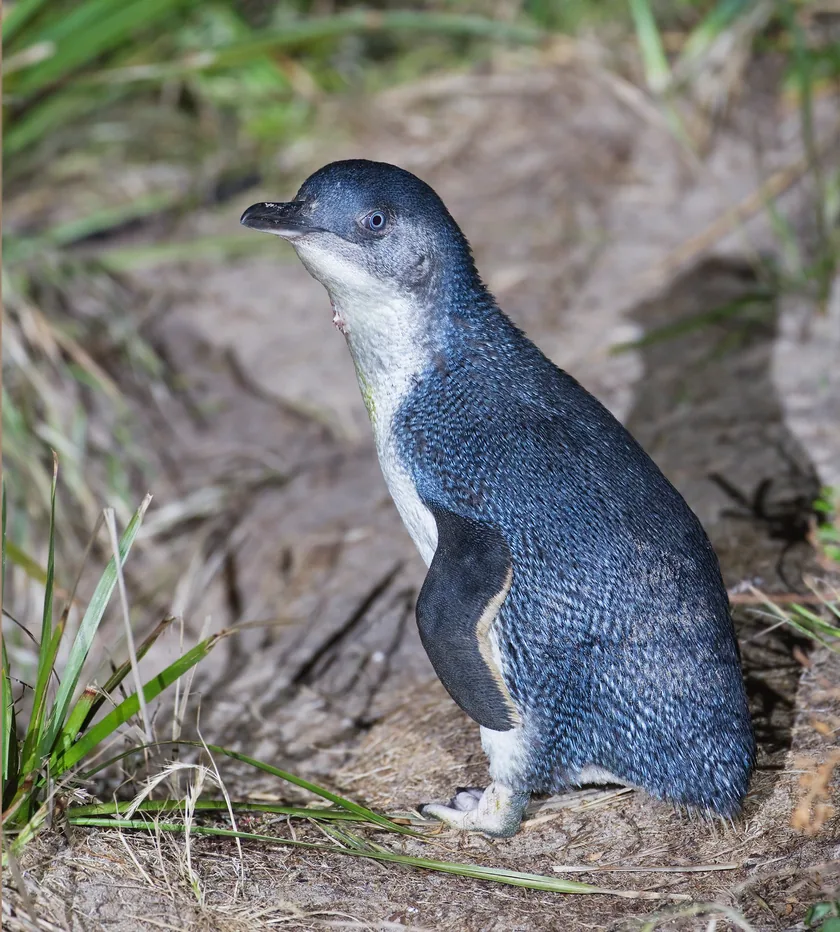
Hidden nest sites give little blue penguins a quieter shore
Around Kaikōura, a wildlife trust and volunteers built predator-controlled nesting reserves and are keeping the locations private so people do not disturb the birds.
Verified · RNZ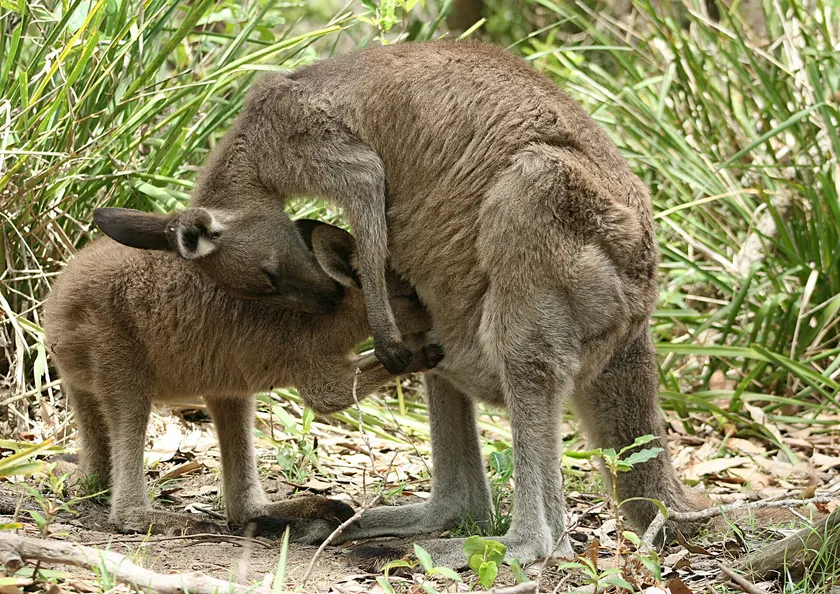 Animals
A kangaroo three kilometers offshore was lifted onto a boat
A crew in Boston Bay, off Port Lincoln, found a male kangaroo in the water, brought him onto the boat, and later watched him hop away from the beach.
Verified · ABC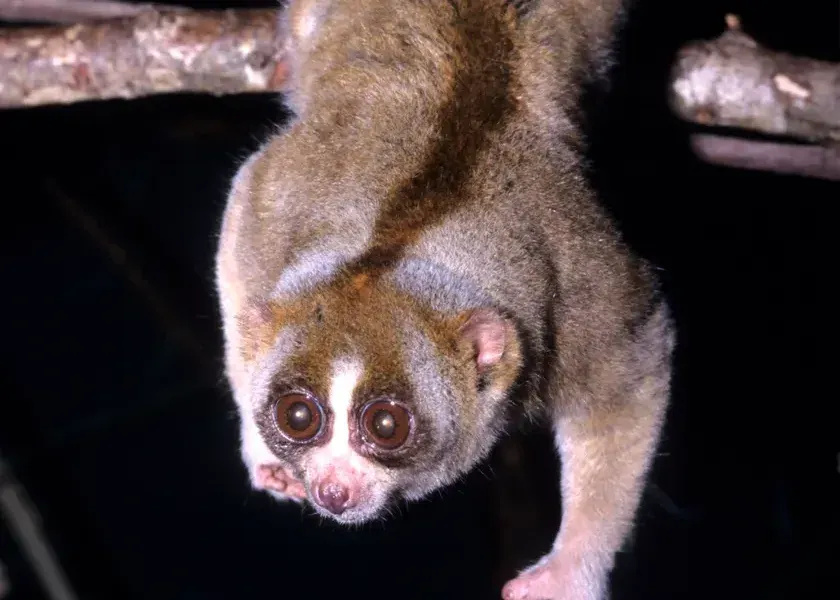 Animals
The Bangka slow loris is still living on its island
A scientific paper and a rescue center's records show the primate, last documented by scientists in the early 1930s, has been found across Bangka. Most of the animals that were brought in were later released.
Verified · The Jakarta Post