Barcelona is releasing wolbachia mosquitoes that do not bite
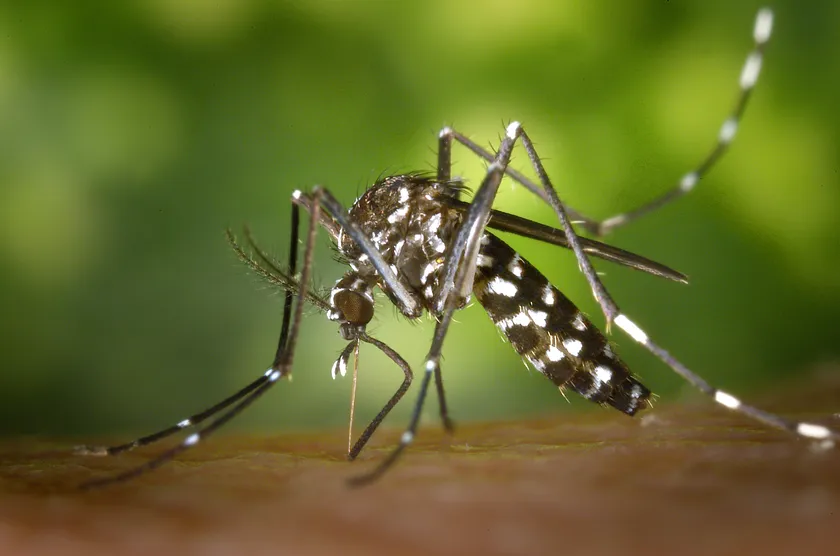
The city's public-health agency is letting out 80,000 male tiger mosquitoes a week. The males carry wolbachia so wild females' eggs do not hatch. The trial has not yet reported whether the city's mosquitoes declined.

Read the original
The reporting lives at El Mundo. Our summary is checked against it, and we link it on every story.
Barcelona has started letting male Asian tiger mosquitoes out into two neighborhoods so that fewer mosquitoes hatch. El Mundo reported on October 16, 2026, that the Barcelona Public Health Agency is releasing about 80,000 males a week at Ciutadella Park, centered on the zoo, and at Plaça de Les Corts. The males do not bite. They carry the bacterium wolbachia, which the agency puts into tiger-mosquito eggs from a lab in Miami. Males are then sorted with an image system. When they mate with wild females that do not carry the same bacterium, the eggs do not develop.
Tomàs Montalvo, head of the agency's pest service, told El Mundo the technique is safe for people because the males neither bite nor pass on disease, and that it avoids biocides. Tiger mosquitoes can carry dengue, chikungunya, Zika, and yellow fever, but the agency said most cases found in the city were picked up abroad. The releases are meant to sit alongside the older work of emptying breeding spots and controlling larvae, not to replace it.
The pilot is there to test whether the method works and can be kept up. El Mundo did not report a drop in mosquito numbers, or in infections, from this trial.
More good news
Other stories in the same neighborhood of kindness.
 Science
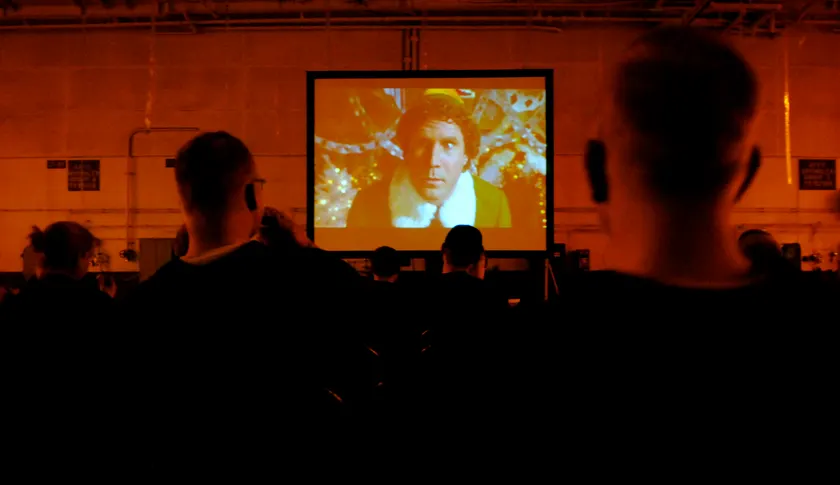
A lost silent film found in Japan is coming home to Newport
A Japanese film student found Van-ar-chy, shot around Sunapee by Newport silent-film pioneer Billy B. Van, and a local archivist is bringing it home for a community screening.
Verified · WMUR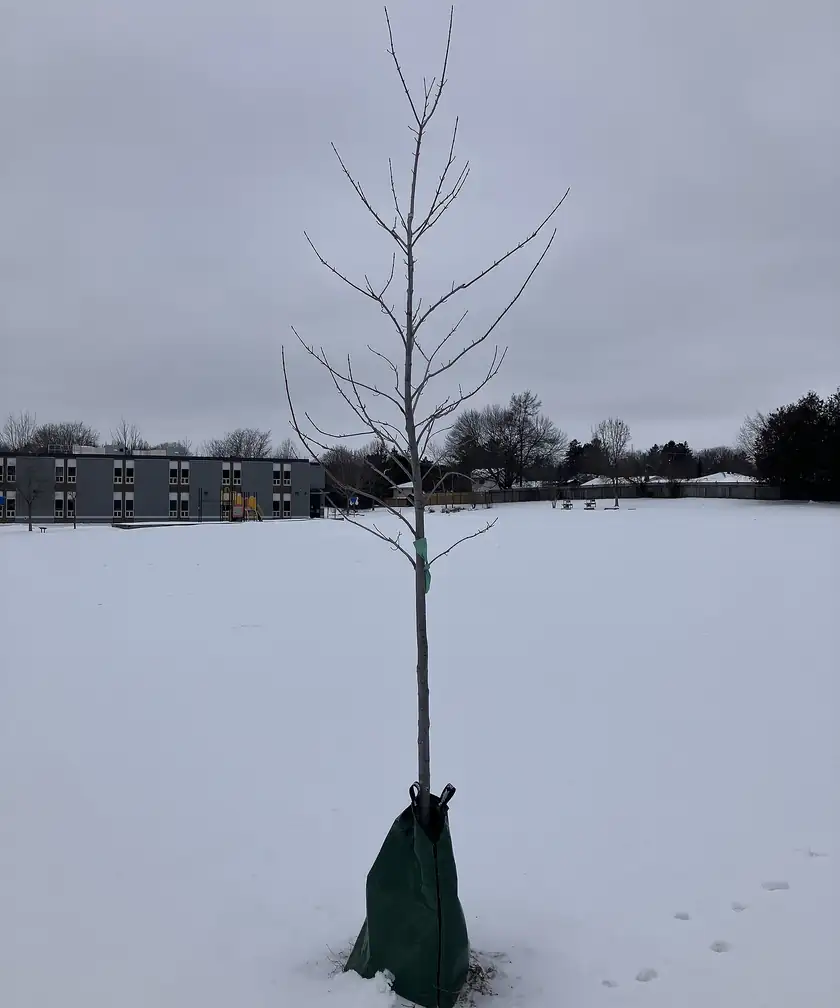 Science
Eighty volunteers planted native trees at Spokane's Waikiki Springs
The Inland Northwest Land Conservancy and wildlife crews are restoring 10 acres of floodplain on the Little Spokane River. Volunteers from age 6 to 80, including refugee teens, came to plant.
Verified · The Spokesman-Review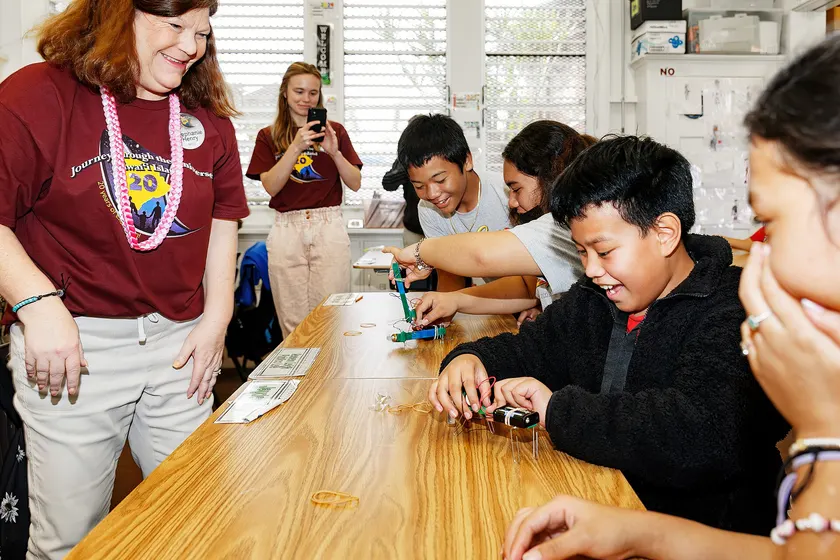 Science
Valley Middle School students built robots at UND's BrainSTEM day
Students spent a day in University of North Dakota labs making airfoils, spaghetti bridges, and robots that clean solar panels.
Verified · Grand Forks Herald