A new reserve along the Iténez protects a corridor of Amazon wildlife
Good News Network reported that the Agua Dulce municipal reserve covers about 715,000 acres on the Bolivia-Brazil river border, including jaguars, giant otters, and river dolphins.

Read the original
The reporting lives at Good News Network. Our summary is checked against it, and we link it on every story.
A municipal wildlife reserve now covers about 715,000 acres along the Iténez River, the long water border between Bolivia and Brazil. Good News Network reported on October 27, 2026, that the Agua Dulce reserve was created in local law, with the Bolivian group Faunagua leading and Rainforest Trust supporting the work. Rainforest Trust's own October announcement placed the reserve in Baures.
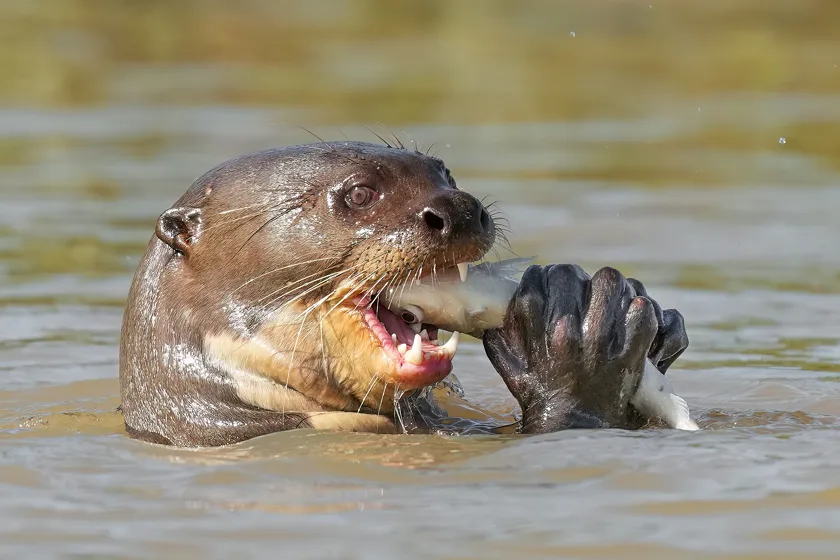
The report describes jaguars, Amazon river dolphins, giant otters, lowland tapirs, and black caimans, and about 260 fish species, 25 of them found nowhere else. The river runs roughly 780 miles. The new reserve sits among protected areas on both banks, including Noel Kempff Mercado National Park and Iténez Departmental Park on the Bolivian side and Corumbiara State Park and the Pedras Negras extractive reserve on the Brazilian side.
Faunagua executive director Rosmery Ayala Lozada said the outside support helped local and municipal agreement, the legal designation, and the management papers. The rules rest on three aims: wildlife, the services the forest and floodplain provide, and sustainable use for the local economy. Faunagua wrote the management plan with the communities who live with the river. The designation is a legal corridor. It is not, by itself, proof that the animals are safer this season than last.
For the classroom
Good News Network reported on October 27, 2026, that a new wildlife reserve was created along the Iténez River, which forms part of the border between Bolivia and Brazil. It is called Agua Dulce, and it covers about 715,000 acres near Baures. The river is home to jaguars, giant otters, river dolphins, tapirs, and caimans, plus hundreds of kinds of fish. A Bolivian group, Faunagua, led the work with local communities and wrote a plan for the land. The reserve is meant to let animals move between protected forests on both sides of the border. A law on paper still needs people to look after it.
- Why do animals need a path between protected forests, not just one park?
- What is a giant otter, and what does it eat?
- Which two countries share the Iténez River?
For a teacher to read with a class. Print the story of the day · All classroom stories
More good news
Other stories in the same neighborhood of kindness.
 Animals
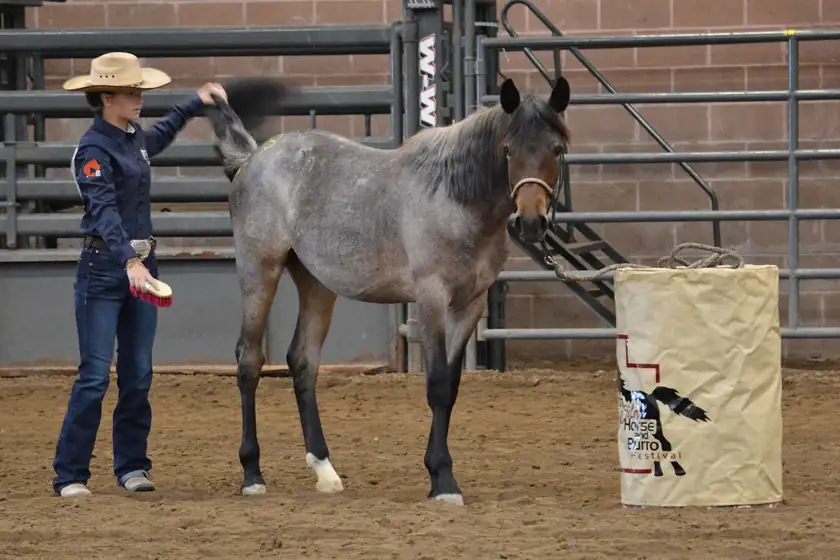
Special Olympics athletes spent a day with rescue horses
Special Olympics Kansas athletes joined Orion Ranch Sanctuary's second Boo Bash in Arcadia for a dance, lunch, games, and time with nearly 50 rescued horses.
Verified · KOAM Animals
A Bonduel coffee shop closed so the staff could help a sanctuary
The Mill in Bonduel shut for a day so its workers, many of them high school students, could volunteer at Happily Ever After animal sanctuary in Green Bay.
Verified · WBAY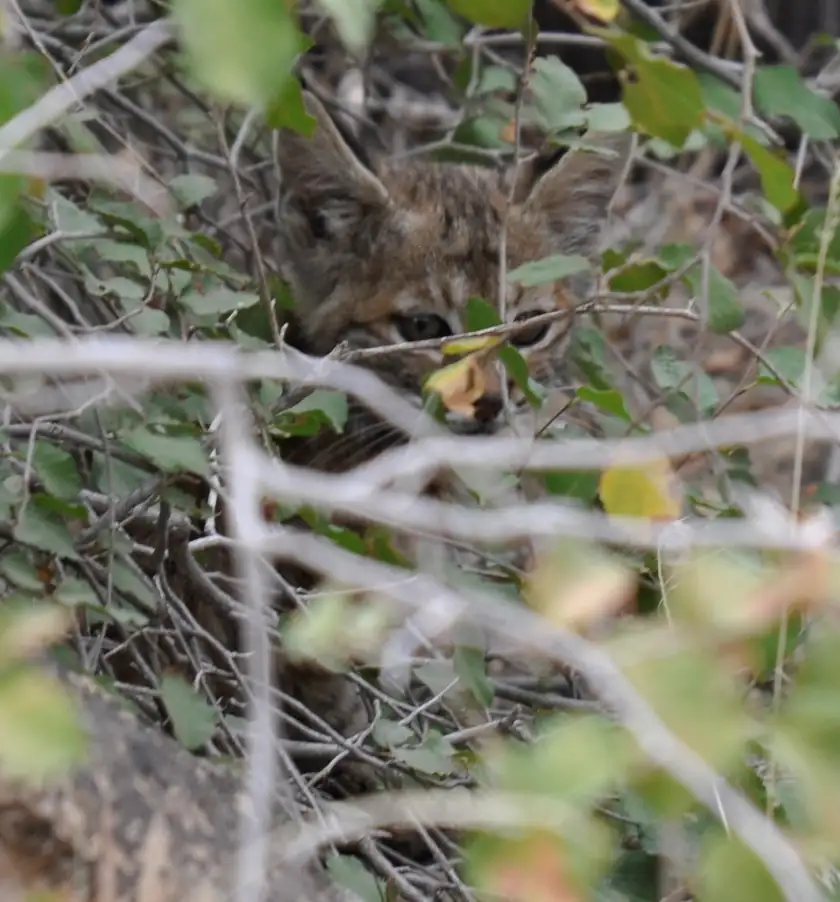 Animals
Two late-season bobcat kittens are in round-the-clock care
Two bobcat kittens found after their den was disturbed near Chatham are being bottle-fed around the clock at the Southwest Virginia Wildlife Center in Roanoke.
Verified · WSLS