A father and son have moved more than 250 wild bee colonies out of Cape Town
The Cape Honeybee Conservancy boxes up colonies from walls and gardens and takes them to farms, including nine hives at an organic wine estate in Elgin.

Read the original
The reporting lives at Africanews. Our summary is checked against it, and we link it on every story.
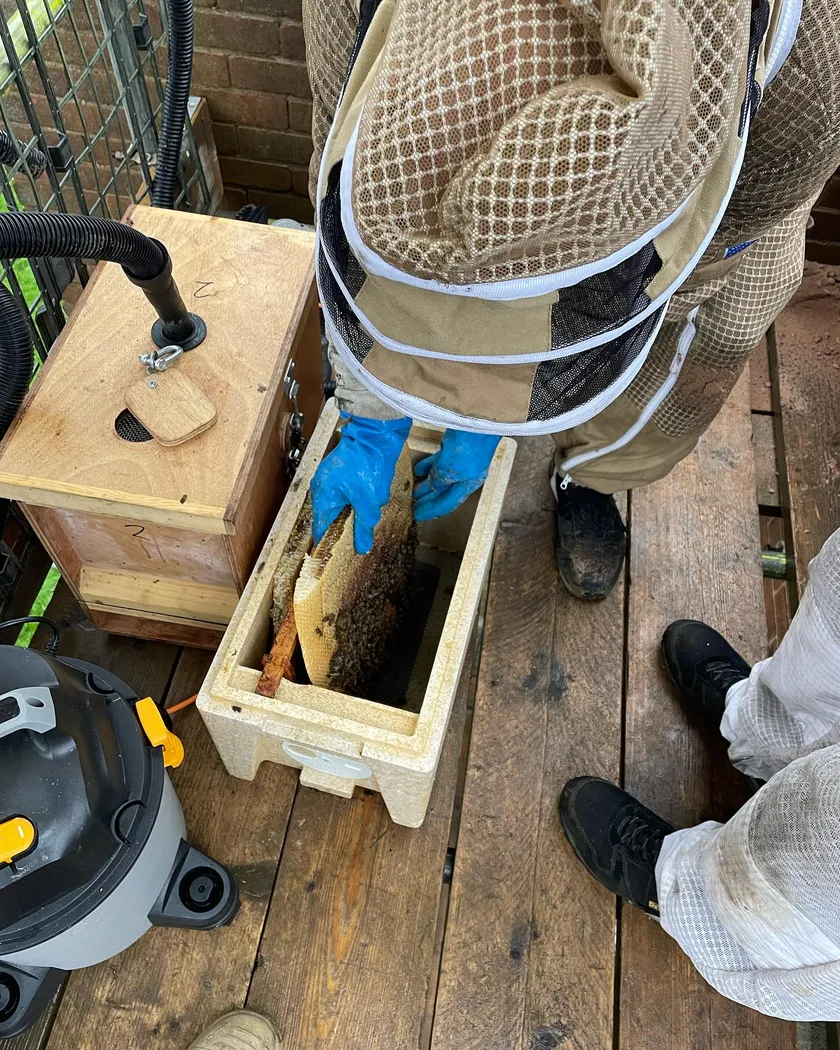
When a colony of wild bees takes over a ceiling, a wall, or a garden ornament in Cape Town, Lourens and Dylan Kruger go and move it. Africanews, with the Associated Press, reported on October 16, 2026, that the father and son founded the Cape Honeybee Conservancy in 2018 and have since relocated more than 250 colonies. A recent call took about 40,000 bees out of a cement garden feature.
Each colony goes into a hive and then to a farm. The conservancy has six bee sanctuaries on farms. At Radford Dale, an organic wine estate in Elgin, about ninety minutes from the city, nine hives hold rescued bees, and the honey is sold. Vineyards do not depend on bees the way some fruit crops do, but the bees still pollinate cover crops and wild plants around the farm.
The Cape honeybee is native to the region and is not a threatened species. Bee specialist Mike Allsopp told the reporters there may be millions of wild colonies around Cape Town, and that most of them live unnoticed. People call when a large colony is close to children or pets. The conservancy's number is colonies moved, not a census of the city's bees.
For the classroom
When wild bees settle in a wall or a garden in Cape Town, Lourens and Dylan Kruger come to move them. Africanews reported on October 16, 2026, that the father and son started the Cape Honeybee Conservancy in 2018. Since then they have relocated more than 250 colonies to farms. One recent job took about 40,000 bees out of a cement garden feature. At Radford Dale, an organic wine farm in Elgin, nine hives hold rescued bees. The Cape honeybee is native and is not listed as threatened, but city life squeezes it. This is a count of colonies moved, not of every hive in Cape Town.
- Why move bees instead of killing them?
- How do bees help a farm even when the crop is grapes?
- What should a family do if bees move into a wall?
For a teacher to read with a class. Print the story of the day · All classroom stories
More good news
Other stories in the same neighborhood of kindness.
 Animals
A snared giraffe at Bisley was found by drone and treated
Searchers near Pietermaritzburg used a drone, with air-traffic permission, to find a young female wearing a wire snare. A vet treated her, and she stood and walked.
Verified · The Witness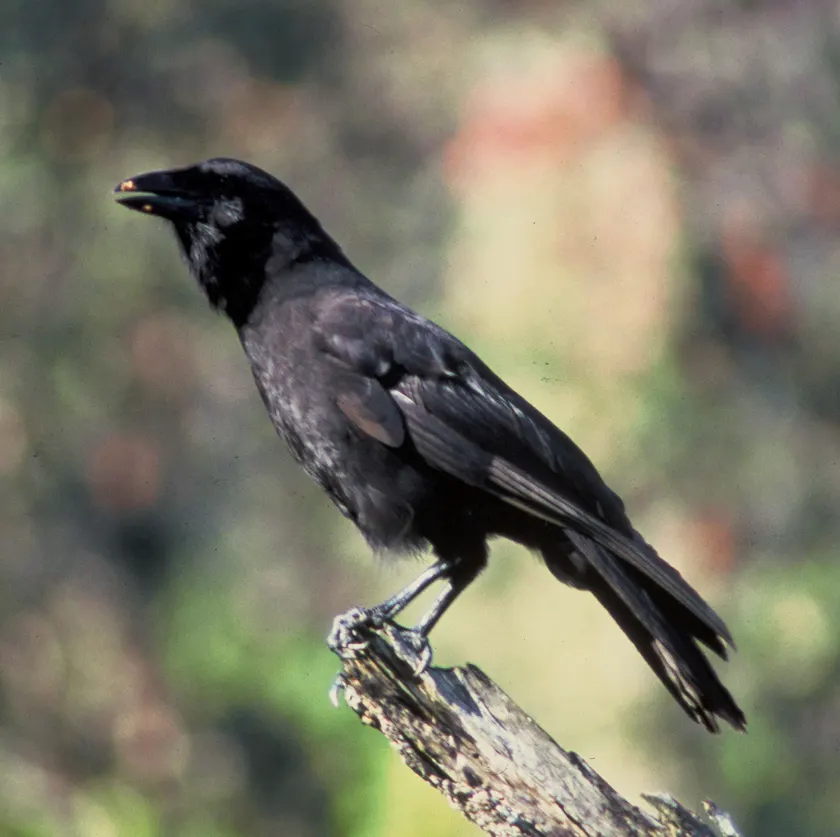 Animals
All five Hawaiian crows released on Maui are still thriving
Nearly two years after their release in the forests of Haleakala, the endangered ʻalalā are foraging, holding territories, and building nests. They have also come through several storms.
Verified · The Maui News Animals
A kangaroo three kilometers offshore was lifted onto a boat
A crew in Boston Bay, off Port Lincoln, found a male kangaroo in the water, brought him onto the boat, and later watched him hop away from the beach.
Verified · ABC