Corvo turns its streetlights off so young shearwaters can find the sea
For five nights each autumn, the smallest island in the Azores blacks out public lighting, and neighbors carry fallen Cory's shearwaters back toward the ocean.

Read the original
The reporting lives at The Guardian. Our summary is checked against it, and we link it on every story.
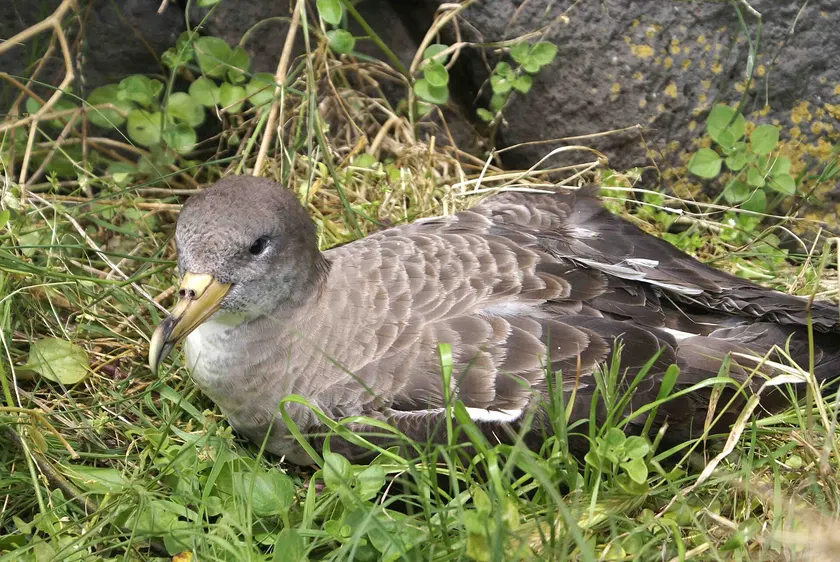
Every autumn, Corvo, the smallest and most northerly island in Portugal's Azores, switches off its public lights for five nights. The Guardian reported on October 25, 2026, that the island's roughly 450 residents have kept up that blackout since 2019 so fledgling Cory's shearwaters can leave the nest and fly toward the ocean by the stars.
The young birds spend about three months in the nest before that first flight. Streetlights can draw them into the narrow streets of Vila do Corvo instead. Neighbors began walking the village at night to pick up grounded birds in 1991. In 1995 the Azorean government widened the rescue into the SOS Cagarro campaign on the other islands, and the Portuguese Society for the Study of Birds later joined the work. Corvo is still the only island that turns public lighting off entirely. People do not have to darken their houses, and many choose to anyway.
Birds that are found spend the night in cardboard boxes, then are released the next day from a cliff close to the ocean. The campaign says more than 30,000 fledglings have been rescued across the Azores since 2015, about 6,000 of them on Corvo.
For the classroom
The Guardian reported on October 25, 2026, that people on Corvo, a small island in Portugal's Azores, turn the streetlights off for five nights each autumn. Young Cory's shearwaters leave the nest and try to fly to the ocean by the stars. Bright lights can pull them into the village instead. Neighbors walk the streets at night, let fallen birds rest in boxes, and release them the next day from a cliff near the water. Corvo is the only Azores island that switches off all of its public lights for the birds. Many people turn off lights at home too.
- Why can a streetlight make it harder for a young seabird to find the ocean?
- What can a person do at night if they find a bird that has landed in the street?
- Where are the Azores, and why might an island community notice a problem like this first?
For a teacher to read with a class. Print the story of the day · All classroom stories
More good news
Other stories in the same neighborhood of kindness.
 Animals
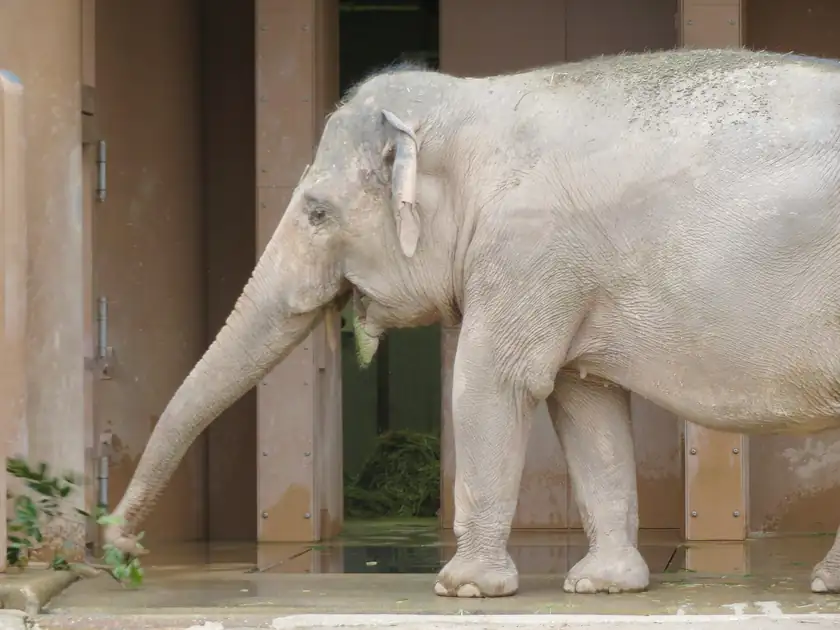
Denver Zoo elephant Duncan stomps a giant pumpkin
At the zoo's fall event, Asian elephant Duncan smashed a giant pumpkin the Deevy family donated, then took a bite.
Verified · CBS Colorado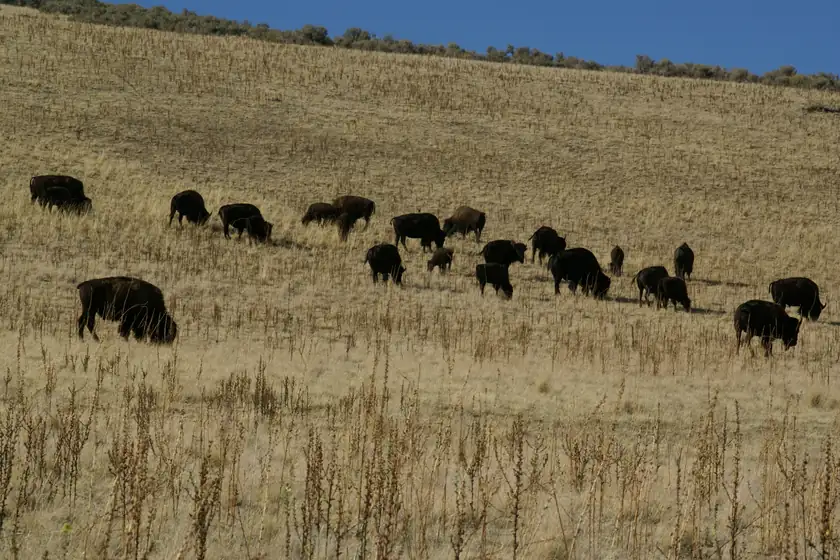 Animals
Hundreds of riders round up Antelope Island's bison for health checks
Volunteer riders, many of them returning with their families, helped move Antelope Island's bison into corrals so park staff could check the herd.
Verified · KSL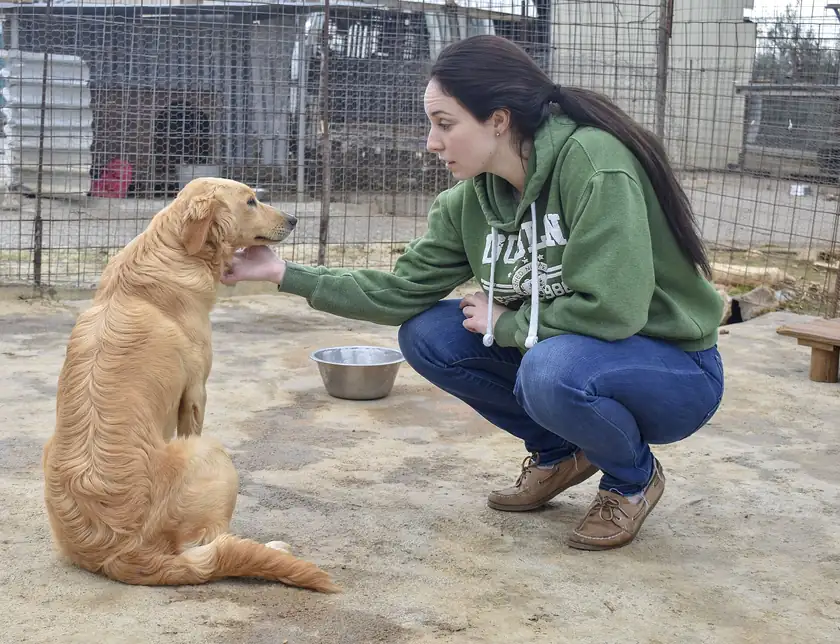 Animals
Shelter dog Donny goes home after 426 days
Cincinnati Animal CARE's longest-waiting dog was adopted after a stranger paid his fee and others added a crate, a collar, and money for training.
Verified · WLWT