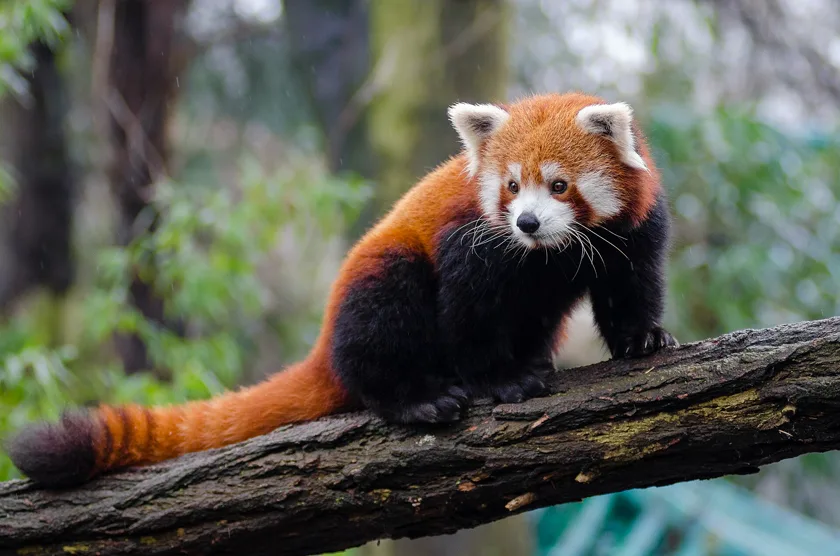
Gaurishankar's rangers are mapping where red pandas still live
Radio Nepal reported that staff in Dolakha, Ramechhap, and Sindhupalchok are tracking scat, footprints, and camera traps while a firm population count is still unfinished.

Read the original
The reporting lives at Radio Nepal. Our summary is checked against it, and we link it on every story.
Rangers in Nepal's Gaurishankar Conservation Area are treating red pandas as a species they can still map, even without a finished head count. Radio Nepal reported on October 16, 2026, from Dolakha that the animals are present in Dolakha, Ramechhap, and Sindhupalchok, and that the exact number is not yet known.
Office chief Santosh Sherchan called the red panda a small protected animal and said looking after it is both a duty and a responsibility. The work under way includes habitat protection, ponds for water, surveys of scat, footprints, and fur, a red panda park, camera traps, and the marking of pocket areas and trails. Conservation officer Bidur Khadka said the animals live between about 10 and 25 degrees Celsius and from 2,200 to 4,800 meters, in dense bamboo and nigalo. Adults are about 40 to 64 centimeters long and around 5 kilograms. Local people told the station that when bamboo shoots, a panda sometimes comes near a settlement.
Named spots include Khare-Sothali, Marbu, and the Rolwaling villages in Dolakha, Chuchure and Gumdel in Ramechhap, and Ghorthali, Listi, and Tatopani in Sindhupalchok. Khadka said roads, poaching, and broken forest are the pressures. The office is studying a pocket area and trail on the Marbu-Chhorolpa route, running awareness sessions for schools, tourism workers, and walkers, and watching for snares. The report is a work plan and a set of known places. It is not a population estimate.
For the classroom
Radio Nepal reported on October 16, 2026, that red pandas live in Nepal's Gaurishankar Conservation Area, in the districts of Dolakha, Ramechhap, and Sindhupalchok. Rangers do not yet know exactly how many there are. They look for droppings, footprints, and fur, and they use camera traps. They are also building ponds so the animals can find water, and they talk with schools and people who walk the trails. Red pandas eat bamboo. They live high in cool forests, about 2,200 to 4,800 meters up. A full count is still ahead. The work now is finding where they are.
- How can rangers tell a red panda has been somewhere if they do not see it?
- Why does bamboo matter so much to a red panda?
- Where is Nepal, and what is a conservation area?
For a teacher to read with a class. Print the story of the day · All classroom stories
More good news
Other stories in the same neighborhood of kindness.
 Animals
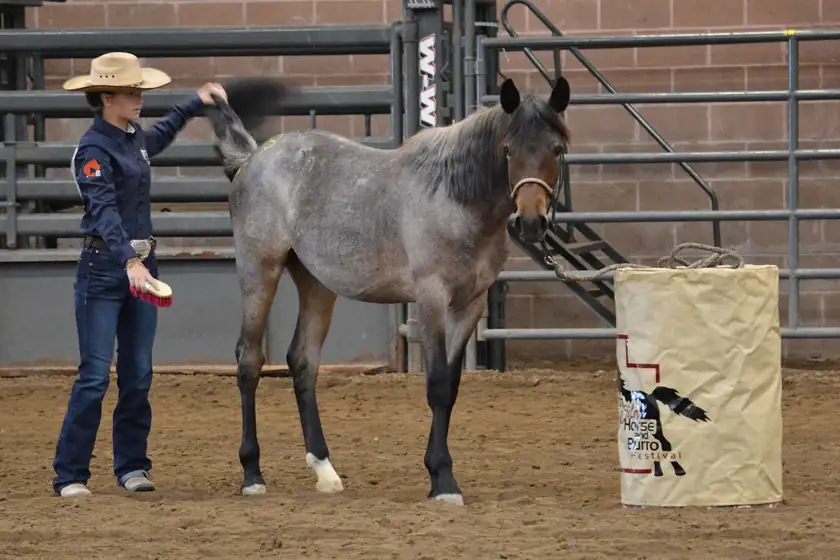
Special Olympics athletes spent a day with rescue horses
Special Olympics Kansas athletes joined Orion Ranch Sanctuary's second Boo Bash in Arcadia for a dance, lunch, games, and time with nearly 50 rescued horses.
Verified · KOAM Animals
A Bonduel coffee shop closed so the staff could help a sanctuary
The Mill in Bonduel shut for a day so its workers, many of them high school students, could volunteer at Happily Ever After animal sanctuary in Green Bay.
Verified · WBAY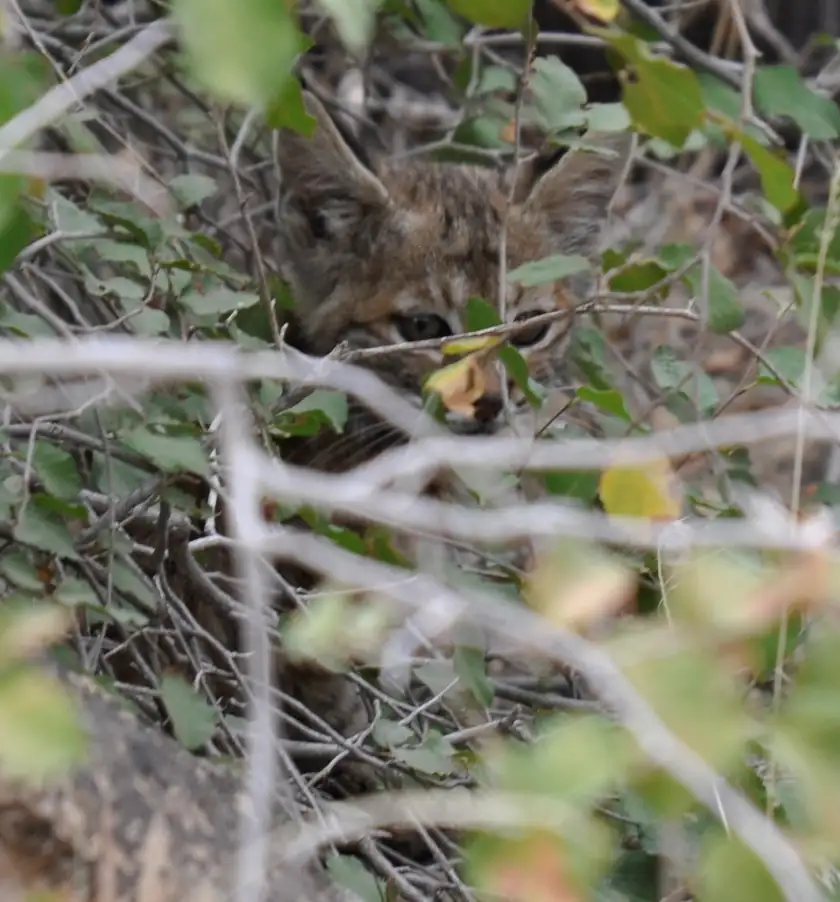 Animals
Two late-season bobcat kittens are in round-the-clock care
Two bobcat kittens found after their den was disturbed near Chatham are being bottle-fed around the clock at the Southwest Virginia Wildlife Center in Roanoke.
Verified · WSLS