Colorado State uses AI to warn of hail hours earlier
NSF-backed researchers at Colorado State, working with NVIDIA, built models that look for hail sooner: about two to three hours with Hail-StormScope, and one to eight days with CSU-MLP.


Read the original
The reporting lives at Colorado State University. Our summary is checked against it, and we link it on every story.
Colorado State University researchers, working with NVIDIA on a project backed by the National Science Foundation, have built artificial-intelligence models that look for hail sooner than a typical warning, the university reported. Hail-StormScope already offers about two to three hours of lead time. Many hail warnings today arrive with 30 minutes or less. A second model, CSU-MLP, looks further out, from one to eight days ahead.
The extra hours are the useful part. Hail can dent roofs and cars, and it can ruin a crop, before a short-notice warning gives anyone time to act. The university describes tools that extend the watch. It does not claim every storm will be called perfectly. Forecasters still decide what reaches the public.
For the classroom
Researchers at Colorado State University in Fort Collins are teaching computers to notice hail sooner. One model, Hail-StormScope, can give about two or three hours of warning. Many hail warnings today arrive with 30 minutes or less. A second model, CSU-MLP, looks from one day to eight days ahead. The scientists built the tools with NVIDIA, and the National Science Foundation supported the work. More warning time can help people move cars and get inside before ice starts falling. The models help forecasters look earlier. They do not catch every storm perfectly.
- Why does an extra hour of warning matter when hail is coming?
- What is one thing a family could do with two hours of notice?
- Why would a forecast still need a person to decide what to tell the public?
For a teacher to read with a class. Print the story of the day · All classroom stories
More good news
Other stories in the same neighborhood of kindness.
 Science
Jefferson County students showed NASA mentors the hardware they are building
The district is one of three in the country named a NASA HUNCH Center of Excellence. Students design hardware for the space station and Artemis, and some of their work has already flown.
Verified · CBS Colorado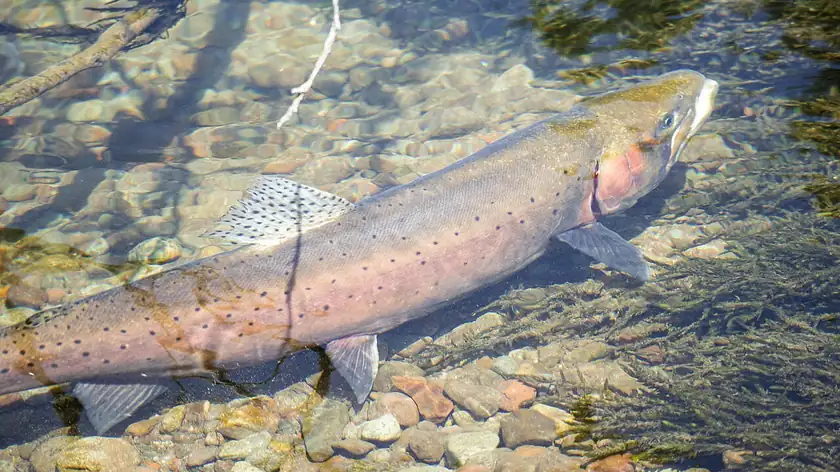 Science
A restored Butcherknife Creek is now an outdoor classroom
A charitable trust and local fly fishers restored trout habitat beside Strawberry Park Elementary, and older students are already using the creek.
Verified · Steamboat Pilot & Today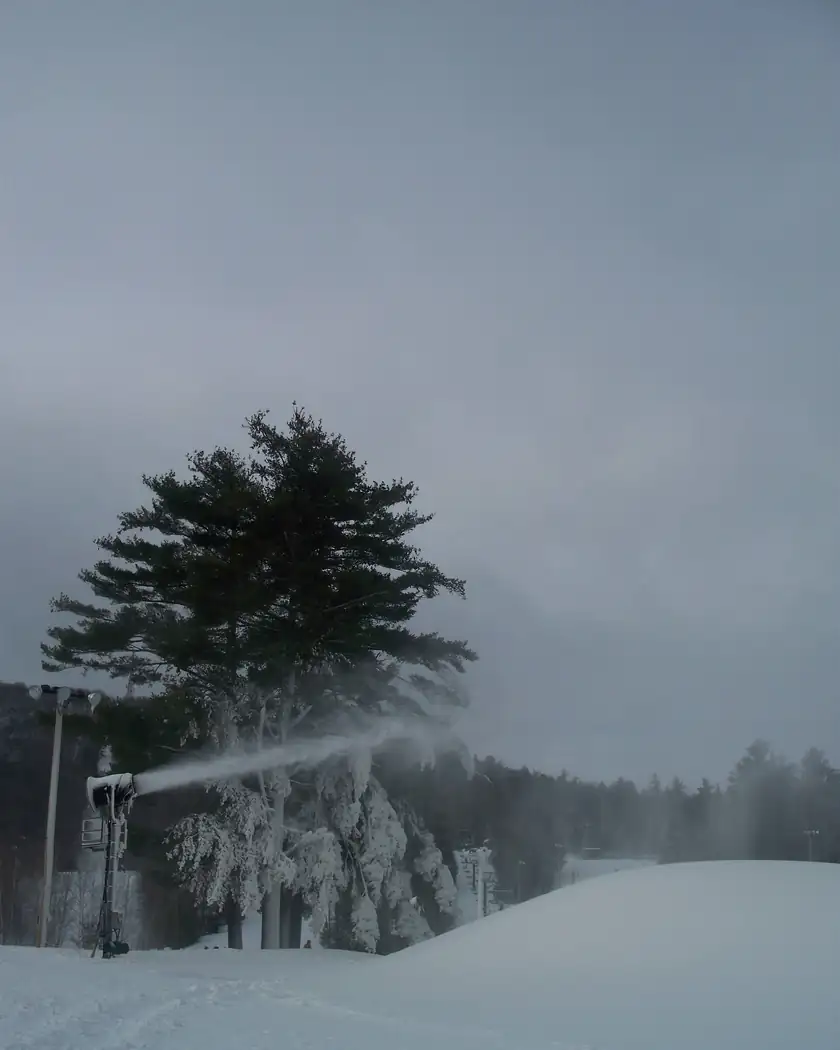 Science
Aspen Snowmass kept about 85% of stored snow through a hot summer
Insulated blankets held spring snow piles at Snowmass and Buttermilk. The resort says that saved snow would have taken about 3.5 million gallons of water to make.
Verified · The Colorado Sun