Two captive-bred great Indian bustards walked into the desert
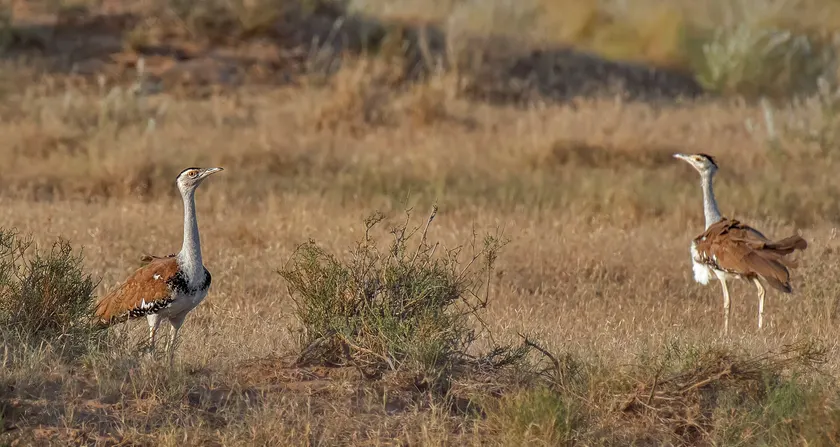
On October 4, wildlife officials and scientists released two young males at Sam in Desert National Park. They are the first captive-bred birds the recovery program has put back into the wild.

Read the original
The reporting lives at The Times of India. Our summary is checked against it, and we link it on every story.
Two captive-bred male great Indian bustards were released on October 4, 2026, at Sam in Desert National Park, near Jaisalmer. The Times of India reported that the birds, about seven months old and fitted with satellite tags, flew after the covers came off their eyes. The Indian Express put the wild population at about 150 birds. This was the first release of captive-bred males from India's bustard recovery program.
The Press Information Bureau said the centers at Sam and Ramdevra then held 97 birds, 40 from wild-laid eggs and 57 bred in captivity, with 11 marked for release. Captive pairs produced 24 live chicks in 2025 and 29 in 2026. A separate "jumpstart" method, placing captive-laid eggs in wild nests, has hatched six chicks in Rajasthan and two in Gujarat. About 200 square kilometers of fenced grassland inside the park are being kept as breeding habitat. The two males are a pilot. Officials said their movements will be used to adjust the rules for later releases, not as proof that the wild population has recovered.
For the classroom
Great Indian bustards are tall birds of open grassland, and very few are left in the wild. For nearly a decade, scientists in Rajasthan have been hatching and raising them at two centers near Jaisalmer. On October 4, 2026, they opened a pen at Sam, inside Desert National Park, and two young males stepped out. The Times of India reported that each bird was about seven months old and wore a satellite tag. Researchers will watch where the birds go and what they eat before more bustards are released. This was the first time the project let captive-bred males go free.
- Why did the scientists wait years before releasing any bustards?
- What can a satellite tag tell people about a bird?
- What kind of habitat does a grassland bird need?
For a teacher to read with a class. Print the story of the day · All classroom stories
More good news
Other stories in the same neighborhood of kindness.
 Community
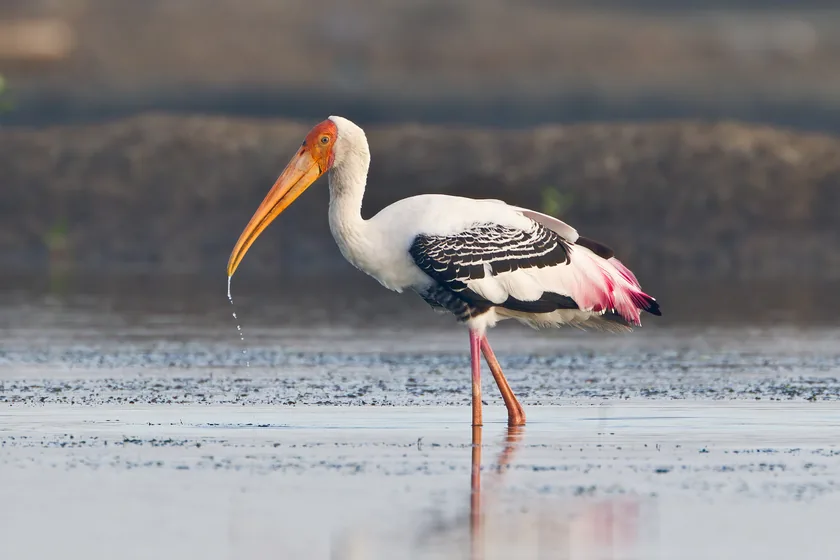
Women trained as Golden Wings guides at Vedanthangal
Care Earth Trust trained women and young people in birds, wetlands, and guiding. Eight of them now lead walks at the sanctuary as Golden Wings.
Verified · The Hindu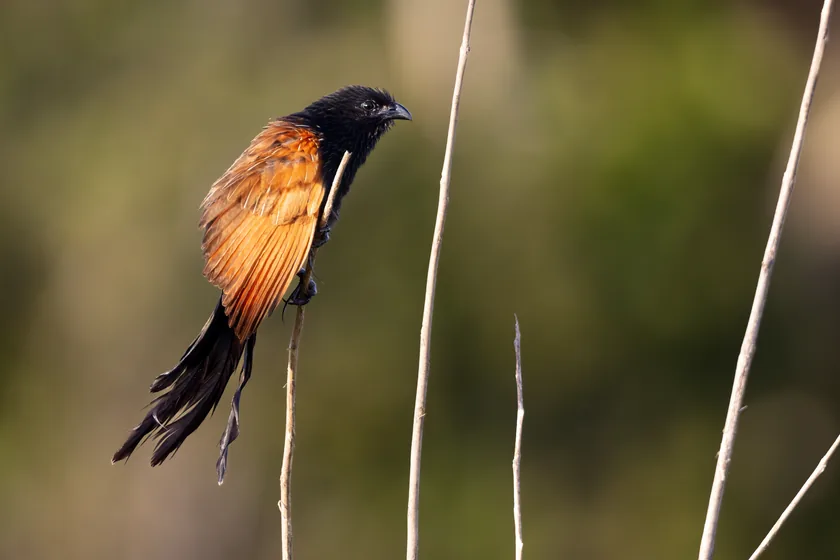 Community
A rainy wetland walk in Palakkad recorded about 30 bird species
Fifty-three people walked 2.5 kilometers through the Chendamangalam wetlands and Kunnampara Biodiversity Park and noted a lesser coucal among the birds.
Verified · The Hindu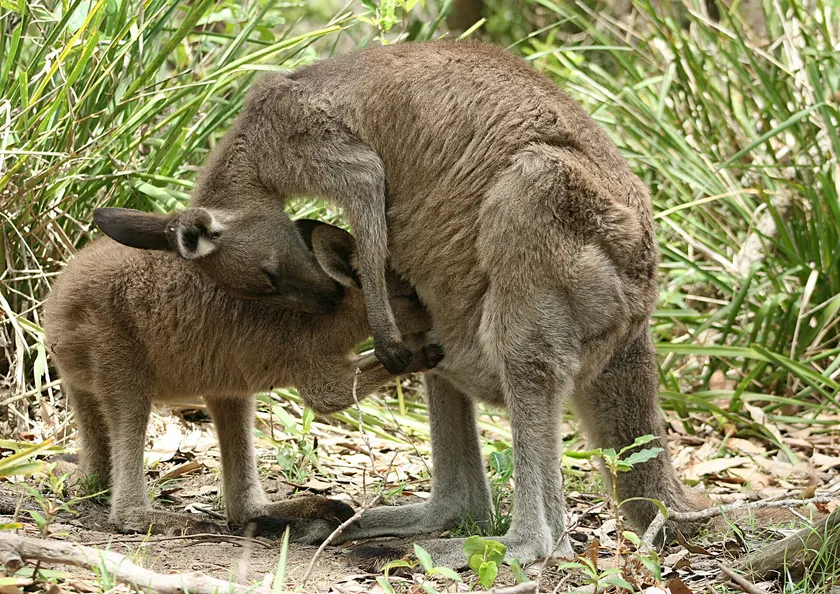 Animals
A kangaroo three kilometers offshore was lifted onto a boat
A crew in Boston Bay, off Port Lincoln, found a male kangaroo in the water, brought him onto the boat, and later watched him hop away from the beach.
Verified · ABC