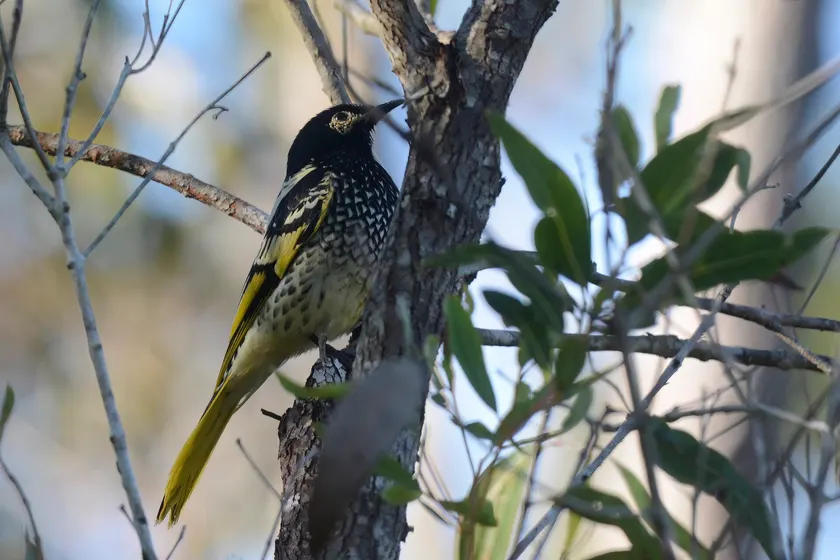
Forty-six regent honeyeaters were released near Kurri Kurri
Zoo-bred birds, tutored with wild song before they left the aviary, are now in woodland on Wonnarua Country.

Read the original
The reporting lives at Newcastle Herald. Our summary is checked against it, and we link it on every story.
Forty-six zoo-bred regent honeyeaters were released into woodland near Kurri Kurri. The Newcastle Herald reported the release on October 18, 2026. The species is critically endangered. About 300 birds are thought to remain in the wild. They once ranged from around Adelaide to north of Brisbane. Breeding is now probably limited to New South Wales, centered on the greater Blue Mountains.
This is the fifth year of releases on Wonnarua Country. Tara Dever, chief executive of the Mindaribba Local Aboriginal Land Council, welcomed the birds home and said they are living in the wild with no roof over them. Before they left, the honeyeaters were tutored with recordings of wild song and kept in aviaries with other species so the woodland would not be a first encounter. Mick Roderick, a recovery adviser at BirdLife Australia, said the site was chosen for its trees and its food. BirdLife will keep watching. Anyone who sees a banded bird is asked to report it. The release is a partnership of the Mindaribba council, the New South Wales environment department, BirdLife Australia, and Taronga.
For the classroom
The Newcastle Herald reported that 46 zoo-bred regent honeyeaters were released near Kurri Kurri, on Wonnarua Country. These black-and-yellow birds are critically endangered, and only a few hundred are thought to live in the wild. Before the release, keepers played songs of wild honeyeaters so the young birds could learn them. People can help by reporting a bird that still wears a leg band.
- Why would a young bird need to hear a wild song before it is released?
- What can a leg band tell a scientist who sees the bird later?
- Why does it matter that the release happened on Wonnarua Country?
For a teacher to read with a class. Print the story of the day · All classroom stories
More good news
Other stories in the same neighborhood of kindness.
 Animals
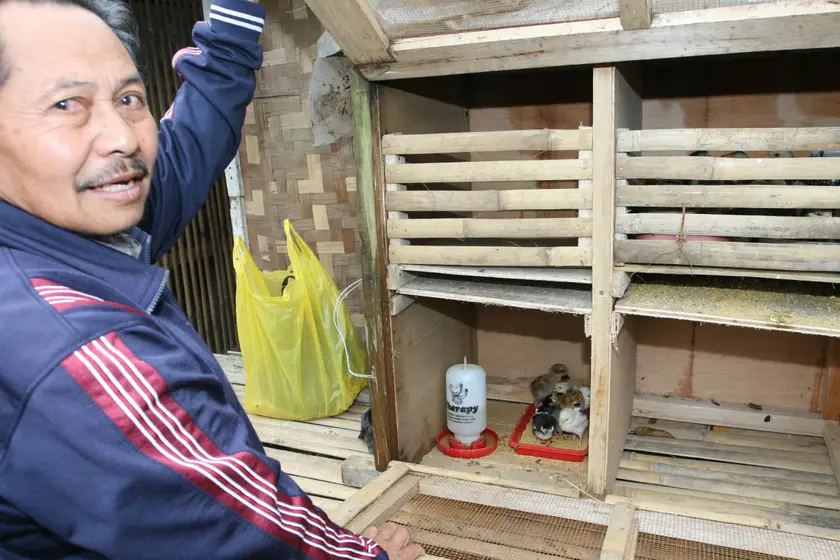
A Mullumbimby weekend found homes for hundreds of former battery hens
Who Gives a Cluck paired 247 hens with adopters in Mullumbimby. Birds that failed a health check went to care, not back to the farm.
Verified · ABC News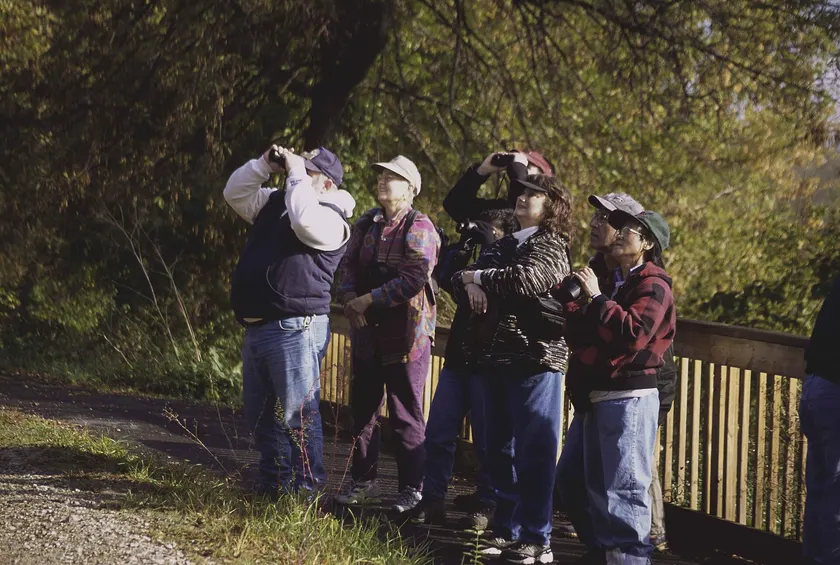 Animals
Australia's bird count passed 3.7 million birds, with room to keep going
The 2026 Aussie Bird Count was already ahead of last year's pace, and a Wollongong class spent its 20 minutes beside a creek full of frogmouths and parrots.
Verified · The Guardian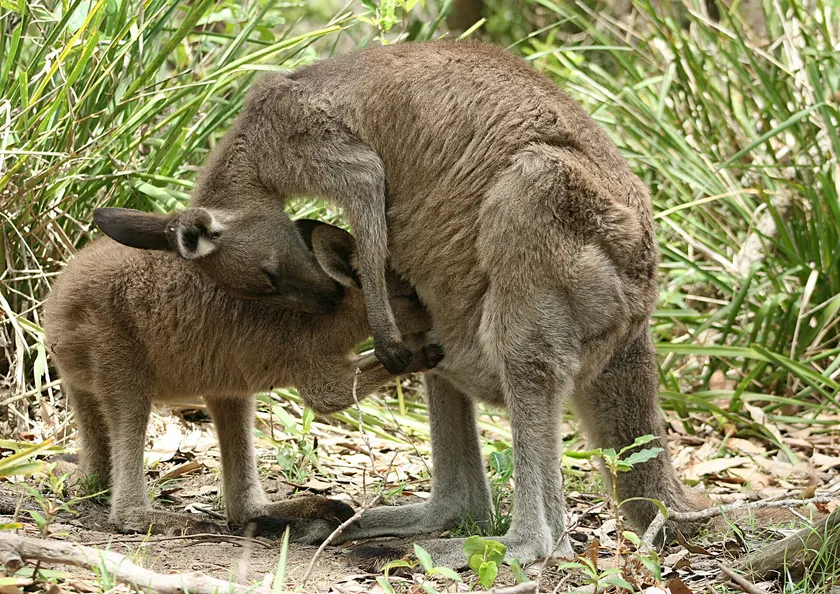 Animals
A kangaroo three kilometers offshore was lifted onto a boat
A crew in Boston Bay, off Port Lincoln, found a male kangaroo in the water, brought him onto the boat, and later watched him hop away from the beach.
Verified · ABC