Island volunteers helped uncover an early monastery on Lismore
A community-funded excavation at the cathedral found burials, craft debris, and signs of precious-metal work from the early medieval period.

Read the original
The reporting lives at Good News Network. Our summary is checked against it, and we link it on every story.
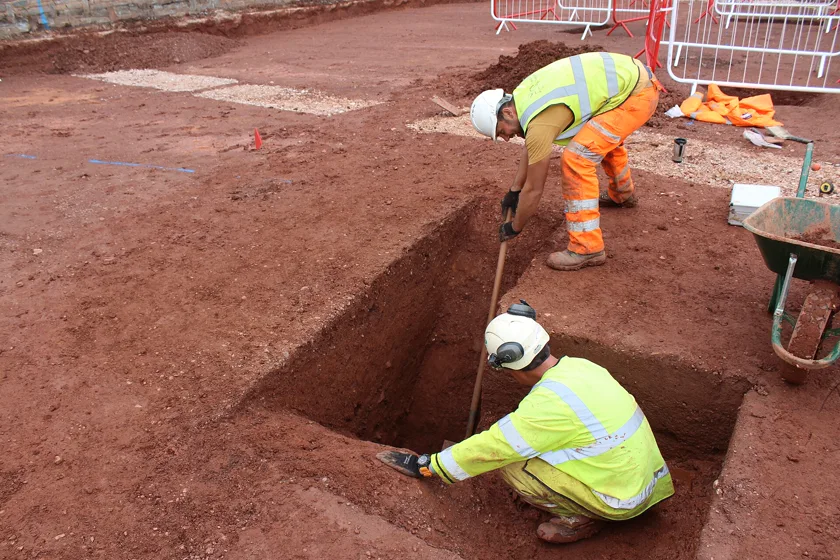
A historical society on Lismore, an island of about 170 people in the Inner Hebrides, hired archaeologists and helped fund a dig that has changed the picture of an early monastery. Good News Network reported on October 26, 2026, on research published in the journal Antiquity.
Clare Ellis of Argyll Archaeology, who led the excavation for the Lismore Historical Society, said Lios Mòr was known from records, place names, and local tradition, but hardly from archaeology. The question was whether the later medieval cathedral stood on the monastery St Mo Luóc founded in the sixth century, and how large that settlement was.
Geophysical survey and trenches turned up burial grounds, high-status craft areas, and early buildings. Six burials dated between 650 and 1040 were found among fragments of carved stone crosses. Another area held handmade pottery, toolmaking debris, and an oval building with a limestone-paved floor. A third trench produced about 1,000 pieces of debris from precious-metal work, including small crucibles and molds for copper, silver, or gold. Co-author Gordon Noble, of the University of Aberdeen, said the site now looks like a center of worship, craft, and learning. Bob Hay, who organized funding and volunteers, said local people were central to the work. The paper describes a monastery that made things. It does not claim every object was finished on the island.
For the classroom
Good News Network reported on October 26, 2026, that people on Lismore, a small island in Scotland, helped pay for an archaeological dig. About 170 people live on the island. They wanted to know whether an old cathedral stood on the site of a monastery started in the 500s. Diggers found graves from about the years 650 to 1040, pieces of carved stone crosses, a building with a stone floor, pottery, and tools. They also found tiny pots and molds used to melt metal, maybe copper, silver, or gold. The finds suggest the monastery was a busy place for worship and making things.
- Why would neighbors help pay for a dig on their own island?
- What clues tell archaeologists that people made metal objects?
- Where are the Inner Hebrides, and why is an island a hard place to excavate?
For a teacher to read with a class. Print the story of the day · All classroom stories
More good news
Other stories in the same neighborhood of kindness.
 Community
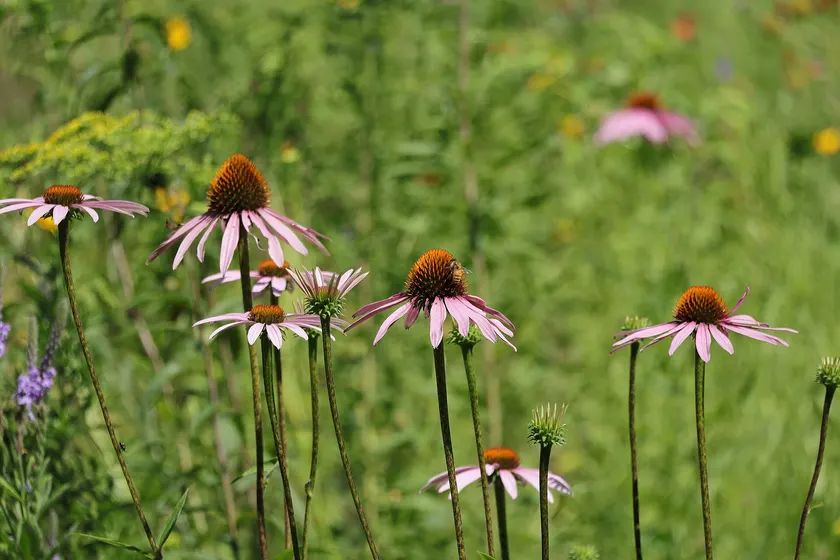
Volunteers planted hundreds of wildflower plugs at a King's Lynn recreation ground
Staff and the Nature Volunteer Network put native flowers into Fairstead Recreation Ground, a next step after green hay was spread there earlier this year.
Verified · BBC Community
A Thames Valley project is raising money to plant rare black poplars
About 50 black poplars are on record in Oxfordshire. A Swindon-to-Oxford effort wants DNA tests, cuttings, and new trees. The cuttings are not in the ground yet.
Verified · BBC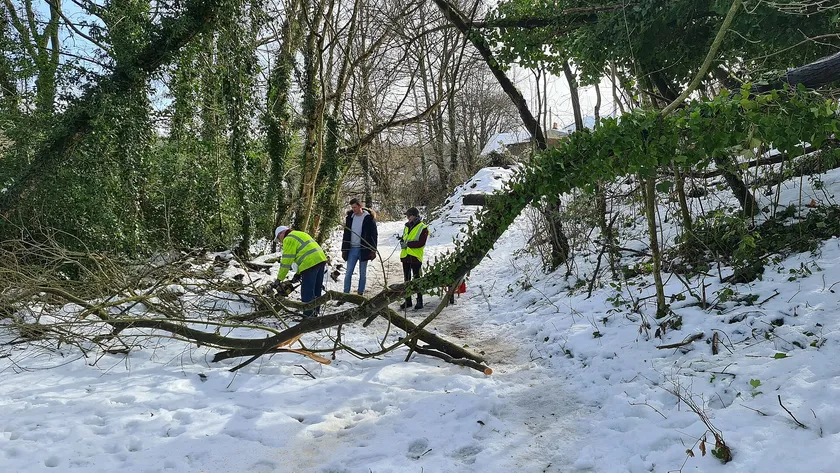 Community
Neighbors spent two days opening up a choked woodland in Greenham
Volunteers cut rhododendron and cherry laurel from an eight-acre wood near Newbury so light can reach the ground again.
Verified · BBC