London volunteers grew and planted more than 1,000 tower mustard plants
A first-year project led by Citizen Zoo and Habitats & Heritage put the rare white-flowered herb back at commons and heaths where it had nearly disappeared.

Read the original
The reporting lives at BBC. Our summary is checked against it, and we link it on every story.
Volunteers in London grew more than 1,000 tower mustard plants and put them back on the ground. BBC reported on October 19, 2026, that the first year of a project led by Citizen Zoo and Habitats & Heritage had moved the rare native herb out of pots and onto sites where it used to grow.
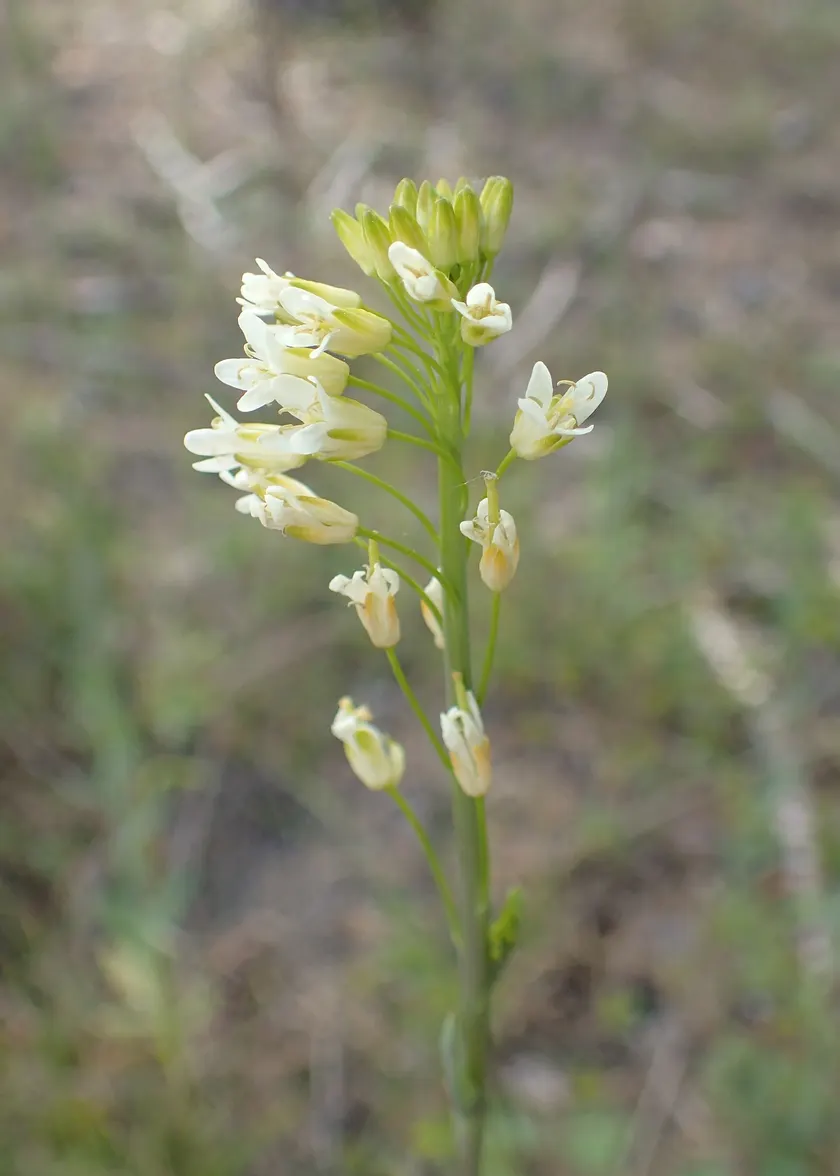
Tower mustard, Turritis glabra, can reach about a metre and carries small white flowers that feed bees, butterflies, and rare moths. It is near threatened in Great Britain and endangered in England, and it is thought to survive at about 30 sites in the country. In London it had been down to two places: Lesnes Abbey Woods in Bexley and Stain Hill Reservoir in Richmond upon Thames. Seed for the project came from those populations.
In March, Mighty Mustard volunteers learned to sow the tiny seeds and went home with pots, trays, and soil. Plants are now in at Wimbledon Common, Hounslow Heath, Lesnes Abbey Woods, and Barnes Common. BBC said a final planting day was set for Hampton Court Palace's Home Park, using plants raised by the Historic Royal Palaces garden team and by volunteers. Charlotte Harris of Habitats & Heritage said the growers had become attached to the plants. Elliot Newton of Citizen Zoo said London has lost 185 plant species in recent history, and that small projects are part of keeping what remains. The funding comes from the Greater London Authority's Green Roots Fund and from Thames Water. A first successful year is not the same as a recovered population, and the groups are treating the method as something they hope to repeat for other rare plants.
For the classroom
BBC reported on October 19, 2026, that volunteers in London grew and planted more than 1,000 tower mustard plants. Tower mustard is a tall wildflower with small white blooms. Bees, butterflies, and some moths use it. It had survived in only two places in the city, Lesnes Abbey Woods and a reservoir in Richmond. In March, volunteers learned how to sow the tiny seeds at home. The young plants then went to Wimbledon Common, Hounslow Heath, Lesnes Abbey Woods, and Barnes Common. A last planting day was set for the grounds of Hampton Court Palace. The project is a first year, not a promise that the plant is safe forever.
- Why would a rare plant need people to grow it in pots before it goes back outside?
- What do bees and butterflies get from a flower like tower mustard?
- Where could your class grow a native flower that insects already use?
For a teacher to read with a class. Print the story of the day · All classroom stories
More good news
Other stories in the same neighborhood of kindness.
 Community
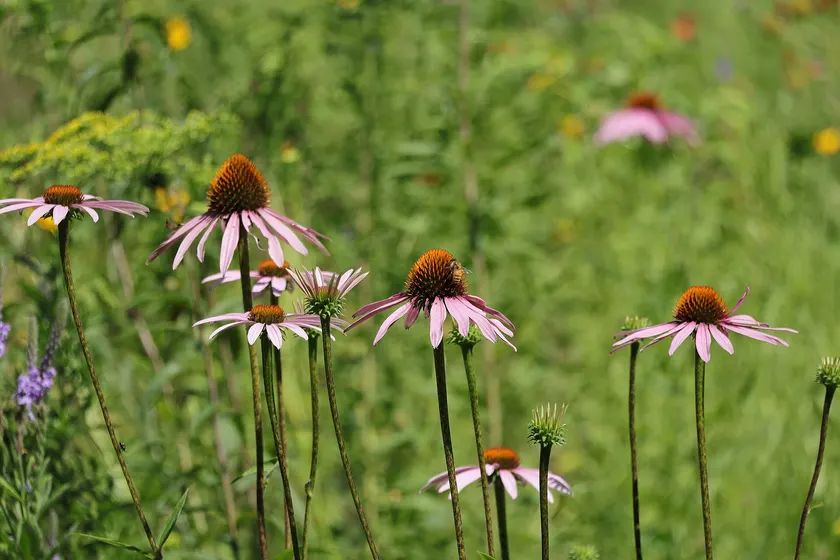
Volunteers planted hundreds of wildflower plugs at a King's Lynn recreation ground
Staff and the Nature Volunteer Network put native flowers into Fairstead Recreation Ground, a next step after green hay was spread there earlier this year.
Verified · BBC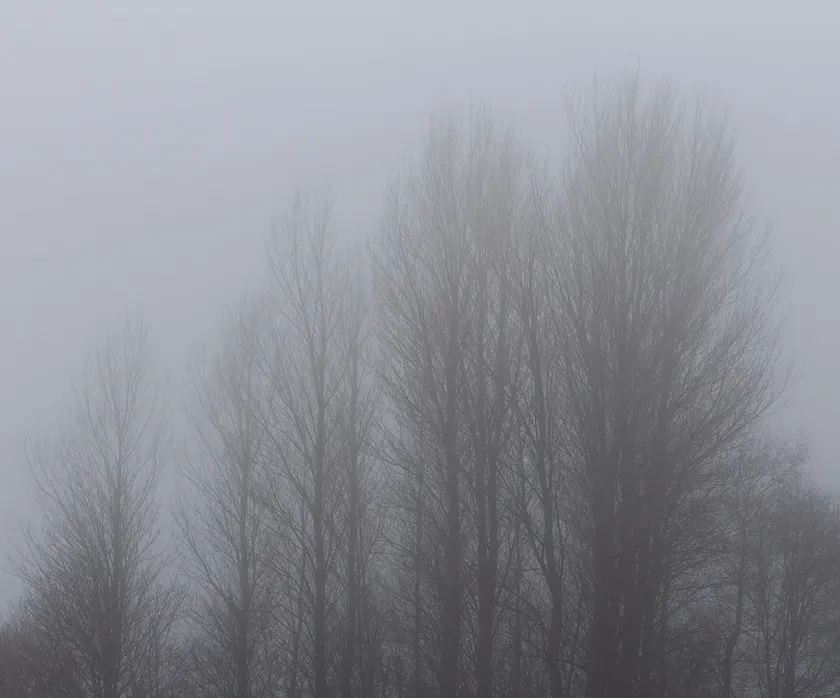 Community
A Thames Valley project is raising money to plant rare black poplars
About 50 black poplars are on record in Oxfordshire. A Swindon-to-Oxford effort wants DNA tests, cuttings, and new trees. The cuttings are not in the ground yet.
Verified · BBC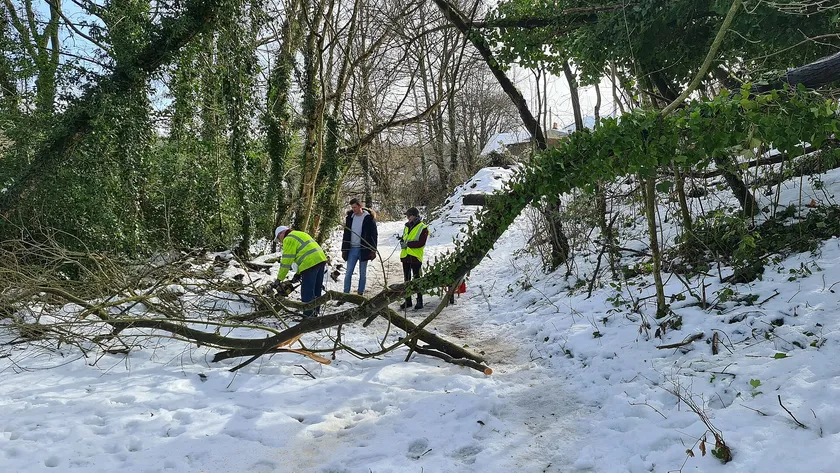 Community
Neighbors spent two days opening up a choked woodland in Greenham
Volunteers cut rhododendron and cherry laurel from an eight-acre wood near Newbury so light can reach the ground again.
Verified · BBC