Sydney students and Wiradjuri owners recorded six more grinding sites near Lue
Eleven undergraduates spent late September with traditional owners on a property near Mudgee, mapping axe-grinding grooves and artefacts already thick on the ground.

Read the original
The reporting lives at ABC News. Our summary is checked against it, and we link it on every story.
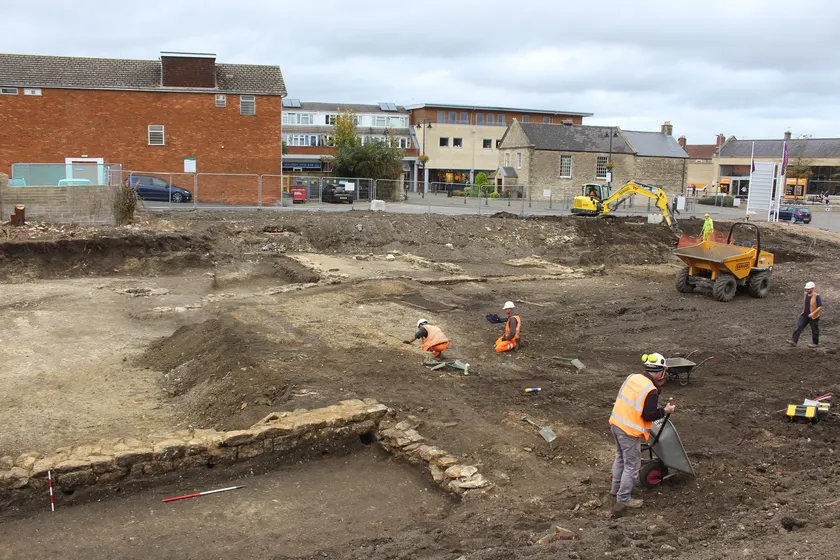
Eleven University of Sydney archaeology students spent late September on a property near Lue with Wiradjuri traditional owners, and they came away with six grinding sites that had not been on the map. ABC News reported the work on October 28, 2026.
Gamilaraay archaeologist Wayne Brennan, who has worked in the field for more than 40 years, brought the group together. He said the point was to walk side by side, with Aboriginal people deciding what questions matter, rather than treating a visit as a box to tick. The students looked at axe-grinding grooves and rock art and sieved for artefacts. Brennan said thousands of pieces sit close together. The village name comes from Loowee, a Wiradjuri word for a chain of waterholes, and the creeks and the road toward ceremony in the Great Dividing Range made the valley a stopping place for a very long time.
The traditional owners on the trip chose not to be quoted and agreed that Brennan would speak. Student Clem Dalton, on a first field trip, told the ABC that finding artefacts felt like an adrenaline rush. University researcher Jacob Bongers, who helped organize the day, said a place with this much rock art and grinding grooves is rare for a class, and that any return depends on the community's permission. The six sites are new records. They are not a claim that the valley has been fully surveyed.
For the classroom
ABC News reported that 11 archaeology students from the University of Sydney worked with Wiradjuri traditional owners near Lue, west of Mudgee, in late September 2026. They studied axe-grinding grooves, rock art, and artefacts, and recorded six more grinding sites. The name Lue comes from a Wiradjuri word for a chain of waterholes. Archaeologist Wayne Brennan said people stopped there for water on the way to ceremony in the mountains, which is why so many artefacts sit close together. The traditional owners chose not to be quoted. The team hopes to return if the community asks them. The six sites are a better map, not a finished history of the valley.
- Why does it matter that traditional owners were there while the students recorded the sites?
- What does the name Lue tell you about why people stopped in that valley?
- How could a class learn a local place name and what it means?
For a teacher to read with a class. Print the story of the day · All classroom stories
More good news
Other stories in the same neighborhood of kindness.
 Community
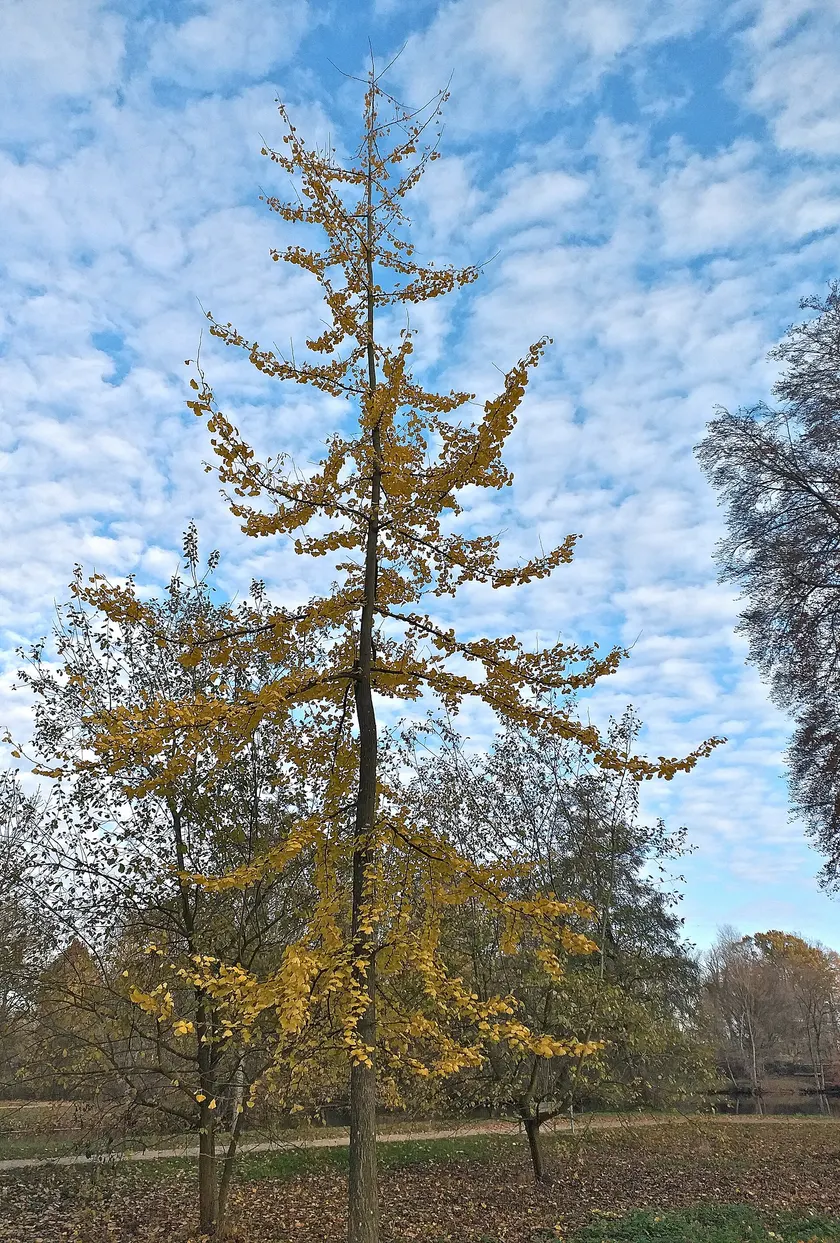
A 167-year-old ginkgo in Geelong was voted Victoria's tree of the year
The National Trust said the botanic-garden tree, planted in 1859 and about 20 metres tall, took nearly a third of the votes.
Verified · ABC News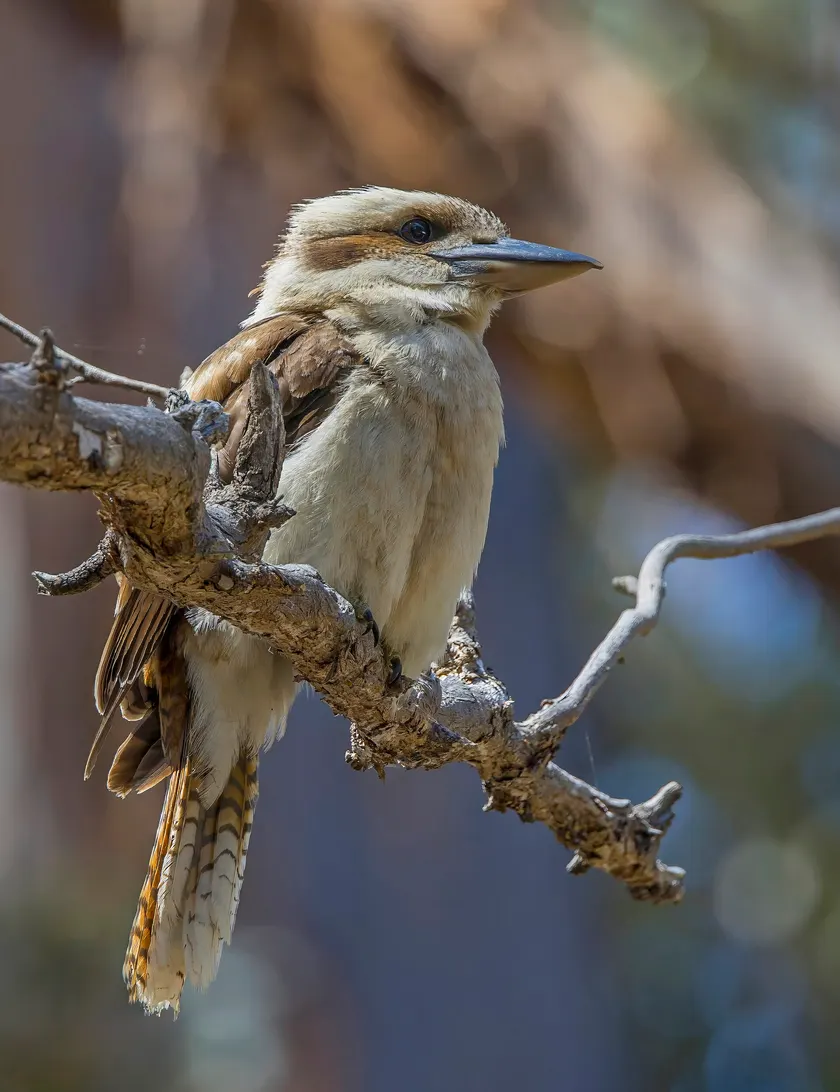 Community
Forty students called like kookaburras at the Bournda Bird Olympics
Tathra Public School won the ninth Bournda Bird Olympics in Merimbula, where children mimicked native birds and a Snowy Mountains school of 13 made the trip to cheer.
Verified · ABC News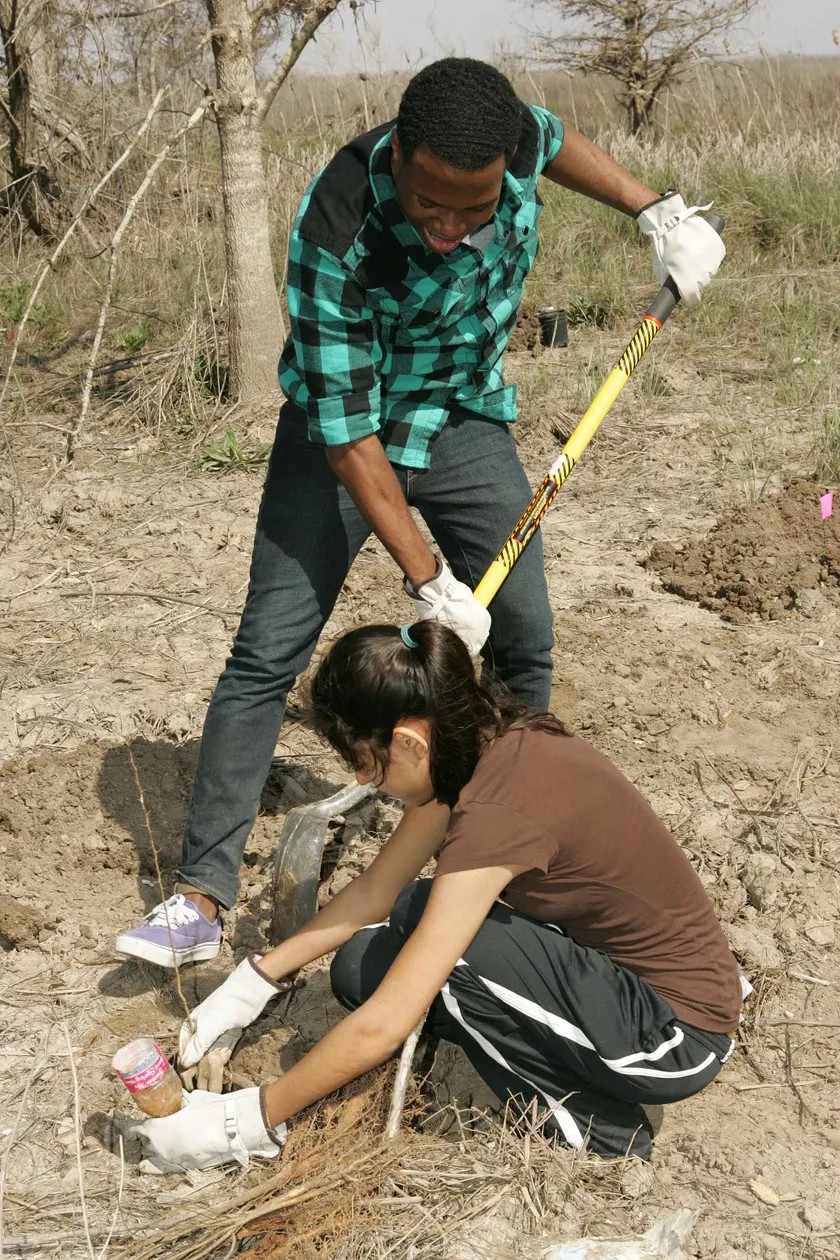 Community
Year 4 students in Broulee planted about 1,000 native plants for a school microforest
St Peter's Anglican College spent a week turning a bare patch of playground into the start of a coastal rainforest, the first New South Wales school to build a microforest into the curriculum with Microforest Collective.
Verified · ABC News