Birds are nesting again on Nu'utele after rats and pigs were removed
A year of fieldwork on the Samoan island was followed by new dove nests, a starling nest, and seedlings on the forest floor.

Read the original
The reporting lives at Good News Network. Our summary is checked against it, and we link it on every story.
Forests on Nu'utele Island in Samoa are putting out seedlings, and native birds are nesting, after rats and feral pigs were removed. Good News Network reported the update on October 22, 2026, from an Island Conservation account of the work.
The island is a key biodiversity area, and one of the country's more intact native forests. Pigs had been turning the soil so plants could not get established, and rats take eggs and chicks. Samoa's Ministry of Natural Resources and Environment, the Pacific Regional Invasive Species Management Support Service, landowners, and people from nearby Aleipata did the removal with Island Conservation and the Secretariat of the Pacific Regional Environment Programme. Between March 2025 and May 2026, teams made 12 expeditions and spent more than 130 days on the island's rough ground.
Paul Jacques, project manager for Island Conservation, said native seedlings were carpeting the floor, including knee-high seedlings where the forest had not been regenerating, and that people can now grow and harvest giant taro where crops had failed. A month after the animals were gone, researchers found several shy ground dove nests with eggs in bird's-nest ferns. Nu'utele holds the largest remaining population of that dove in Samoa. They also recorded a nest of the Samoan starling and breeding by the flycatcher and the whistler. A land crab not previously recorded on the island was found as well.
A translocation of the threatened mao, a Samoan forest bird, is planned as part of a 2032 target. That move has not happened. David Moverley of SPREP said the island shows forests, wildlife, and food plants responding when communities and agencies work from the same plan. Monitoring is continuing. The nests and seedlings are early signs, not a finished recovery.
For the classroom
Nu'utele is a small island in Samoa where rats and wild pigs had been damaging the forest. From March 2025 to May 2026, community members and conservation teams spent more than 130 days on 12 trips removing those animals. Good News Network reported what came next. Paul Jacques of Island Conservation said seedlings were covering the floor, some of them knee-high, and that people could grow giant taro again. Researchers found shy ground dove nests with eggs, a Samoan starling nest, and flycatchers and whistlers breeding. A move of the threatened mao bird is planned for 2032. It has not happened yet.
- Why can rats be such a problem for birds that nest near the ground?
- What changes when a forest floor is full of new seedlings?
- What is one thing a class could do about an animal that does not belong in a habitat?
For a teacher to read with a class. Print the story of the day · All classroom stories
More good news
Other stories in the same neighborhood of kindness.
 Animals
A Canterbury group is learning to free pigeons from tangled feet
Canterbury and Thanet Stringfoot Pigeons trained this month to remove string and hair from city birds without taking them from their flock.
Verified · BBC Animals
An Alabama ranch gives frightened horses a second chance
Tyler Isenmann's Best Chance Ranch, in the Birmingham area, rehabilitates horses that were neglected or headed for slaughter and then finds them homes.
Verified · ABC 33/40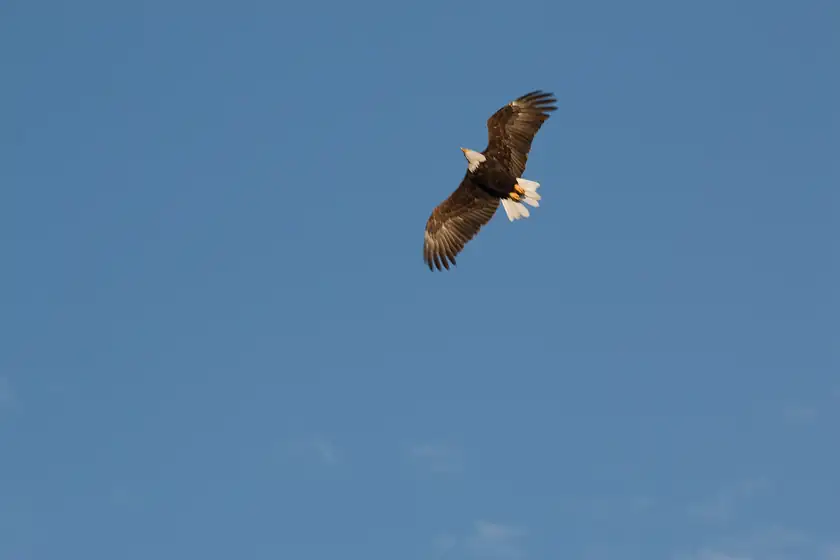 Animals
Bald eagle Ursa flies free, with the trooper who found her watching
Tamarack Wildlife Center released a young eagle that fell from her nest in June. After four months of care, the trooper who found her watched her go.
Verified · Erie News Now