Onion Lake's no-till garden grew more than 1,300 kilograms of food
A prairie garden that skipped tilling, fertilizer, and most of the watering produced potatoes, carrots, and more for food banks, a healing lodge, and students who dug the crop.

Read the original
The reporting lives at CBC News. Our summary is checked against it, and we link it on every story.
A no-till garden on Onion Lake Cree Nation produced more than 1,300 kilograms of vegetables this year. CBC News reported on October 7, 2026, that the food went to community members and to local organizations, including two food banks. The harvest included potatoes, carrots, onions, tomatoes, zucchini, and cauliflower. Onion Lake is about 280 kilometres northwest of Saskatoon, near the Alberta border.
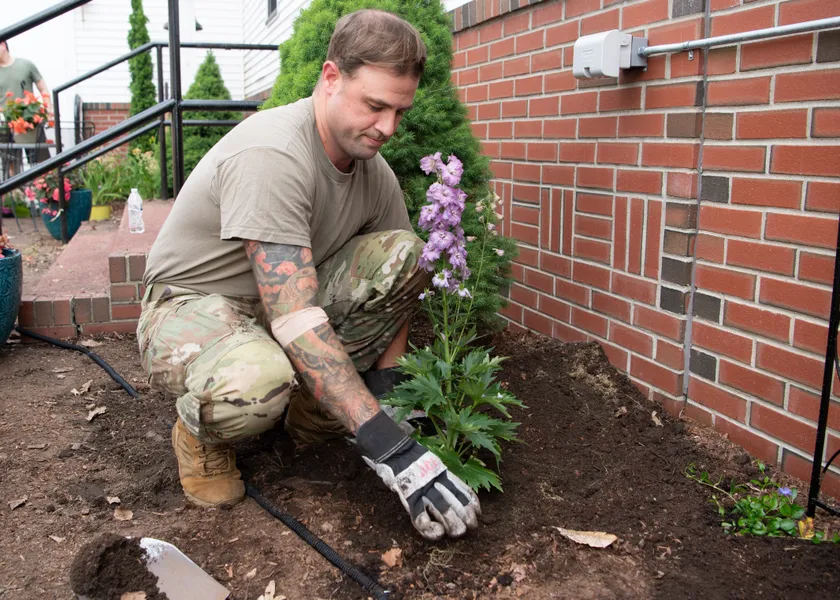
Dietitians Ashley DeBusschere and Alicia Oliver had a smaller teaching garden by the high school. This year the lands manager asked them to take on a larger plot aimed at root vegetables. Older gardens had been hard to keep up, between tilling, watering, and weeds such as quack grass. Oliver took a two-hour online course from the University of Saskatchewan on no-till gardening and argued for switching. DeBusschere said the new beds held water, needed hardly any watering, and were grown without fertilizers or pesticides.
Students from Sakāskohc High School spent an afternoon digging potatoes. Commercial cooking teacher Marly Chocan said they worked as a team, logged volunteer hours, and each took a bag of potatoes home. Clients at Ekweskeet Healing Lodge also helped and, staff said, liked telling people they had grown the food. The figure is this year's harvest. CBC did not report a plan's worth of next year's yield, only that people on the garden want another season.
For the classroom
A community garden on Onion Lake Cree Nation grew more than 1,300 kilograms of food this year. CBC News reported the harvest on October 7, 2026. The beds were no-till, so the soil was not dug over again and again. The garden needed little watering and no fertilizer or pesticides. The harvest included potatoes, carrots, onions, tomatoes, zucchini, and cauliflower. Students from Sakāskohc High School spent an afternoon digging potatoes, and each one took a bag home. Food also went to two food banks and to a healing lodge. The number is what this garden grew. It is not a promise about next year.
- What is different about a no-till garden?
- Who got to eat the food, and who helped dig it?
- What could your class grow that people nearby could share?
For a teacher to read with a class. Print the story of the day · All classroom stories
Community gardensIndigenous communitiesFarmingStudentsFood banks
More good news
Other stories in the same neighborhood of kindness.
 Community
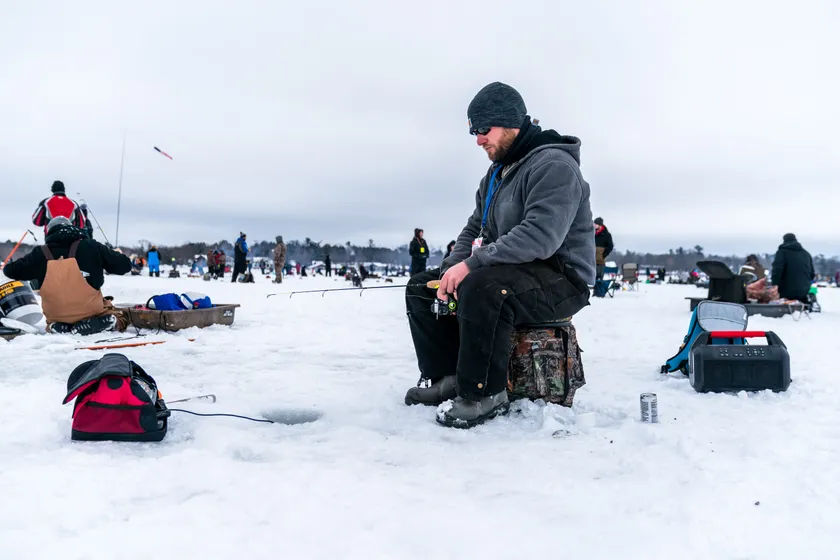
Kedgwick's little library lends fishing rods and fills produce bags
The 200-square-metre library in northern New Brunswick stocks ice-fishing gear, runs a monthly produce program, and lets third graders grow the garden beside the building.
Verified · CBC News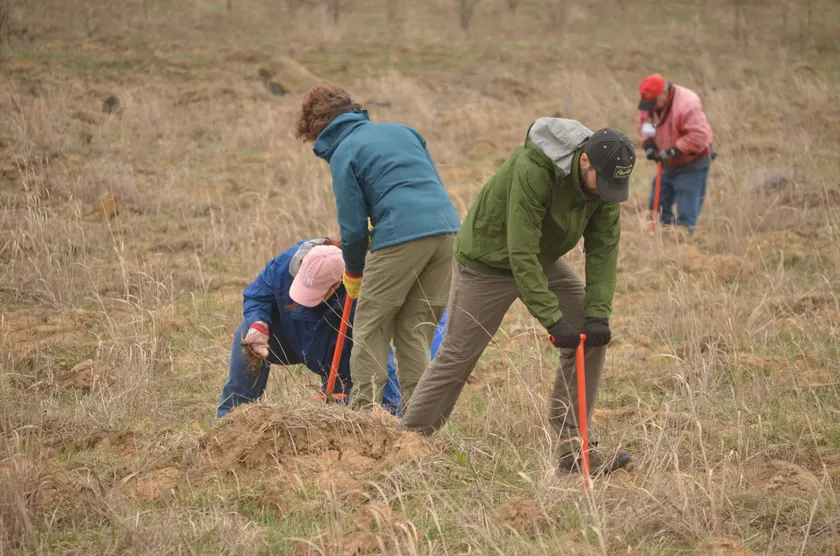 Community
Volunteers planted more than 500 trees at Tynehead Regional Park
The fifth annual planting at the Surrey park added native trees and shrubs along Highway 1, part of a month of volunteer plantings across Metro Vancouver parks.
Verified · CBC Community
About 280 neighbors passed 7,400 books down an Ottawa sidewalk
Volunteers formed two lines on Wellington Street West and moved The Spaniel's Tale, book by book, into a shop more than twice as big.
Verified · CBC News