Pamarawan built a shore defense from bamboo, shells, and husks
Mongabay reported that the fishing village on Manila Bay no longer floods the way it did after a project that skipped concrete and used materials people already had.

Read the original
The reporting lives at Mongabay. Our summary is checked against it, and we link it on every story.
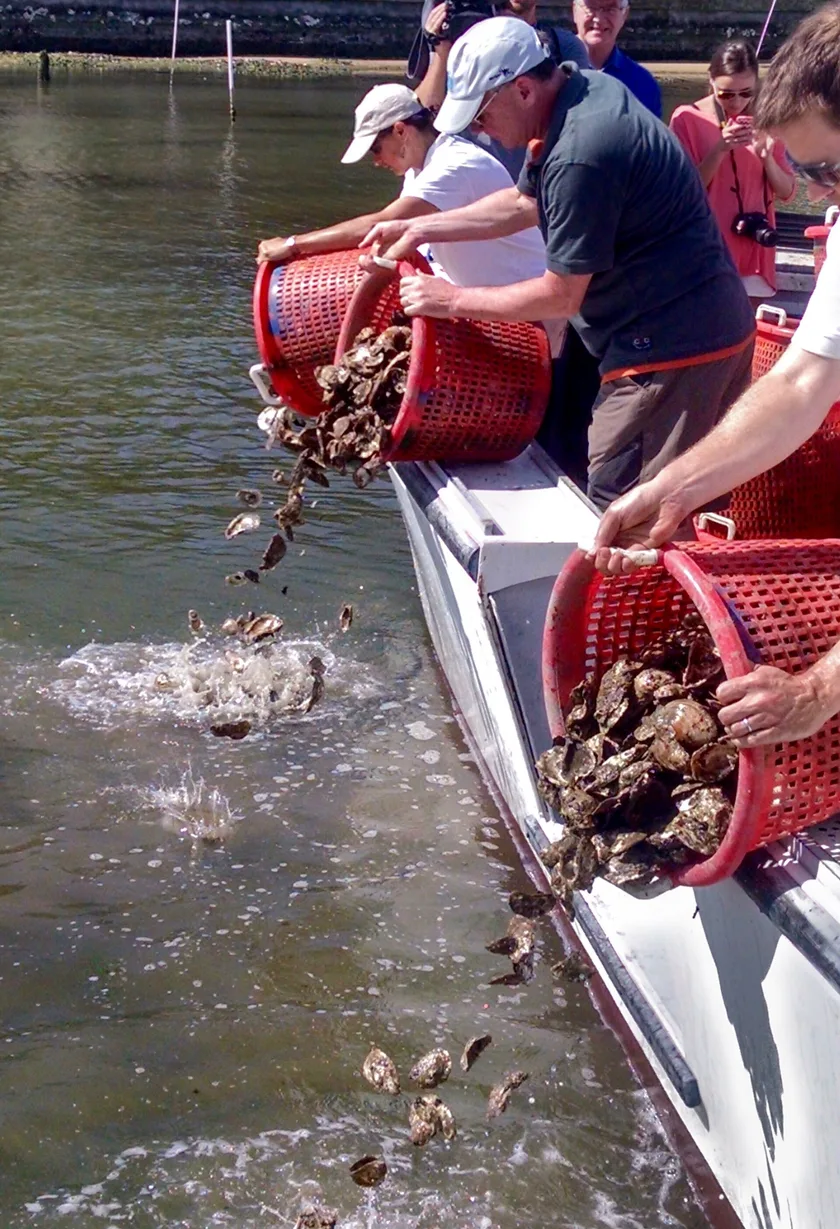
Residents of Pamarawan, a low fishing village on North Manila Bay, told Mongabay the flooding they used to live with has stopped since a shore project went in. The October 30, 2026, report said the work skipped a concrete wall and used bamboo poles, discarded oyster shells, and coconut husks.
Bamboo cribs in the water are meant to catch sediment so the bed can rise enough, in time, for mangroves to be planted. Shells packed in cocomesh bags are there to help oyster reefs recover and give the shore another layer. Mongabay described the pilot as the first nature-based coastal protection project of its kind in the Philippines, and as a model other flood-prone villages might study.
The claim that flooding has eased is what residents reported after the structures were built. The mangrove planting is the hoped-for next stage, not a finished forest.
For the classroom
Pamarawan is a low fishing village on Manila Bay in the Philippines. Floods used to cover the streets. Mongabay reported on October 30, 2026, that a new shore defense was built without a concrete wall. People used bamboo poles, old oyster shells, and coconut husks. Bamboo frames catch mud. In time, that mud may rise enough for mangrove trees to be planted. Shells in coconut-fibre bags are meant to help oyster reefs grow. Residents said the flooding they knew has stopped. The mangroves are a next step, not a tall forest yet.
- Why did the village use bamboo and shells instead of a concrete wall?
- What is a mangrove, and how can its roots help a shore?
- What is something people throw away that could be used again?
For a teacher to read with a class. Print the story of the day · Morning announcements · All classroom stories · This week's Good News Friday pack
Pamarawan, PhilippinesVolunteersWildlife conservationRiversGood news on October 30
More good news
Other stories in the same neighborhood of kindness.
 Community
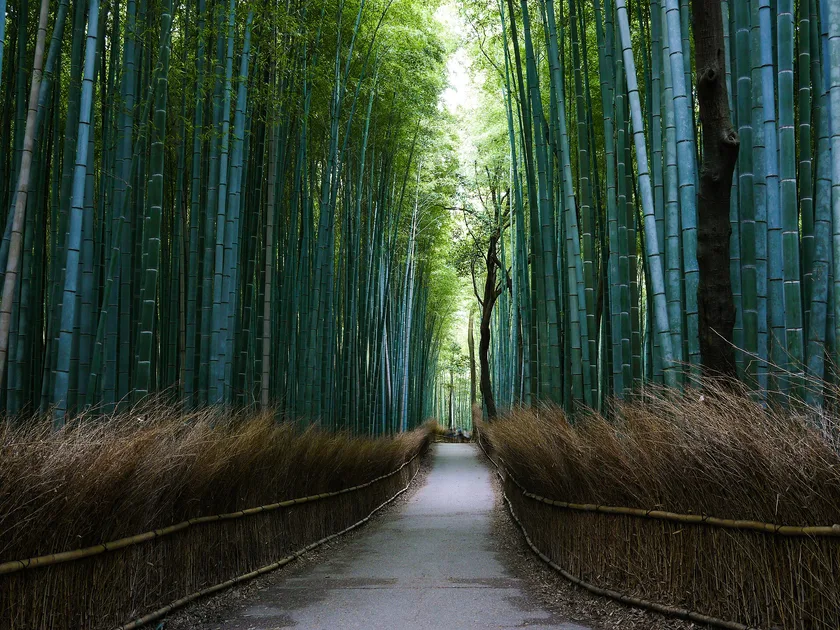
Bilar's bamboo park keeps a Bohol craft in daily use
Kinaiyahan Forest Park holds about 45,000 bamboo plants of 40 kinds. Kyodo News reported that the province is training people and handing out seedlings so the plant supports local work.
Verified · Kyodo News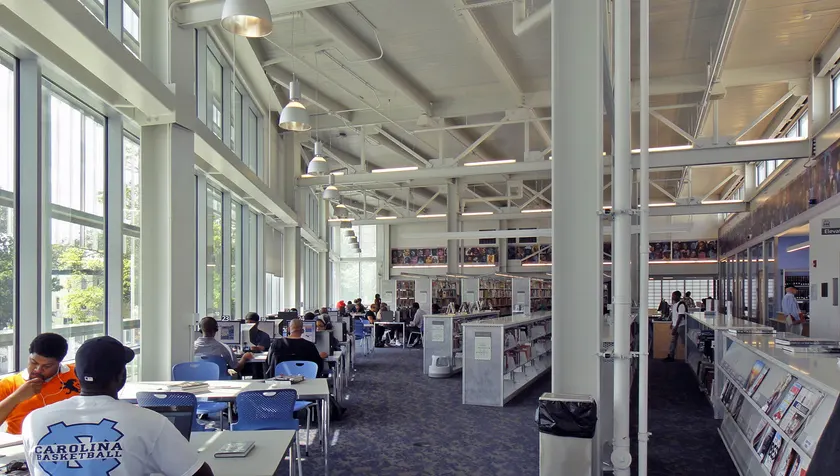 Community
Higaonon student nurses carried books and supplies into a remote Iligan village
On October 24, college volunteers from Iligan took library books, school supplies, clothes, and blood-pressure checks to Sitio Limunsudan for Indigenous Peoples' Month.
Verified · Philippine Daily Inquirer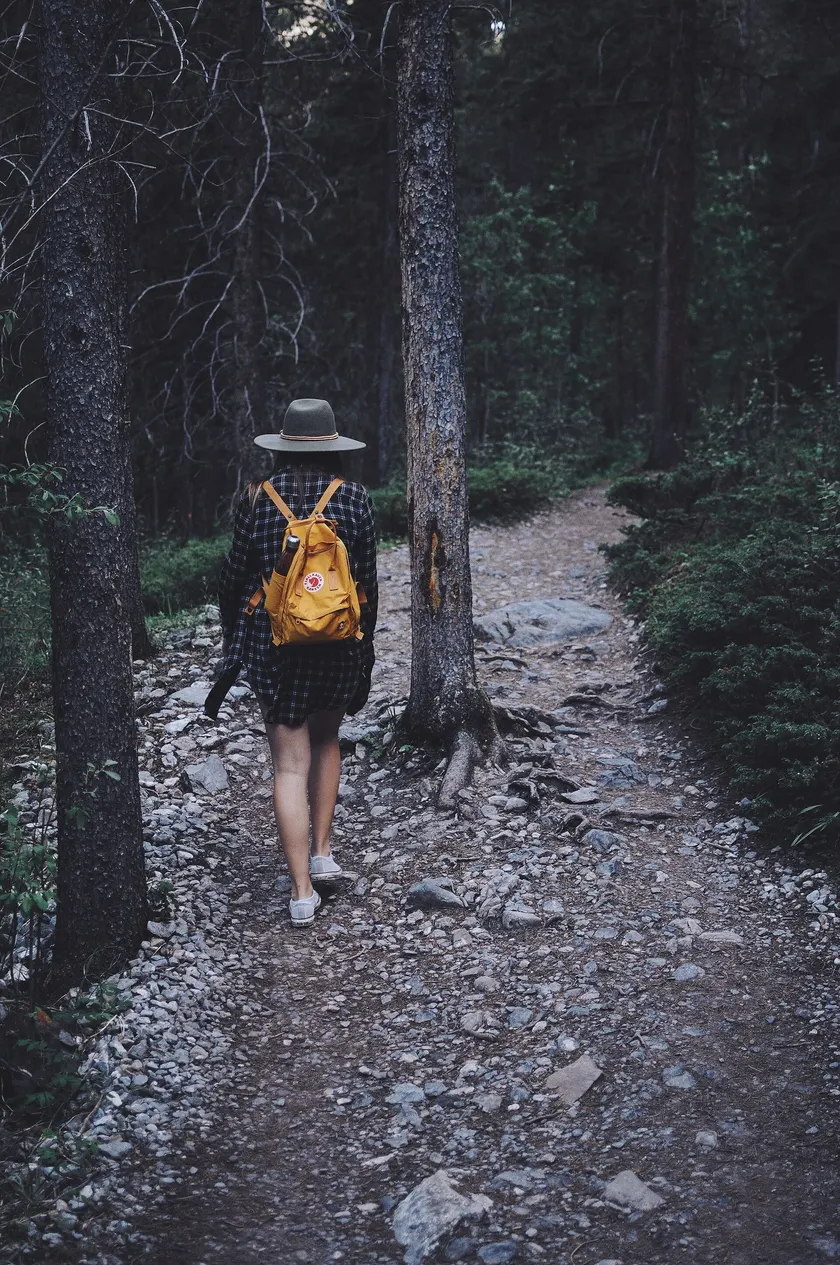 Community
Baguio opened its arboretum, with one ticket for the pines and the botanical garden
On October 19 the city cut the ribbon on a tree collection beside the botanical garden and said the grounds are there for people to learn the birds of the pine forest.
Verified · Daily Tribune