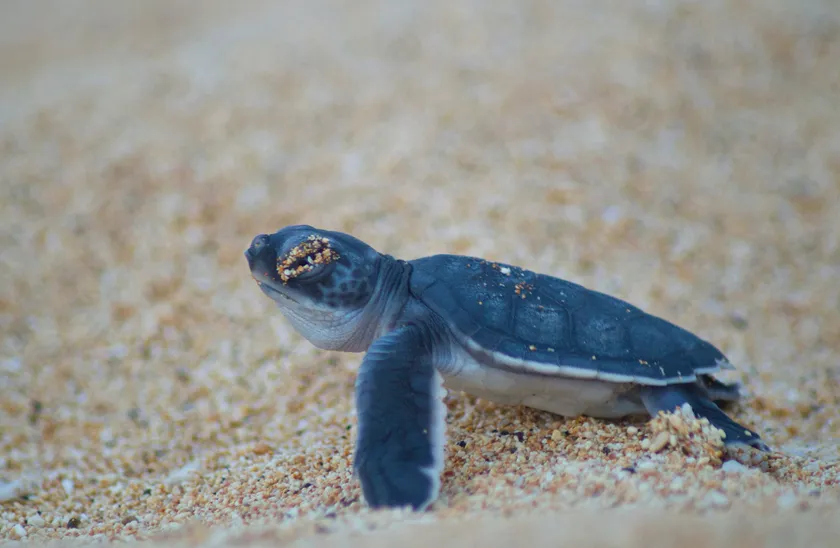
Green turtle nests at Sabah's Turtle Islands have tripled since the 1970s
Nesting at the Turtle Islands now tops 20,000 a year. On nearby Omadal and Mataking, local people still move eggs into hatcheries.

Read the original
The reporting lives at The Straits Times. Our summary is checked against it, and we link it on every story.
Green turtles are one of the few monitored animals moving the right way on the global list. The Straits Times reported on October 8, 2026, from Mataking in Sabah, that the species has gone from endangered to least concern, even as WWF's Living Planet Report, released the same day, found a 73 percent drop in the average size of monitored wildlife populations since 1970. About half of the vertebrates in that report are stable or increasing.
In Sabah, the local record is sharper. Nesting at the Turtle Islands has tripled since the 1970s, to more than 20,000 nests a year, Sabah Parks director Maklarin Lakim told the paper. The islands have been protected since 1977, and the state banned turtle meat and eggs in 1997.
A lot of the daily work is small and local. On Omadal, Sitti Rasah Abdul and a women's cooperative of about 20 people have moved eggs into a hatchery since 2012. They started with WWF and now pay for the work themselves, putting 10 percent of their handicraft and catering income into it. At Mataking Reef Resort, owner Sophia Sie said the hatchery collected about 600 eggs in 2006 and about 36,000 now, and that about a tenth of the staff work on conservation. The paper noted that only about one hatchling in a thousand lives to nest, around age 20. The nesting numbers are a recovery. They are not a claim that the danger is over.
For the classroom
Green sea turtles have moved from endangered to least concern on the global list. The Straits Times reported on October 8, 2026, that nesting at Sabah's Turtle Islands has tripled since the 1970s, to more than 20,000 nests a year. The islands have been protected since 1977, and Sabah banned turtle meat and eggs in 1997. On Omadal Island, a women's cooperative moves eggs into a hatchery and puts part of its craft income into that work. At Mataking, a hatchery that collected about 600 eggs in 2006 now collects about 36,000. Only about one hatchling in a thousand lives long enough to nest.
- What did people in Sabah change so more turtles could nest?
- Why can a species do better in one place and still need help?
- What is one small way a class could help ocean animals?
For a teacher to read with a class. Print the story of the day · All classroom stories
More good news
Other stories in the same neighborhood of kindness.
 Community
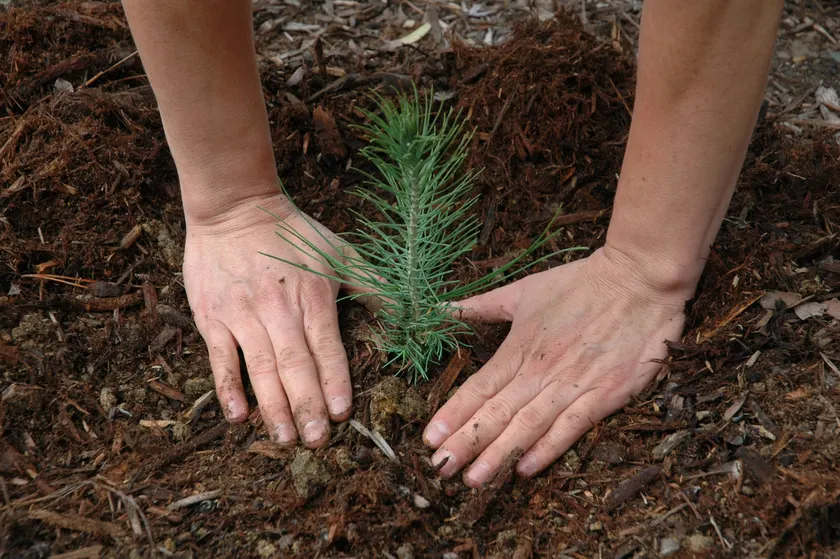
Volunteers planted 700 native saplings at Sabal Forest Reserve
Students, foresters, and neighbors put selangan, resak, and meranti into the ground in Sarawak. Survival and later care were not reported.
Verified · Sarawak Daily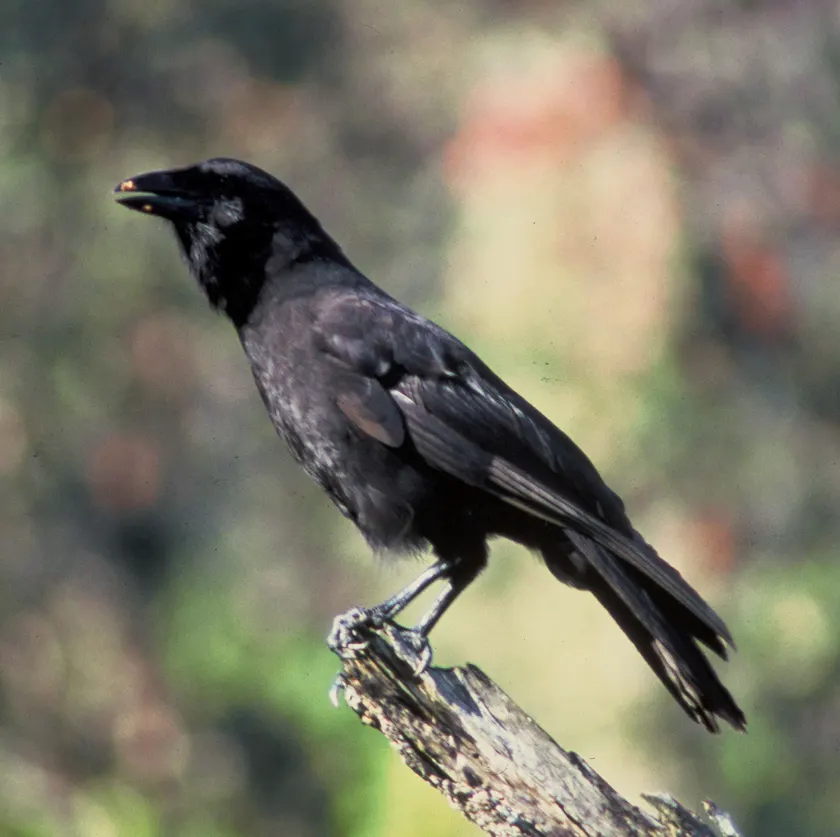 Animals
All five Hawaiian crows released on Maui are still thriving
Nearly two years after their release in the forests of Haleakala, the endangered ʻalalā are foraging, holding territories, and building nests. They have also come through several storms.
Verified · The Maui News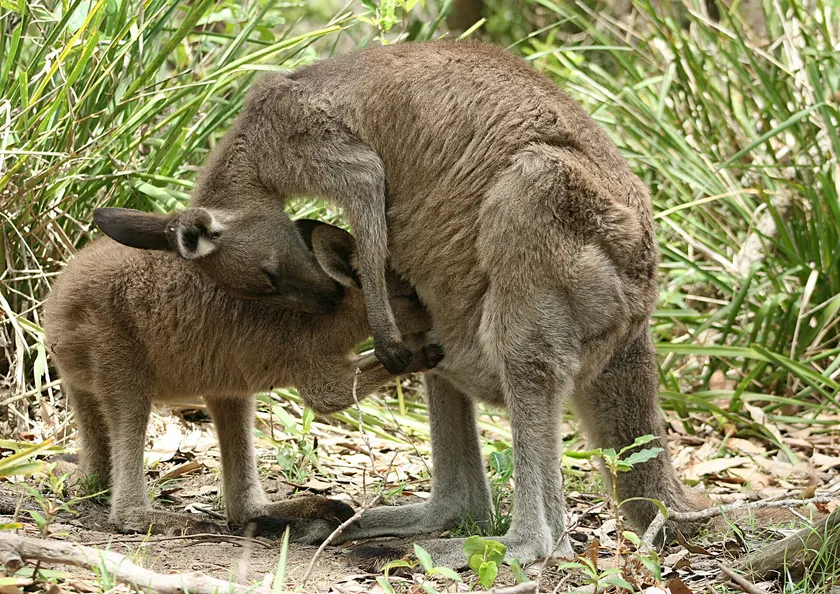 Animals
A kangaroo three kilometers offshore was lifted onto a boat
A crew in Boston Bay, off Port Lincoln, found a male kangaroo in the water, brought him onto the boat, and later watched him hop away from the beach.
Verified · ABC