Nine women in Sarawet turned mangrove seedlings into a village income
A fishers' group in North Sulawesi has planted 30,000 mangroves this year and sells the seedlings, while mud crabs and fish return to the roots.

Read the original
The reporting lives at Mongabay. Our summary is checked against it, and we link it on every story.
In Sarawet, North Sulawesi, nine women are treating mangrove mud as both a forest and a paycheck. Mongabay reported on October 17, 2026, that Wisye Sahambangung, a 45-year-old fisher, has led the group Rhizopora since 2022. CARE Indonesia and Yayasan Bumi Tangguh helped choose the members. An eight-month project with those groups in 2026 put 30,000 mangrove seedlings in the ground.
The women sell seedlings for 2,000 rupiah, about 11 US cents, and a stake for another 500 rupiah. Mud crabs from the restored roots have brought about 350,000 rupiah a kilogram, roughly $19, with some of the catch moving through Manado toward Singapore. Fishers told Mongabay there are more fish. A savings-and-loan circle is running. One single mother used her share to buy a house and start a cake business. Soap made from mangrove materials is still in registration and is not on the market. Sahambangung spoke at Women Deliver 2026 in Melbourne, her first time on an airplane. The fisheries office has mentored the group without funding it, so the women built their own secretariat. Early on, neighbors were skeptical. The plants, and the crabs, are the part that has changed the shore.
For the classroom
Mongabay reported on October 17, 2026, that nine women in Sarawet, a fishing village in North Sulawesi, Indonesia, are restoring mangroves and earning from the work. Wisye Sahambangung started the group in 2022. In an eight-month project this year they planted 30,000 seedlings and also sell them for a small price. Fishers say more fish have come back. Mud crabs from the roots are sold as far as Manado, and some go on to Singapore. A soap made from mangrove materials is still being registered and is not for sale yet.
- How can mangrove roots change what fish and crabs find along a muddy shore?
- Why might a small group of neighbors be able to keep planting after a funded project ends?
- Where is North Sulawesi, and what is a seedling?
For a teacher to read with a class. Print the story of the day · All classroom stories
More good news
Other stories in the same neighborhood of kindness.
 Animals
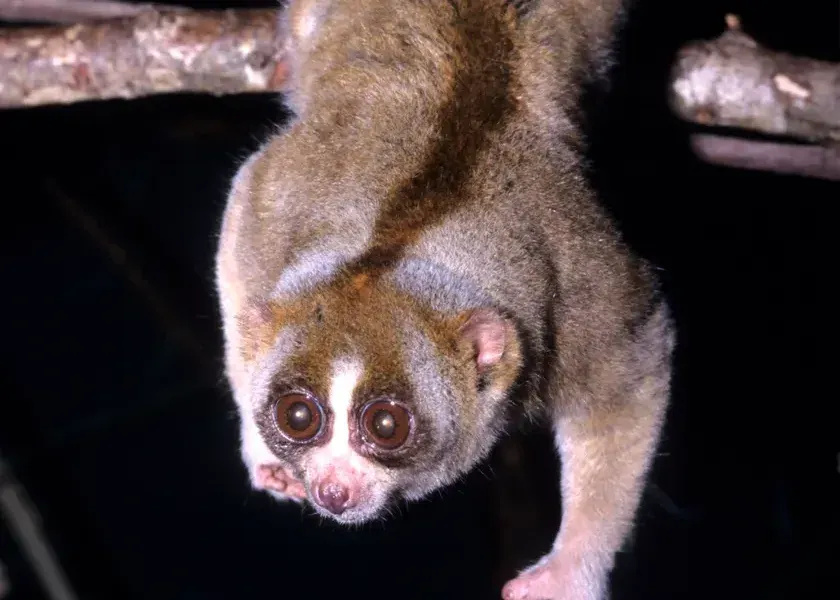
The Bangka slow loris is still living on its island
A scientific paper and a rescue center's records show the primate, last documented by scientists in the early 1930s, has been found across Bangka. Most of the animals that were brought in were later released.
Verified · The Jakarta Post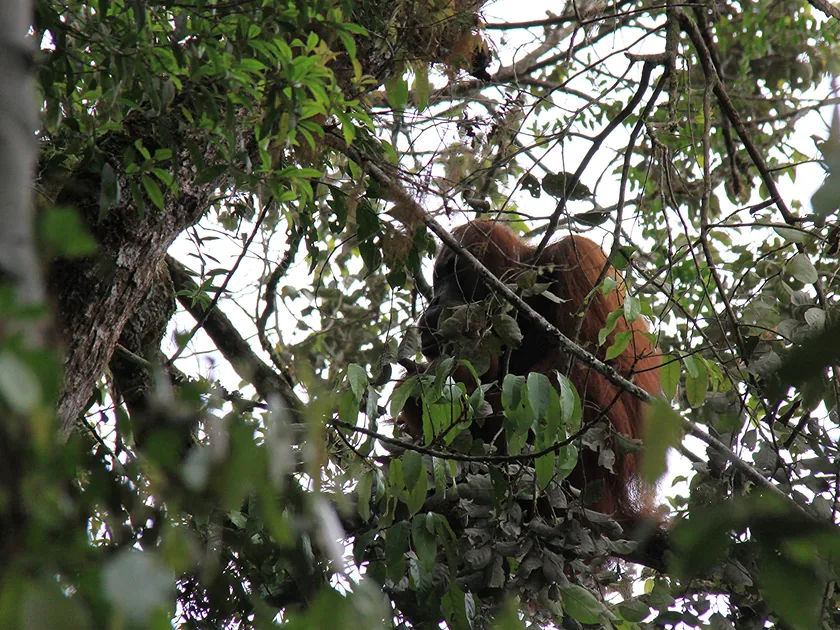 Animals
A young orangutan rescued in India arrived home in Sumatra
A male about three years old, taken from the illegal trade and held for rehabilitation in India, landed in Medan to begin quarantine and a planned return to care in North Sumatra.
Verified · The Indian Express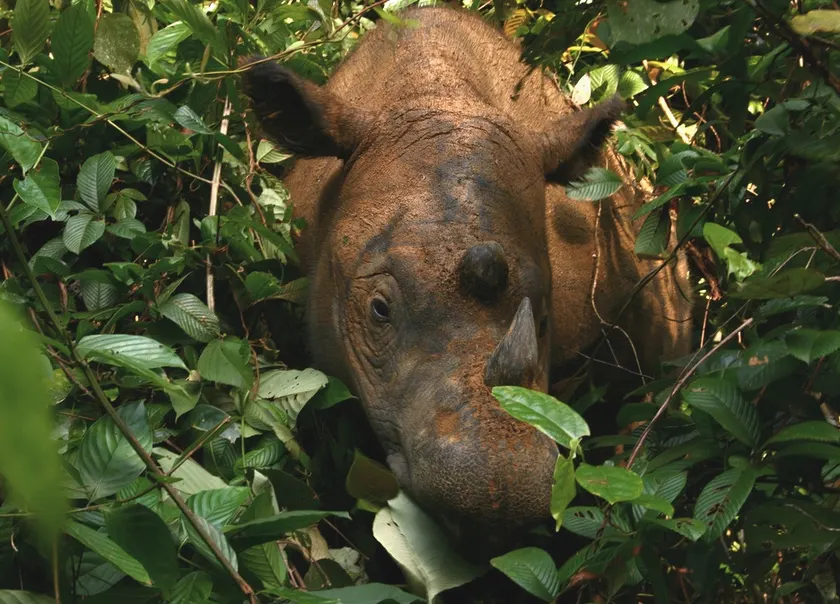 Animals
Two Sumatran rhinos at Way Kambas are pregnant
Ratu and her daughter Delilah are both due around May 2027. The calves are not born yet, and every male in the breeding program is related.
Verified · Mongabay