Delaware and Maryland permanently protect 181 acres on the Nanticoke
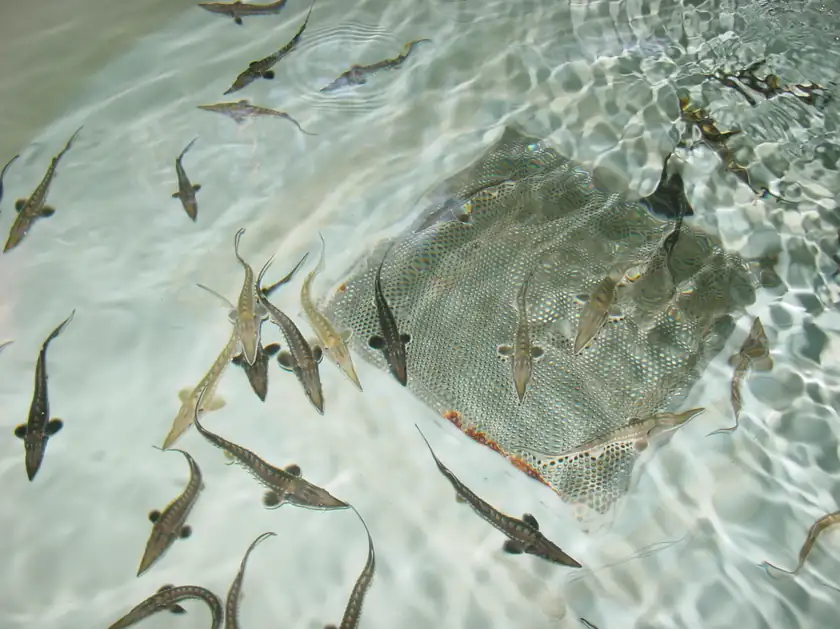
After a 15-year effort, conservation partners celebrated the first two-state land protection in the Nanticoke watershed. The tract holds forest, wetlands, and Atlantic white cedar, and it keeps sediment out of water that feeds Atlantic sturgeon spawning grounds.

Read the original
The reporting lives at WBOC. Our summary is checked against it, and we link it on every story.
Conservation partners gathered Friday in Seaford to mark the permanent protection of 181 acres of forest and wetlands along the Nanticoke River and Wright Creek, land that crosses the Delaware-Maryland line, WBOC reported. The effort took more than 15 years. Maryland Department of Natural Resources Secretary Josh Kurtz called it the first time the two states have worked together on a land acquisition.
The tract includes Atlantic white cedar, a tree Delaware's DNREC is trying to conserve. Kurtz said the Nanticoke matters in Maryland because Atlantic sturgeon reproduce in the state only in Marshyhope Creek, which feeds the river. The fish lay eggs in gravel that extra sediment can smother. Keeping the land forested holds that soil in place, even though the spawning beds are miles downstream. Wetlands on the property also filter water on its way toward the Chesapeake Bay.
For the classroom
Delaware and Maryland have permanently protected 181 acres of forest and wetlands where the two states meet, along the Nanticoke River and Wright Creek near Seaford. The work took more than 15 years. Maryland's natural resources secretary said it is the first time the two states have bought land together this way. Atlantic white cedar grows there, a tree Delaware is trying to keep. The forest also matters to Atlantic sturgeon. In Maryland those fish lay eggs only in Marshyhope Creek, which flows into the Nanticoke. If the land stays wooded, soil is less likely to wash onto the gravel beds where the eggs rest.
- Why does a forest upstream help a fish that lays eggs miles away?
- What is special about two states protecting one piece of land together?
- What animal or tree near you would you want a park to protect?
For a teacher to read with a class. Print the story of the day · All classroom stories
More good news
Other stories in the same neighborhood of kindness.
 Animals
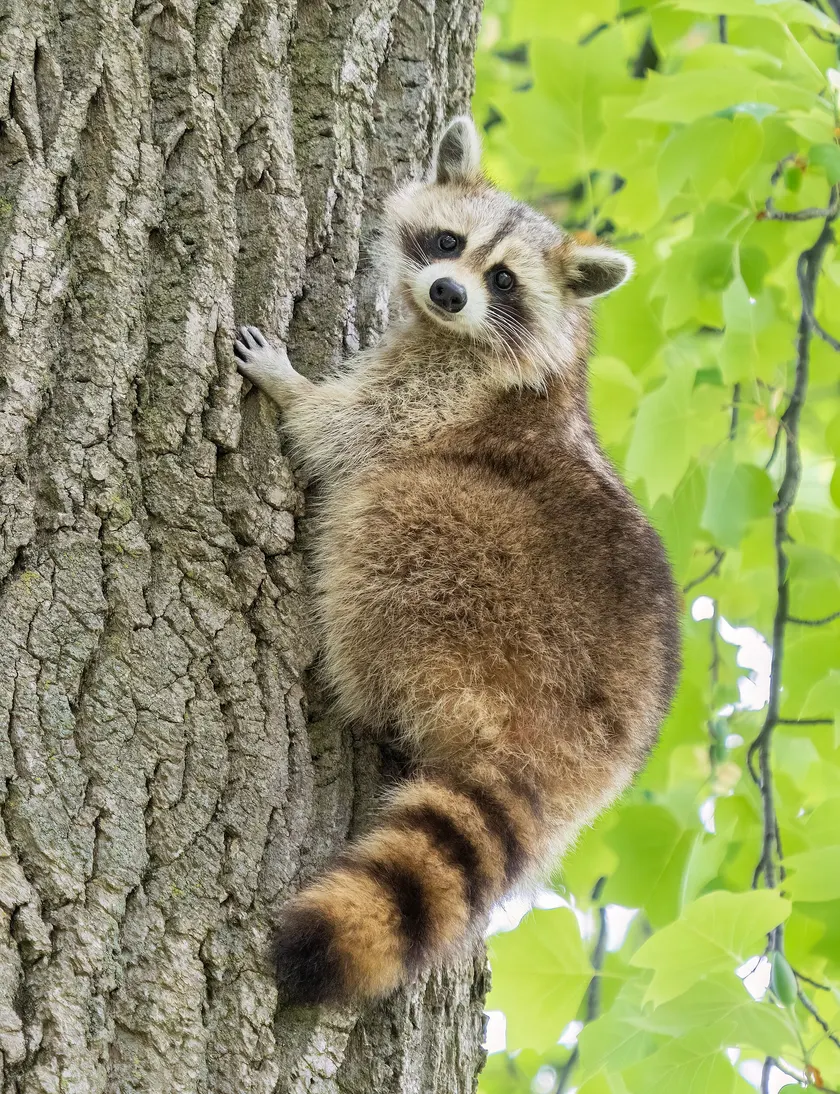
Delaware wildlife rehabilitators are raising money for a dedicated wildlife center
Volunteers who now care for hundreds of injured and orphaned animals from their homes want a central place with medical care and education programs.
Verified · WDEL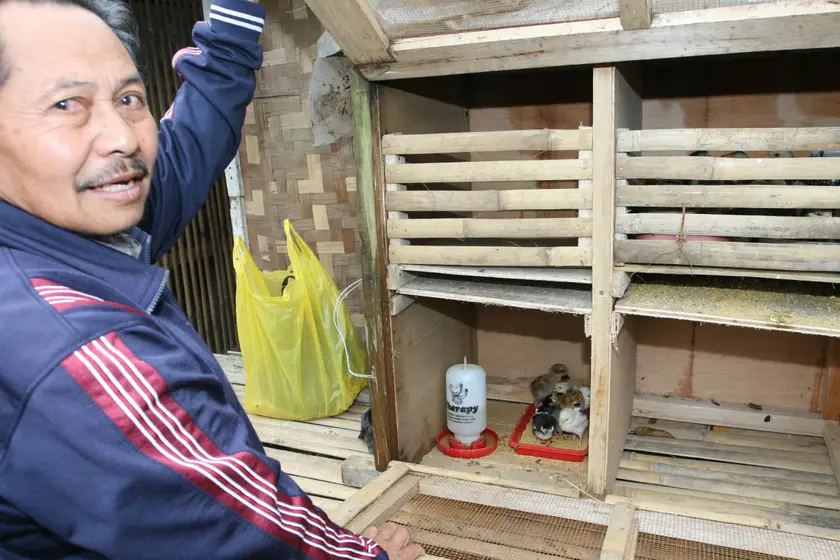 Animals
A Mullumbimby weekend found homes for hundreds of former battery hens
Who Gives a Cluck paired 247 hens with adopters in Mullumbimby. Birds that failed a health check went to care, not back to the farm.
Verified · ABC News Health & Tech
An early T-cell trial stalled tumors in patients whose cancers had resisted immunotherapy
In an NIH-led phase 1/2 trial published in Nature Medicine, invikafusp alfa stopped progression in 16 of 27 patients at the optimal dose and shrank tumors in four. These are early results, not a cure.
Verified · National Institutes of Health