The FDA approves the first once-weekly insulin for children with type 2 diabetes
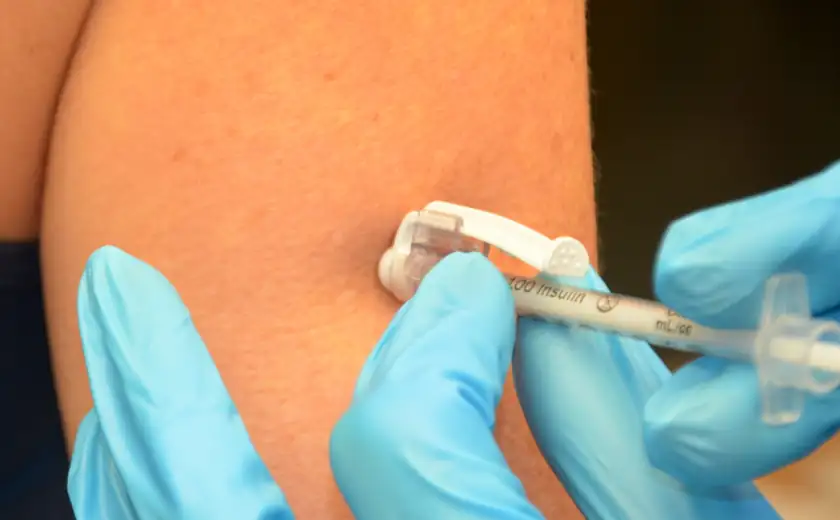
Awiqli, insulin icodec, is now cleared for patients 10 and older with type 2 diabetes, along with diet and exercise. It replaces a daily basal shot with one a week.

Read the original
The reporting lives at U.S. Food and Drug Administration. Our summary is checked against it, and we link it on every story.
The Food and Drug Administration has approved Awiqli, insulin icodec-abae, for children 10 and older with type 2 diabetes. It is a long-acting insulin analog given as a once-weekly injection under the skin, and it is approved as an addition to diet and exercise. The same drug was already cleared for adults earlier in 2026. For children with type 2 diabetes, it is the first basal insulin that can be taken weekly instead of every day. It does not replace mealtime insulin for patients who still need a shot with food, and it is not a cure.
The most common adverse reaction is hypoglycemia. A severe low can cause seizures, unconsciousness, or death. The FDA also warns about dosing errors, because the FlexTouch pen is measured differently from other insulins, and about high blood sugar, low potassium, and fluid retention or heart failure when the drug is used with a thiazolidinedione. The review was a priority review. The practical change, for a child who qualifies, is seven basal injections a week becoming one.
Health & Tech in MarylandSilver Spring, MarylandMedical researchPublic health
More good news
Other stories in the same neighborhood of kindness.
 Health & Tech
An early T-cell trial stalled tumors in patients whose cancers had resisted immunotherapy
In an NIH-led phase 1/2 trial published in Nature Medicine, invikafusp alfa stopped progression in 16 of 27 patients at the optimal dose and shrank tumors in four. These are early results, not a cure.
Verified · National Institutes of Health Health & Tech
Half-matched family donors led to 96 percent survival in a small aplastic anemia study
At Johns Hopkins, 22 of 23 children and young adults survived after a reduced-intensity transplant that can use a half-matched relative. The study was small, and longer follow-up is still needed.
Verified · Johns Hopkins Medicine Health & Tech
The FDA approved a first hepatitis B treatment that may let some patients stop all medication
In two placebo-controlled trials of Hibsago (bepirovirsen), 24 percent of patients qualified to stop antivirals, and 19 percent still had the virus controlled 24 weeks after ending all treatment. The drug carries a boxed safety warning.
Verified · U.S. Food and Drug Administration