Dredged shingle is being placed for birds on the Blackwater
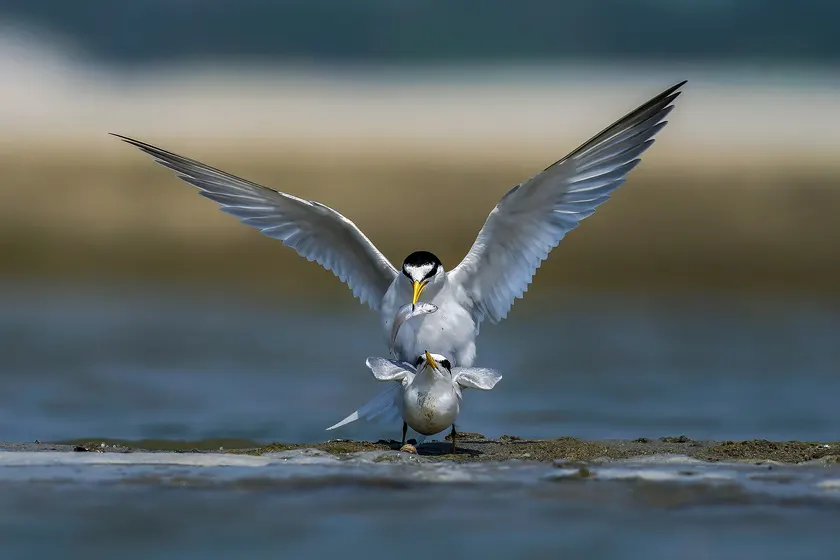
Sediment from Harwich Harbour is going onto banks at Cobmarsh Island and Old Hall Point, habitat for little terns, ringed plovers, and oystercatchers.

Read the original
The reporting lives at BBC. Our summary is checked against it, and we link it on every story.
Dredged sediment from Harwich Harbour is being placed on shingle banks in the Blackwater Estuary, at Cobmarsh Island off West Mersea and at Old Hall Point near Tollesbury. The BBC reported on October 14, 2026, that the banks are nesting habitat for little terns, ringed plovers, and oystercatchers. RSPB senior project manager James Dunn and Jim Warner, harbour engineer at Harwich Haven Authority, described the work, which began in October and costs about £2.5 million. It is funded by the Environment Agency. In winter the estuary also holds wildfowl, including wigeon, teal, pintail, and mallard.
The RSPB said less than 1 percent of dredged sediment is reused nationally. Similar placement was done on the Stour in February and March and on the Blackwater early in 2025. The news is that the material is going onto these banks. It is not a report that birds have already nested on the new shingle.
For the classroom
Little terns, ringed plovers, and oystercatchers nest on shingle, the mix of stones and shells along a shore. On the Blackwater Estuary in Essex, crews are moving sediment dredged from Harwich Harbour onto banks at Cobmarsh Island and Old Hall Point, near Tollesbury. The BBC reported that the work costs about 2.5 million pounds and began in October 2026. In winter, ducks such as wigeon, teal, pintail, and mallard use the estuary too. The new shingle is being put in place. The report does not say that birds have already nested on it.
- Which birds use shingle banks, and what do they do there?
- Why would a harbor move dredged stones to an estuary?
- What would you need to see before saying birds are using the new banks?
For a teacher to read with a class. Print the story of the day · All classroom stories
More good news
Other stories in the same neighborhood of kindness.
 Animals
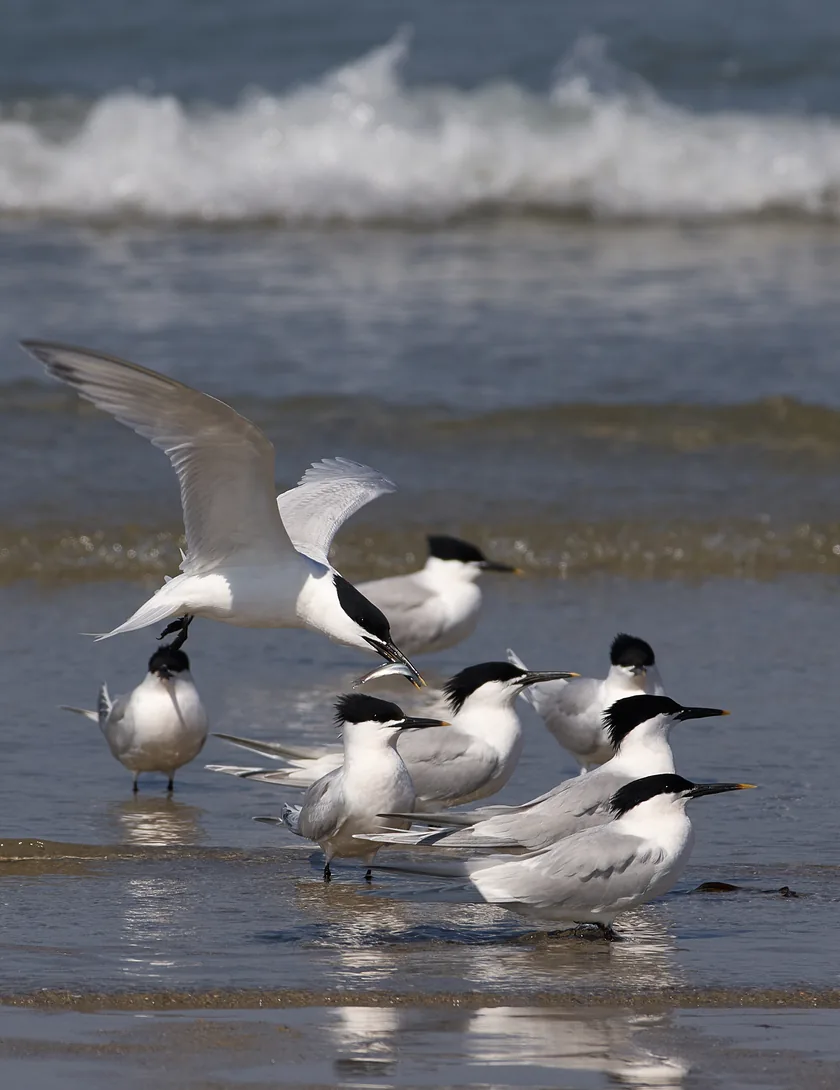
Sandwich terns returned to Pagham Harbour after bird flu
A colony wiped out in 2022 had 756 breeding pairs this year, and 570 chicks fledged, after staff and volunteers rebuilt nesting space on the Solent.
Verified · The Guardian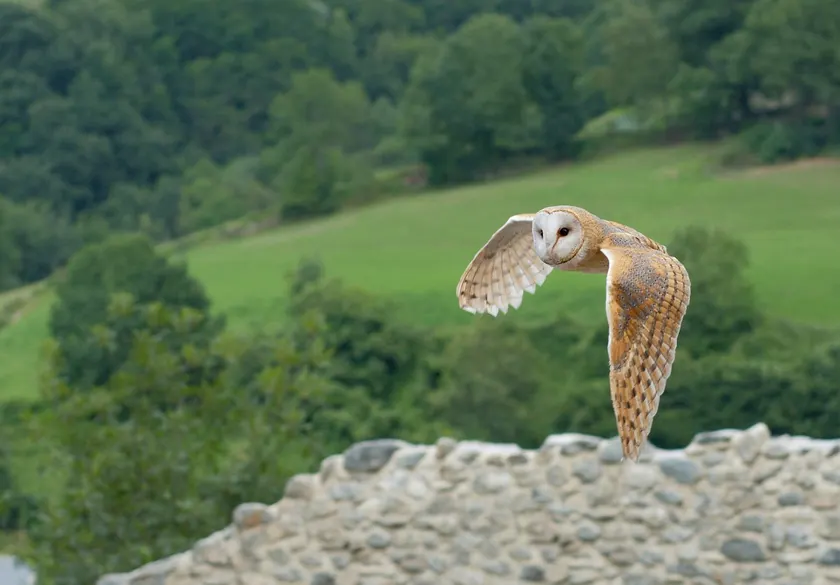 Animals
Sixteen barn owls were ringed on Purbeck farmland
Birds of Poole Harbour and the National Trust fitted rings to 15 chicks and one adult at three farmland sites, a first ringing visit of its kind for Purbeck.
Verified · BBC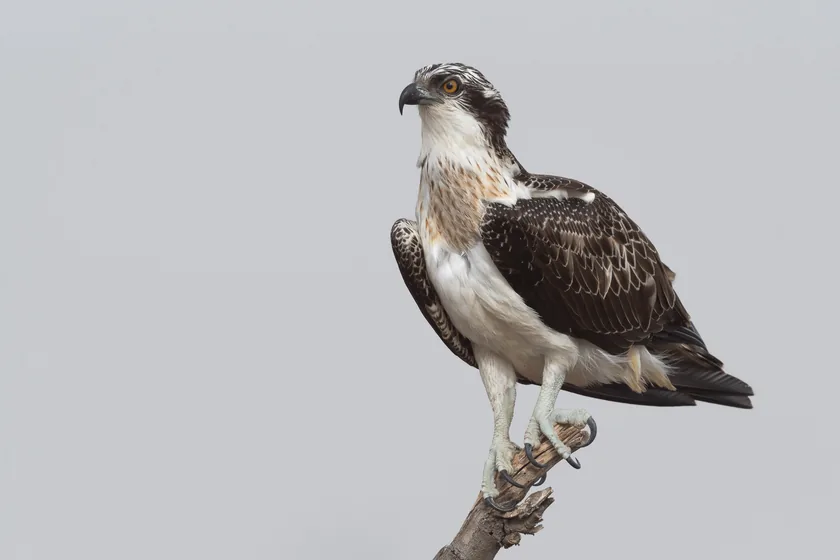 Animals
Ospreys raised three chicks in Herefordshire
A pair that settled in the county in 2025 returned and fledged three young from an oak near the River Wye. The nest site is not being published.
Verified · BBC