Alderville is using fire and a shrub to keep a rare butterfly going
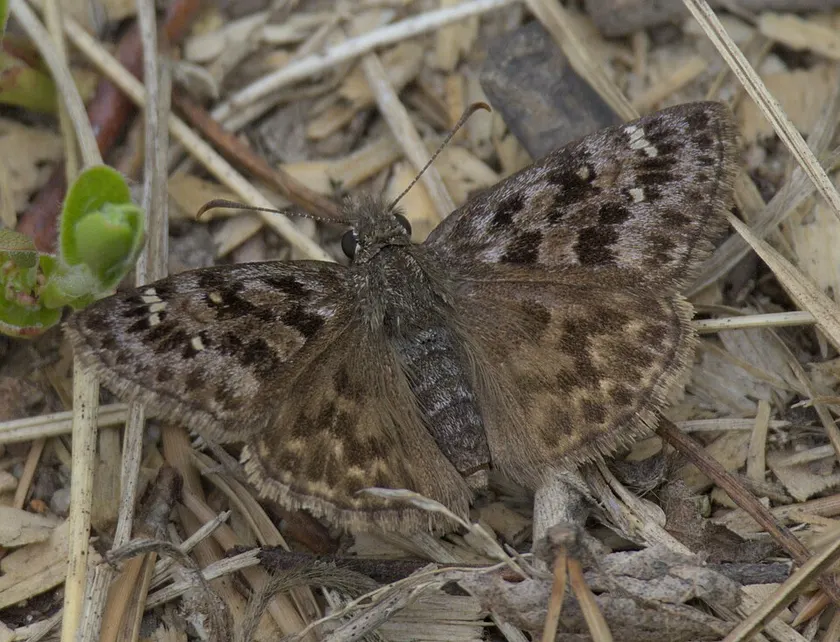
CBC reported that the mottled duskywing, nearly lost in Ontario, is being studied on Alderville First Nation land, where controlled burns help the plant its caterpillars eat.

Read the original
The reporting lives at CBC. Our summary is checked against it, and we link it on every story.
The mottled duskywing is a small butterfly most people have never seen, and a team in Ontario is trying to make its return last. CBC's What on Earth newsletter reported on November 19, 2026, that habitat loss had nearly wiped the species out in the province. Scientists are bringing it back to places such as Pinery Provincial Park and the Alderville Black Oak Savanna, which holds Canada's largest population. Ryan Norris, a University of Guelph biologist leading the research, said many butterfly moves around the world have been a release followed by hope, with no monitoring. This project is trying to learn what actually keeps a population going.
Rick Beaver, a knowledge keeper for Alderville First Nation and a former director of research at the savanna, credits the community's controlled burns. The caterpillars depend on New Jersey tea, a shrub with fluffy white flowers, and that shrub is itself tied to fire. Burns keep other plants from smothering it. Parts of the savanna are burned every year. One section has not burned in about a decade and will be used to compare. Gillian di Petta, acting natural heritage manager, called the pairing of local knowledge and measurement two-eyed seeing. Norris said the duskywing was chosen because small populations were already in Ontario and the host plant was easy to find. It has been reintroduced in several places, including a former tobacco field in Norfolk County. The next species on the list are the frosted elfin, absent from Ontario since the early 1990s and being brought from New York to the north shore of Lake Erie, and the curiously isolated hairstreak, known in Canada from Waterton Lakes National Park in Alberta. Those next steps are underway as reintroductions, not finished recoveries.
For the classroom
CBC News reported on November 19, 2026, that the Alderville First Nation in Ontario is working with scientists to keep a rare butterfly, the mottled duskywing. Habitat loss nearly wiped it out in the province. The Alderville Black Oak Savanna holds Canada's largest population. Caterpillars eat a shrub called New Jersey tea, which grows better after a careful fire. Rick Beaver, a knowledge keeper, said his community has long used those burns. Ryan Norris of the University of Guelph said the butterfly has been brought back to several places, including a former tobacco field. The team is studying how to keep it there, not only how to release it once.
- Why would a fire help a plant that a caterpillar needs?
- What is a plant in your schoolyard that an insect might need?
For a teacher to read with a class. Print the story of the day · Morning announcements · All classroom stories · This week's Good News Friday pack
Alderville, CanadaPollinatorsIndigenous communitiesWildlife conservationGood news on November 19
More good news
Other stories in the same neighborhood of kindness.
 Animals
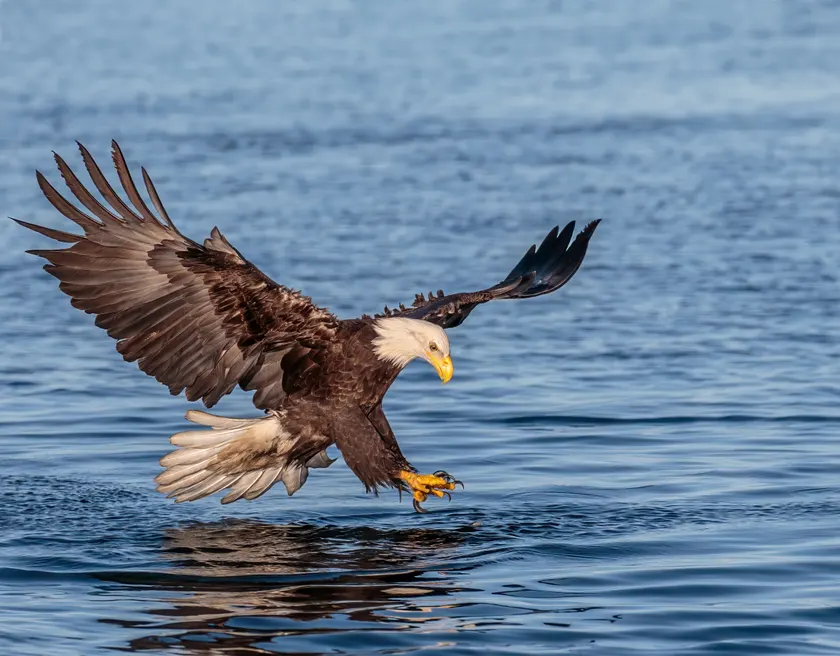
A bald eagle found beside a Yukon highway flew off over Fish Lake
CBC News reported that John Smarch picked up an eagle he first thought was dead near Beaver Creek. After weeks at the Yukon Wildlife Preserve with a broken leg, wing, and beak, it was released near Whitehorse on Tuesday.
Verified · CBC News Animals
Nova Scotia's SPCA is opening foster homes so sick pets can have the kennels
CBC News reported that a Pedigree Foundation grant will pay for software and round-the-clock vet help as the SPCA recruits people to foster healthy pets, including kittens and puppies.
Verified · CBC News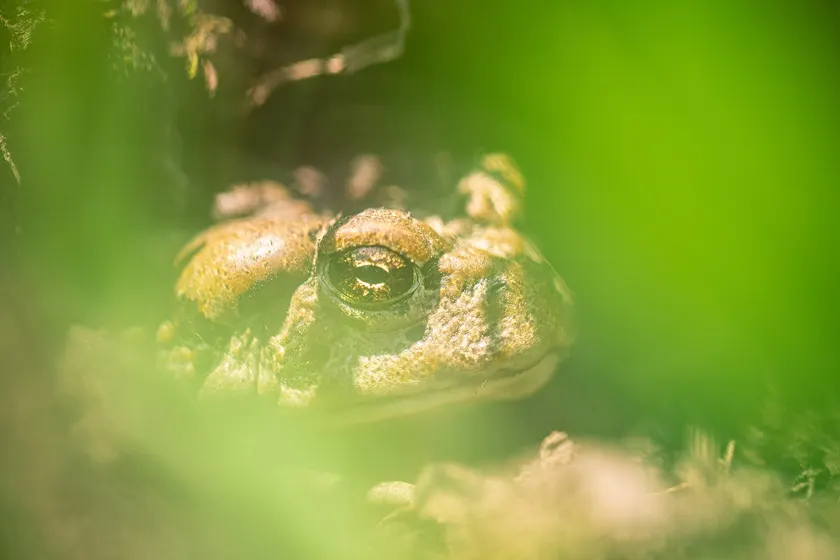 Animals
Prince George opened a bridge so boots pass over the frogs
CBC News reported that an 8-metre span at Shane Lake was finished on November 12, above a trail where tiny amphibians were being stepped on.
Verified · CBC News