A right whale calf unseen all winter turned up off Anticosti Island
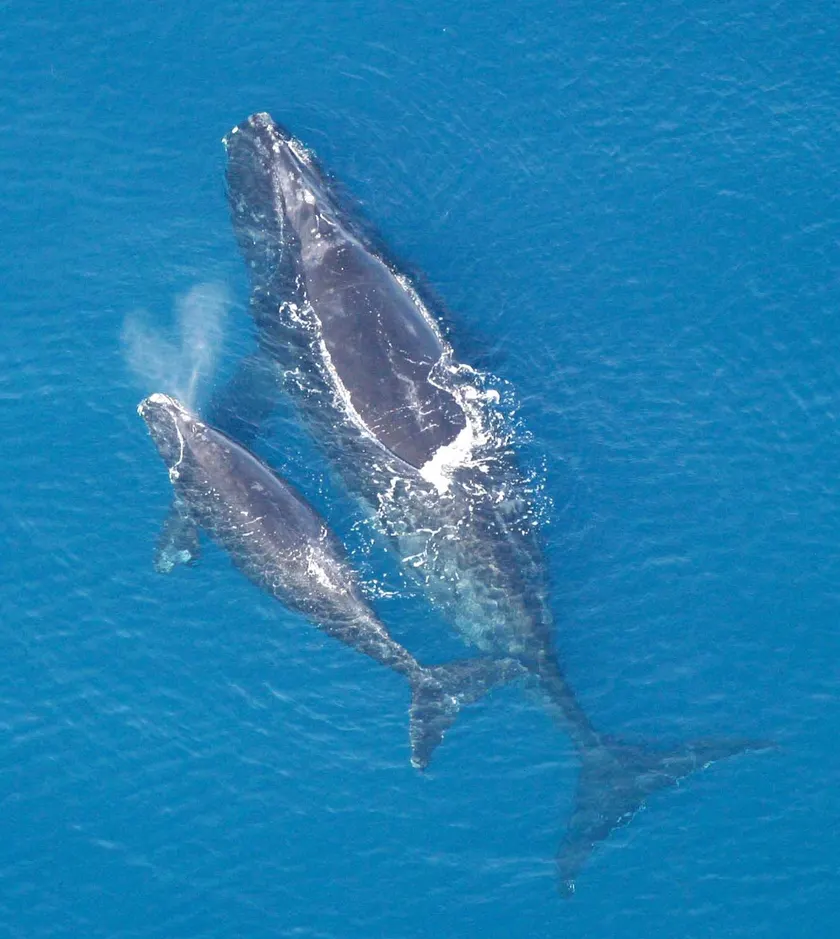
Researchers photographed Silt with a calf near Anticosti Island on September 25. The New England Aquarium later matched the photos and counted her as the 24th calf of the season, the most since 2009.

Read the original
The reporting lives at NOAA Fisheries. Our summary is checked against it, and we link it on every story.
A North Atlantic right whale calf that missed the winter count was photographed with its mother near Anticosti Island, Quebec, on September 25, 2026. NOAA Fisheries said researchers from the Mingan Island Cetacean Study made the pictures, and scientists who keep the photo catalog recognized the mother as Silt, catalog number 1817. She is at least 38 years old. This is her sixth known calf.
Silt had been seen briefly on the southeastern U.S. calving grounds in February 2026. NOAA said she may have given birth there and left before survey teams documented her with a calf, and that the pair also was not recorded along the East Coast through spring and summer. The birthplace and the exact date are not known. What is known is the September sighting and the identification that followed.
The calf brings the 2025–2026 season to 24 calves. NOAA said researchers had identified 24 calves this season. Other reports of the same identification, including the New England Aquarium's November 2 announcement, described the new calf as the one that moved the tally from 23 to 24, the highest total since 2009 and the fourth-highest on record. The species is still critically endangered, with a population of about 380 animals, and fishing gear and ships remain dangers. The news is this calf, found months after the official season ended, not a claim that those dangers are gone.
For the classroom
On September 25, 2026, researchers photographed a North Atlantic right whale mother and calf near Anticosti Island in Quebec. NOAA Fisheries said the mother is Silt, a whale at least 38 years old, and the calf had missed the winter surveys. Silt was seen briefly in the southeastern United States in February, so she may have had the calf there and left before teams found them together. The exact birthday is unknown. This calf brings the season's count to 24, the most since 2009. Right whales are still very rare.
- Why might a calf go unseen for months and still be found later?
- What is one reason a count of babies matters for a rare whale?
- How is a photograph useful when scientists cannot put a tag on every whale?
For a teacher to read with a class. Print the story of the day · Morning announcements · All classroom stories · This week's Good News Friday pack
Port-Menier, CanadaWildlife conservationSTEMGood news on November 7
More good news
Other stories in the same neighborhood of kindness.
 Animals
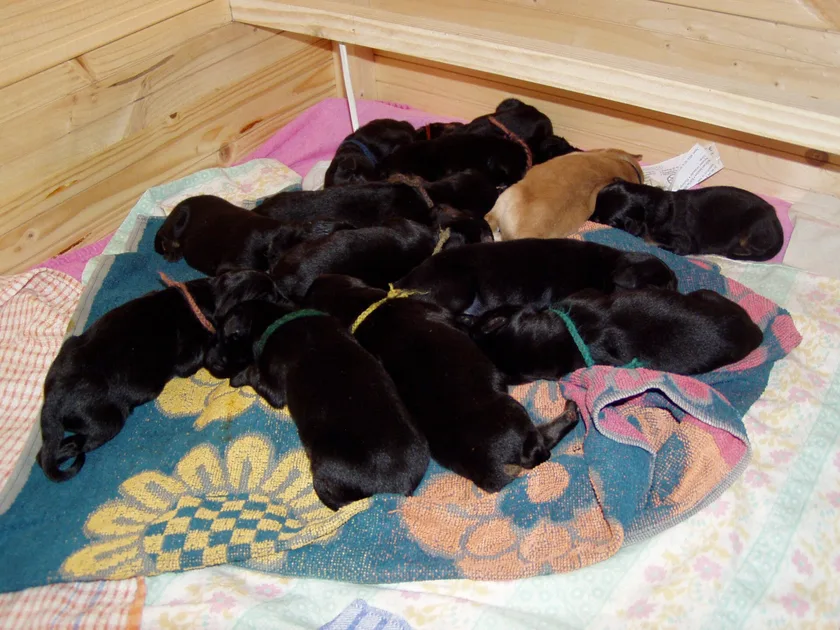
A Dawson City shelter dog had seven puppies, and the kennel is asking for help
Humane Society Dawson usually keeps about five dogs. After Roxy's litter arrived on Sunday, the count hit 18, a record for the shelter. Staff are asking for volunteers, foster homes, and adopters, and they have paused cat intakes.
Verified · CBC News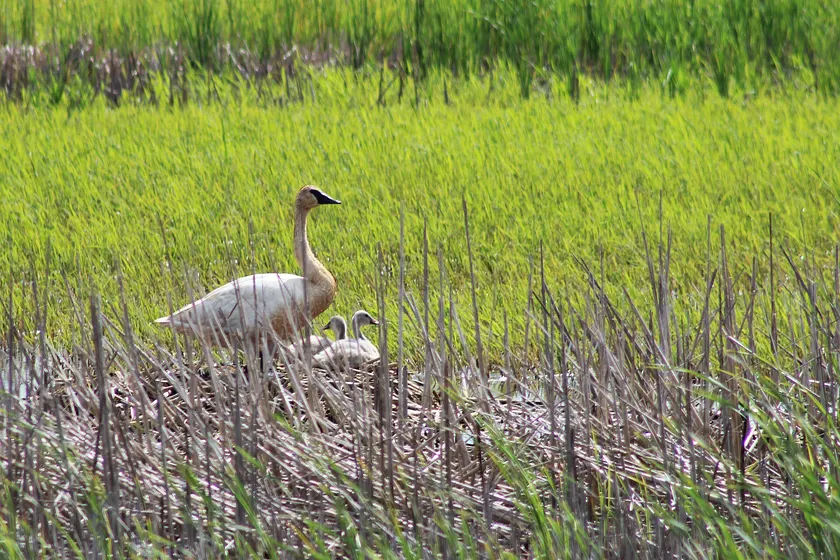 Animals
Six fostered trumpeter swan cygnets paddled out at St. George
Orphaned in Thunder Bay and flown to Ontario in July, the four-month-old birds left a Burlington foster pond for a fenced lake in St. George.
Verified · Oakville News Community
Farms around London, Ontario, are taking leftover Halloween pumpkins
Beaumont Acres has already taken in close to 100 pumpkins and gourds. The Great Pumpkin Rescue list runs through the first week of November, and painted or waxed pumpkins are turned away.
Verified · CBC News