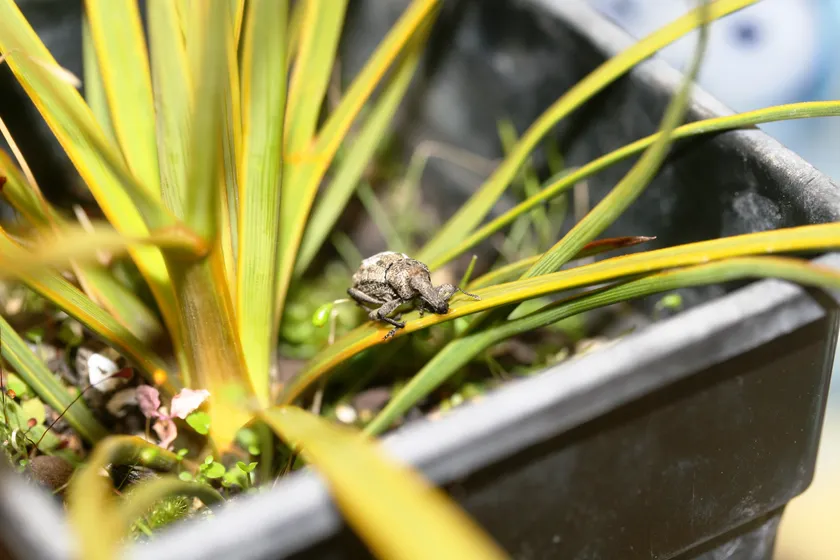
About 216 Canterbury knobbled weevils left captivity for the foothills
A breeding effort that started with six insects produced three generations. The Department of Conservation has put about 216 into the Ashburton Lakes on a trial release.

Read the original
The reporting lives at The Press. Our summary is checked against it, and we link it on every story.
A breeding line that began with six Canterbury knobbled weevils has produced enough insects for a trial in the wild. The Press reported on October 21, 2026, that Department of Conservation staff released about 216 captive-bred weevils into the Ashburton Lakes area. The founding group was four females and two males from a population found near Ōtūroto, Lake Heron, in December 2024.
The species, Hadramphus tuberculatus, was thought extinct before a population turned up at Burkes Pass in 2004. Senior science adviser Tara Murray told The Press that earlier attempts to learn the method on related weevils had been difficult, and that these insects simply produced eggs. Larvae were raised in soil around the roots of potted plants, and the program has now run through three generations.
The release is a test, not a rescue completed. Murray said the question is whether the captive-bred weevils are fit enough to live outside. Staff used a soft release, with small cages over the plants so the insects settle, and the cages come off after several weeks if the weevils are feeding. Very few remain at Burkes Pass. The Press said DOC will keep watching the released insects and is talking with Te Rūnanga o Arowhenua about possible future sites. This release does not mean the species is secure.
For the classroom
Scientists in New Zealand have been raising the rare Canterbury knobbled weevil. The Press reported on October 21, 2026, that the Department of Conservation released about 216 captive-bred weevils into the Ashburton Lakes. Breeding started with four females and two males from a population found near Lake Heron in December 2024. The insect was thought extinct until a few were found at Burkes Pass in 2004. The weevils went out under small cages on the plants they eat, so they can settle before the cages come off. The test is whether they are healthy enough to live outside. They are not saved yet.
- Why put cages over the plants for the first days?
- What is the difference between breeding insects and saving them in the wild?
- Why might a bumpy little insect be worth all this work?
For a teacher to read with a class. Print the story of the day · All classroom stories
More good news
Other stories in the same neighborhood of kindness.
 Animals
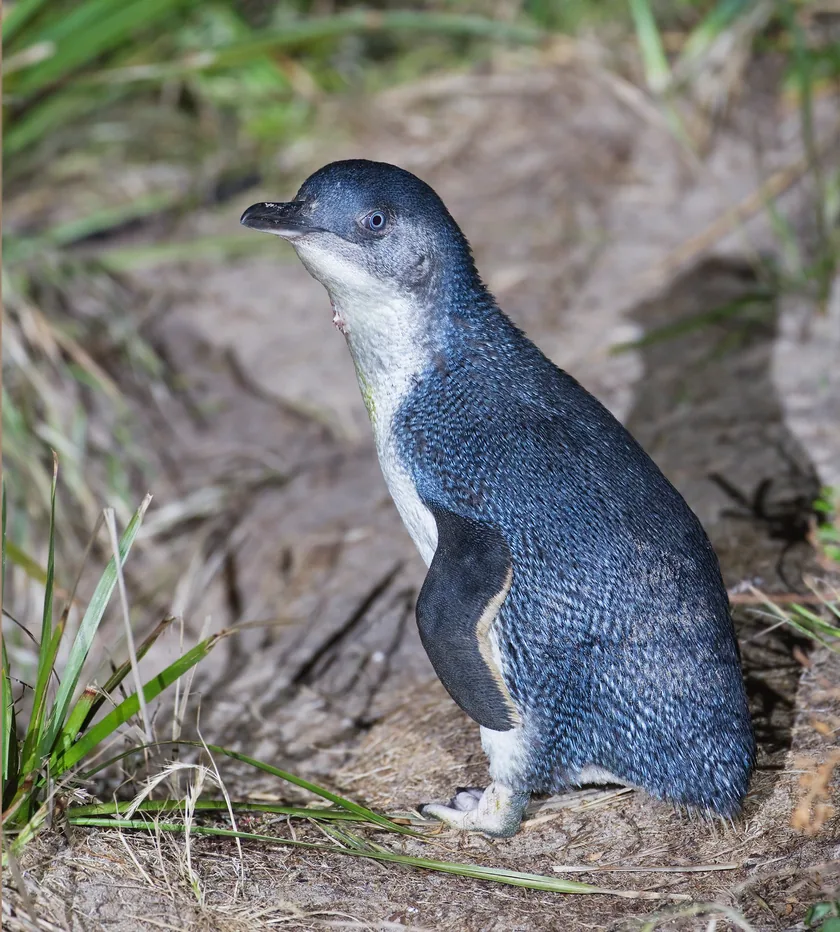
Hidden nest sites give little blue penguins a quieter shore
Around Kaikōura, a wildlife trust and volunteers built predator-controlled nesting reserves and are keeping the locations private so people do not disturb the birds.
Verified · RNZ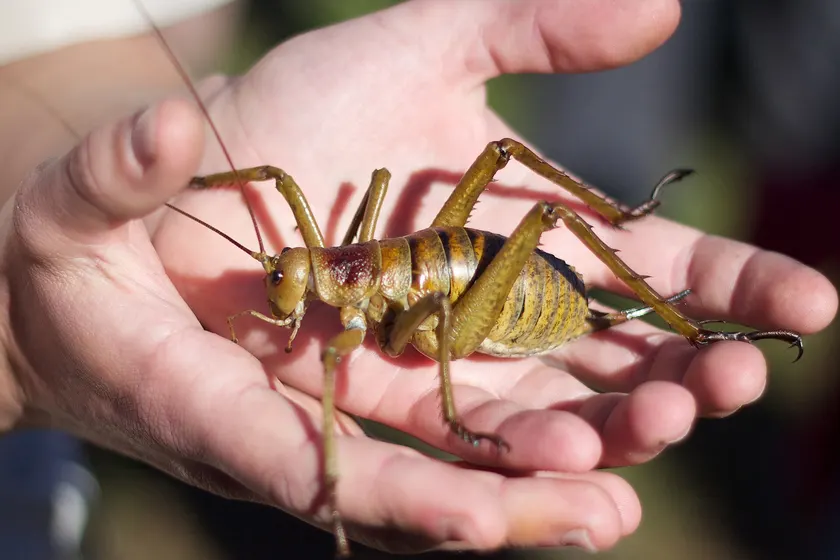 Animals
New Zealand's heaviest insect is officially increasing
A 15-year breeding effort at Auckland Zoo and Butterfly Creek has put about 11,000 wētāpunga back into the wild. On two islands, the insects are now raising their own young.
Verified · The Guardian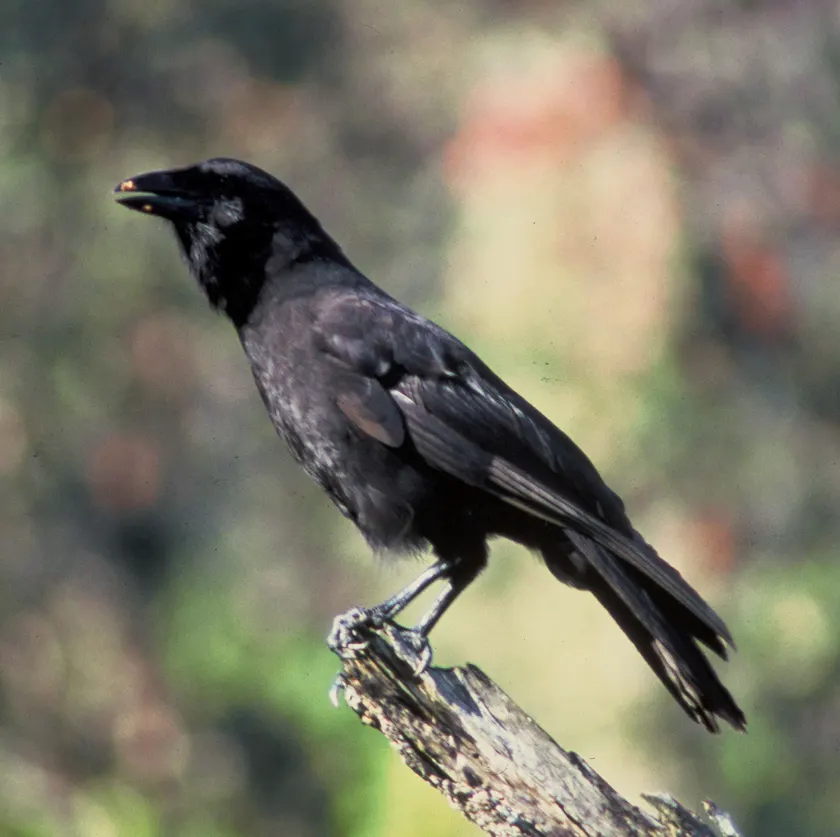 Animals
All five Hawaiian crows released on Maui are still thriving
Nearly two years after their release in the forests of Haleakala, the endangered ʻalalā are foraging, holding territories, and building nests. They have also come through several storms.
Verified · The Maui News