One of Britain's rarest bats is already flying over a Hertfordshire orchard
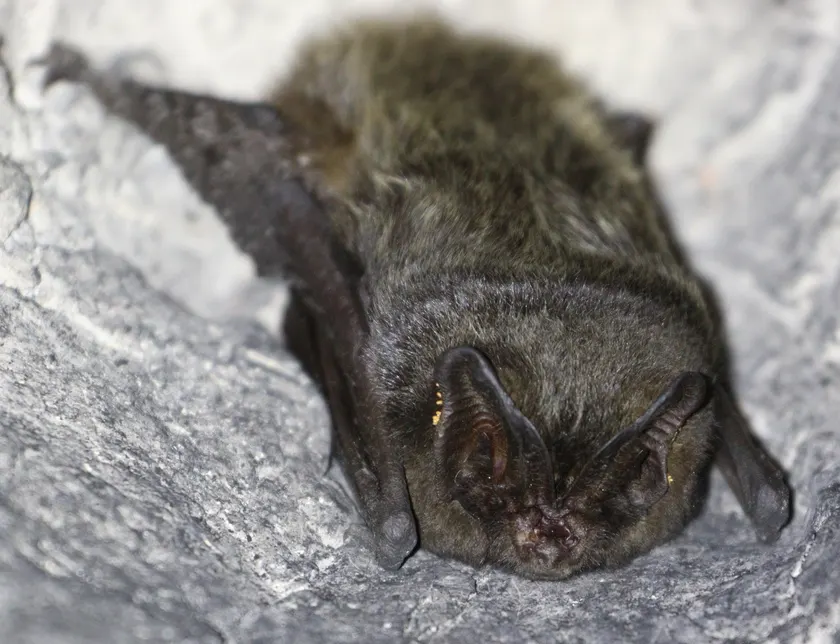
A 2024 survey found barbastelles at the Serge Hill Project near Abbots Langley, and keepers of the orchard are adding monitors to learn where the bats roost.

Read the original
The reporting lives at BBC. Our summary is checked against it, and we link it on every story.
Barbastelle bats are already using the air above an old orchard in Hertfordshire, and the people who look after the land want to learn enough to keep them there. The BBC reported on October 28, 2026, that the Serge Hill Project, at Bedmond near Abbots Langley, is installing monitors after a 2024 survey recorded the species on site.
The barbastelle is one of Britain's rarest bats, known for a short, pug-like face and dark fur. It needs roosts and feeding grounds in woods and wetlands. Sam Radonich, of the project, said many people will never see one, which is why a local record matters. The same surveys also picked up seven other bat species. In Hertfordshire the barbastelle is especially hard to find. A maternity colony was discovered near Bishop's Stortford in 2012.
Affinity Water is supporting the new work, which will use tags and wildlife cameras to follow how the bats move. The gardens at Serge Hill already hold insects and other wildlife for visitors who come to learn about growing. Radonich said the hope is to find roosts and, in time, to have the bats stay rather than only pass over. That is a plan with a real starting point, the 2024 records, and it is not yet a count of a new colony.
For the classroom
The BBC reported that one of Britain's rarest bats, the barbastelle, has been recorded flying over an old orchard at the Serge Hill Project in Bedmond, near Abbots Langley in Hertfordshire. A survey published in 2024 found the bat there, along with seven other bat species. Barbastelles have dark fur and a short face, and they need woods and wet places where they can roost and feed. The project, with support from Affinity Water, is putting in tags and wildlife cameras to learn where these bats sleep and how they move. The team hopes the orchard can become a roost, not only a place the bats pass through. That part is still ahead of them.
- What did the survey already show, and what are people still trying to learn?
- Why do bats need dark, quiet places as well as insects to eat?
- Where near your school might a bat be able to hunt at night?
For a teacher to read with a class. Print the story of the day · All classroom stories
More good news
Other stories in the same neighborhood of kindness.
 Animals
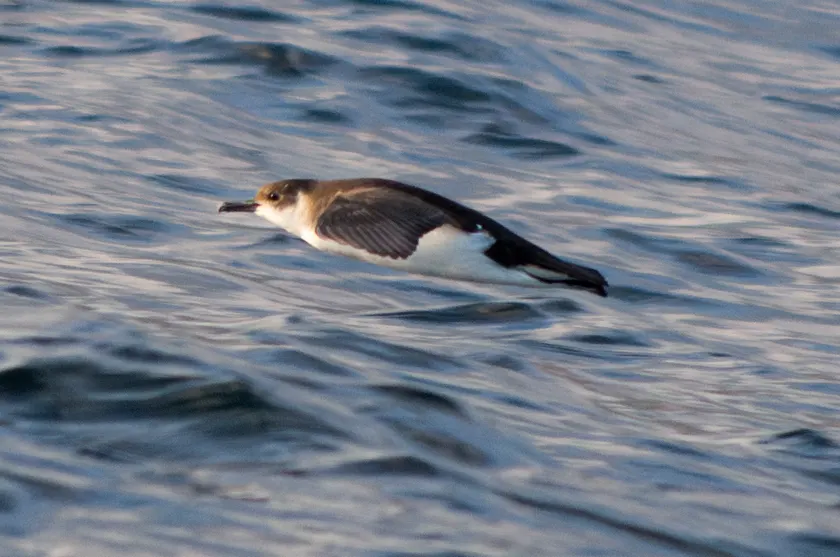
Young Manx shearwaters are learning the night sky over Canna again
Forty chicks have been moved from Rum to Canna, where rats wiped out a colony that once held about 3,000 breeding adults.
Verified · BBC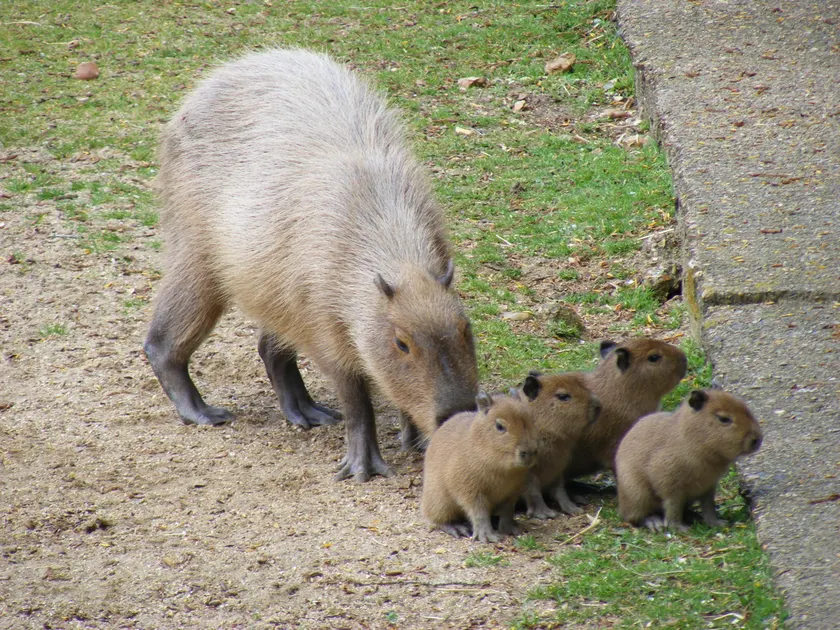 Animals
Three capybara pups were born overnight at Edinburgh Zoo
Keepers found Luna and Rodney's pups on October 28. Their sexes and names will wait for a health check, and older brother Bru is adjusting.
Verified · STV News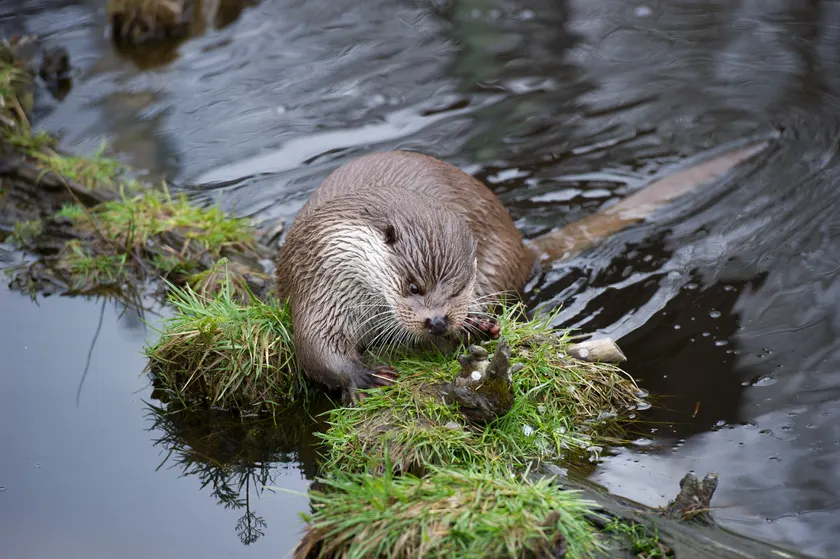 Animals
A South Molton volunteer who started at 15 won a countryside award
Lily Herniman, 18, volunteers three days a week at a north Devon otter sanctuary and was named Countryfile Young Countryside Champion.
Verified · BBC