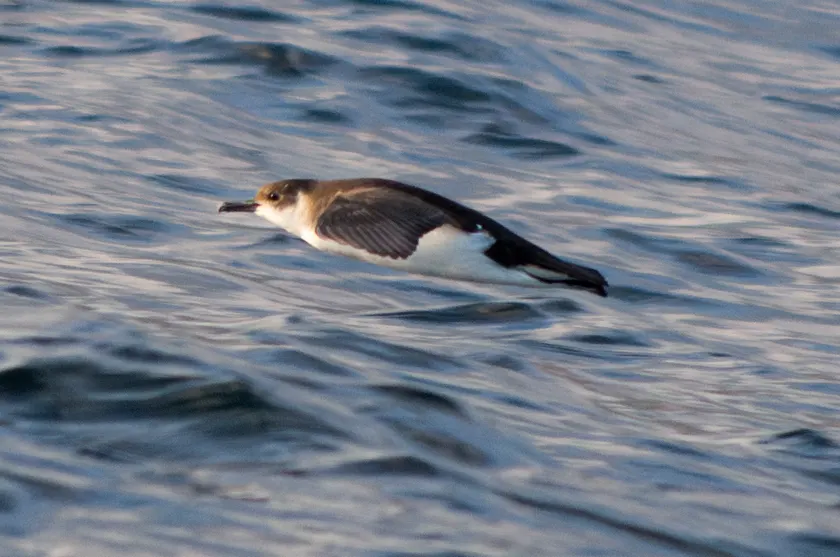
Young Manx shearwaters are learning the night sky over Canna again
Forty chicks have been moved from Rum to Canna, where rats wiped out a colony that once held about 3,000 breeding adults.

Read the original
The reporting lives at BBC. Our summary is checked against it, and we link it on every story.
Young Manx shearwaters are being given a chance to nest again on the Isle of Canna. The BBC reported on October 29, 2026, that the National Trust for Scotland has moved chicks from the neighboring Isle of Rum, where a large colony still breeds.
Canna, in the Small Isles, once held about 3,000 breeding adults. Rats reached the island on ships about a century ago and, by the 1990s, were eating so many eggs that the colony collapsed. Trappers from New Zealand helped clear the rats, and the island has been free of them since 2005. Over the past two years, 40 young birds have been carried across and settled in burrows on Canna. Rum still holds about a quarter of the world's breeding pairs, at least 120,000 of them.
Ellie Owen, the trust's senior seabird officer, told BBC Radio Scotland that the work meant nights on the hills and a lot of trial and error. She said people on Canna missed the birds' calls over the village and hoped to hear that sound again. The chicks are closely related to albatrosses, live mostly at sea, and are thought to steer by the sun, moon, and stars. A film about the first year of the project is planned for 2027. The move is a start, not proof that a breeding colony has already returned.
For the classroom
The BBC reported that people are trying to bring Manx shearwaters back to the Isle of Canna, off western Scotland. The island once had about 3,000 breeding adults. Rats that came ashore on ships ate the birds' eggs, and by the 1990s the colony was nearly gone. The rats were removed in 2005. Over two years, teams have moved 40 young shearwaters from the nearby Isle of Rum, which still has a huge colony, and looked after them until they could fly from Canna. The birds spend most of their lives at sea and find their way by the sun, moon, and stars. Neighbors told researchers they missed hearing the birds call at night.
- Why did the shearwaters disappear from Canna, and what had to happen before they could return?
- How do these birds find their way when they fly at night?
- What is one way a class could help birds that nest near where you live?
For a teacher to read with a class. Print the story of the day · All classroom stories
More good news
Other stories in the same neighborhood of kindness.
 Animals
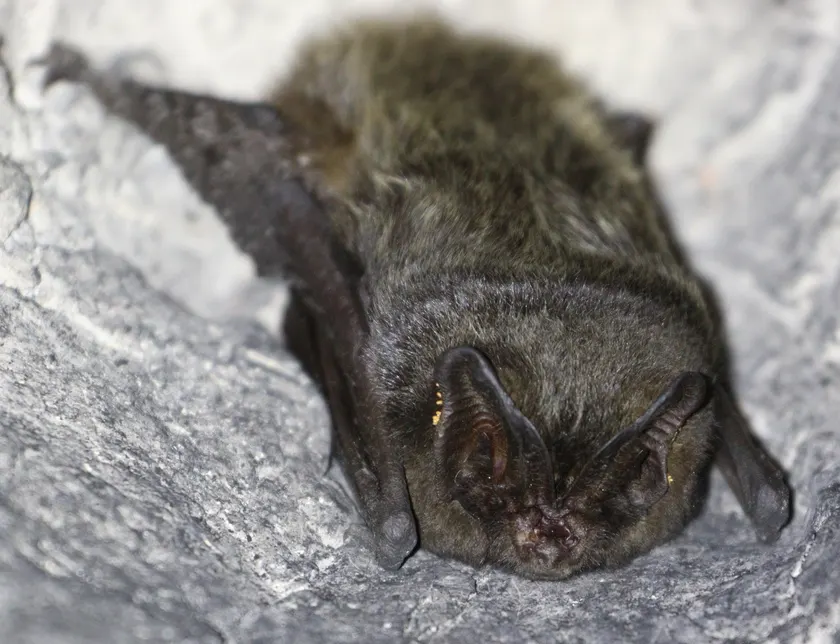
One of Britain's rarest bats is already flying over a Hertfordshire orchard
A 2024 survey found barbastelles at the Serge Hill Project near Abbots Langley, and keepers of the orchard are adding monitors to learn where the bats roost.
Verified · BBC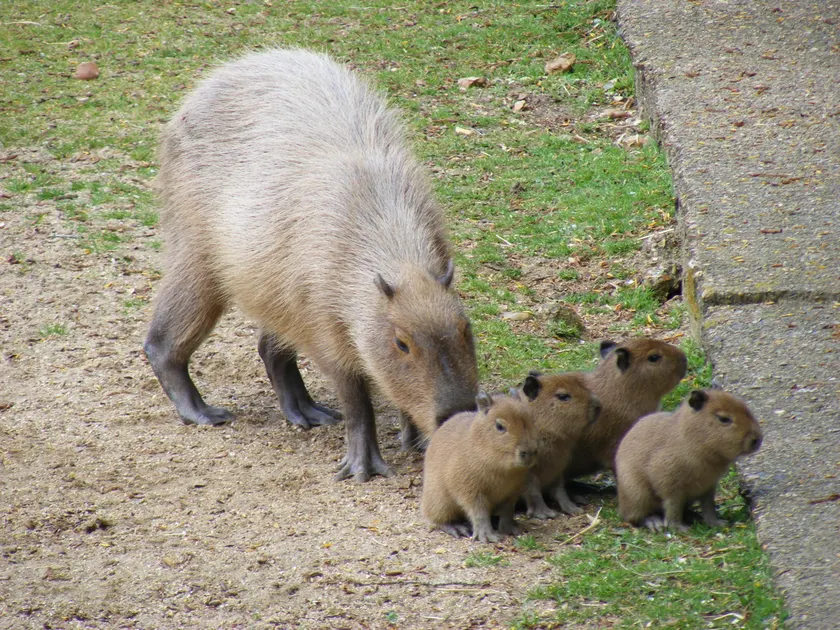 Animals
Three capybara pups were born overnight at Edinburgh Zoo
Keepers found Luna and Rodney's pups on October 28. Their sexes and names will wait for a health check, and older brother Bru is adjusting.
Verified · STV News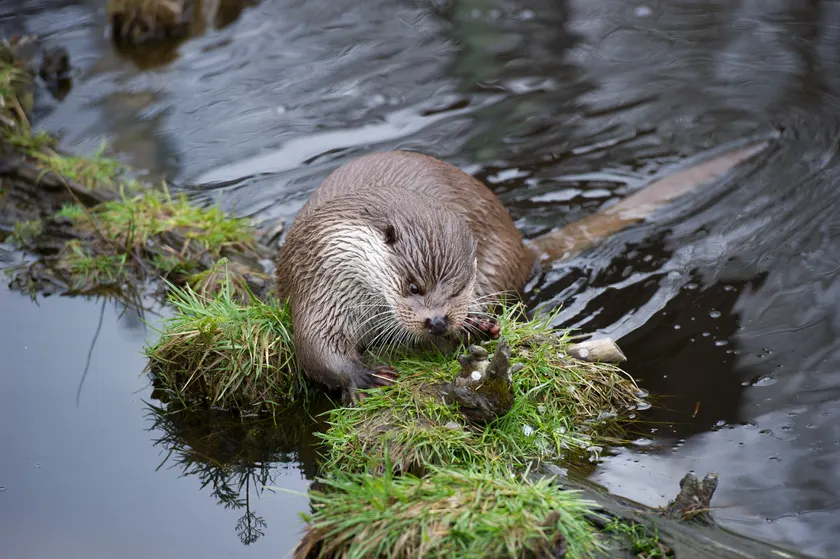 Animals
A South Molton volunteer who started at 15 won a countryside award
Lily Herniman, 18, volunteers three days a week at a north Devon otter sanctuary and was named Countryfile Young Countryside Champion.
Verified · BBC