Three patients in a Beijing trial saw most of their seizures stop
After a gene therapy and a low dose of clozapine, two people's monthly seizures fell from 4.5 to 0.5 and the third's from 4 to 0. Nature reported there was no comparison group, and an outside neurologist said the result is too small to settle why it happened.

Read the original
The reporting lives at Nature. Our summary is checked against it, and we link it on every story.
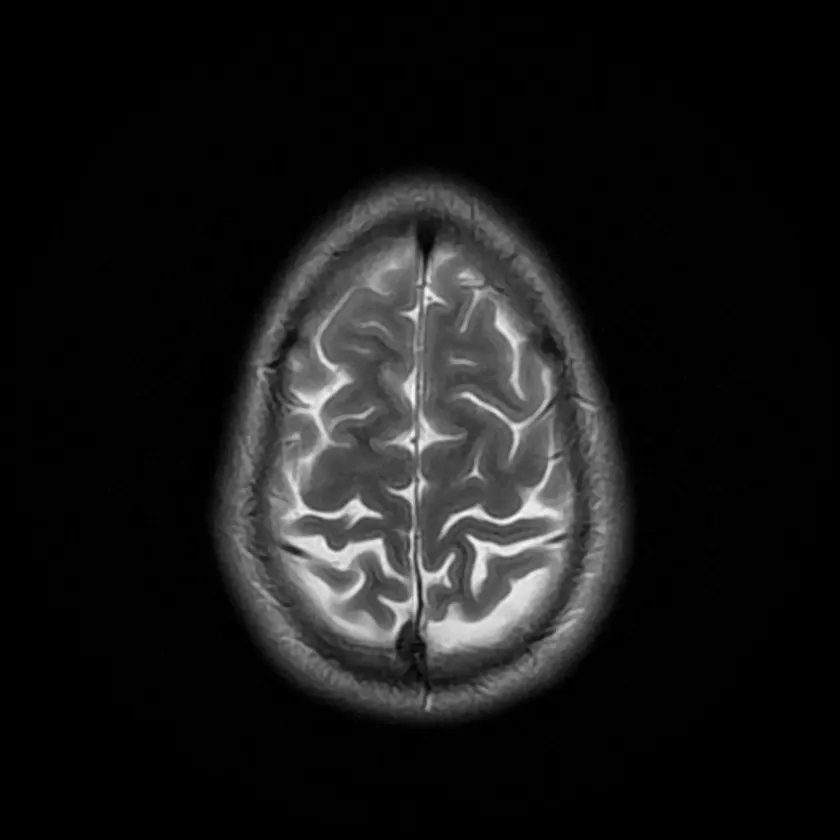
Three adults whose epilepsy had not responded to drugs had far fewer seizures after an experimental gene therapy, Nature reported on November 4, 2026. Yang Dai, a neurosurgeon at Xuanwu Hospital of Capital Medical University in Beijing, and colleagues described the early trial in the New England Journal of Medicine. Each person had scarring on one side of the hippocampus, had lived with epilepsy for 10 to 25 years, had not been helped by at least two medicines, and had been having at least two seizures a month.
Surgeons infused a virus carrying a gene into the small patch of brain where the seizures started. The gene makes those neurons sensitive to clozapine. Two weeks later the patients began a low dose of that drug every eight hours. About two months on, monthly seizures had fallen from 4.5 to 0.5 for two of them and from 4 to 0 for the third, a drop of more than 90 percent. Nature said they did not have serious side effects. The study was built to look at safety. There was no comparison group.
Matthew Walker, a neurologist at University College London who was not part of the trial, told Nature the size of the change is exciting and the side effects look limited, and also that three people cannot show whether the gene therapy, the drug, the surgery, or something else explains it. High doses of clozapine have been tied to heart and other risks. These patients were on a low dose, and the follow-up Nature describes is about two months. The news is that short record in three people. It is not a treatment available beyond the trial.
Beijing, ChinaMedical researchPublic healthGood news on November 7
More good news
Other stories in the same neighborhood of kindness.
 Science
Three 1,800-year-old wooden boats were lifted from under Beijing
Archaeologists raised the boats in one piece from seven meters down in Fengtai. An official stamp on the timbers points to state-run river shipping.
Verified · China Daily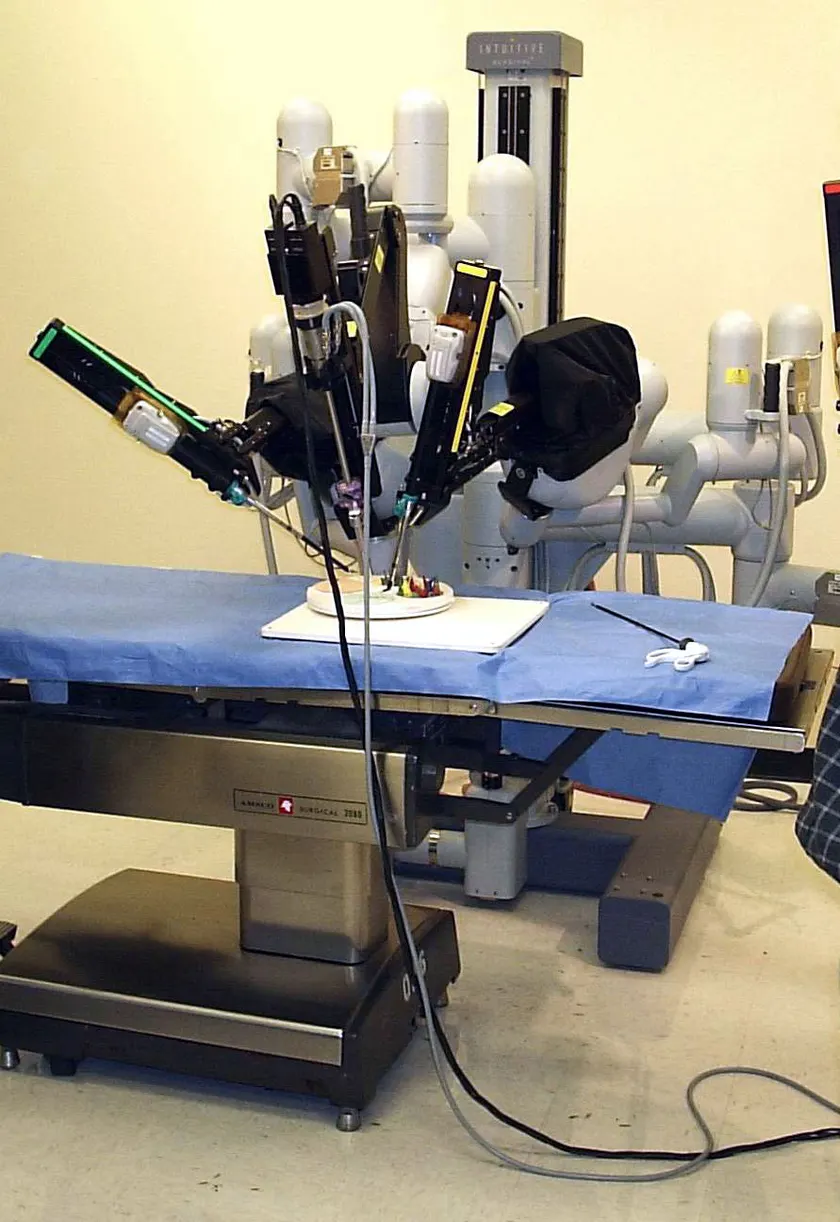 Health & Tech
Glasgow's children's hospital now has a robot used only for young patients
The Royal Hospital for Children bought a Versius Plus after a £1.5 million gift. Surgeons already used it for more than 30 operations in a trial. The hospital says it is the first children's hospital to own this system outright.
Verified · BBC News Health & Tech
The first child treated with this gene therapy is 26 and still using it as proof
Rhys Evans was born without a working immune system and was the first patient in a Great Ormond Street trial in 2001. He is 26. The doctor who treated him says more than 130 people have had the therapy since.
Verified · BBC News