A Bengaluru seed keeper and Meghalaya schools are holding on to rare vegetables
Prabhakar Rao saves hundreds of heirloom varieties at Hariyalee Seeds while markets narrow to a few hybrids. In Meghalaya, a local group has put overlooked vegetables into meals at 26 schools.

Read the original
The reporting lives at Mongabay. Our summary is checked against it, and we link it on every story.
Two practical efforts in India are trying to keep unusual vegetables from slipping out of daily use. Mongabay published the account on October 29, 2026, drawing on reporting by Sharmila Vaidyanathan for Mongabay India. Markets have narrowed around hybrids. Indigenous crops such as the clove bean and the Yerengere white long eggplant have largely vanished from commercial shelves.
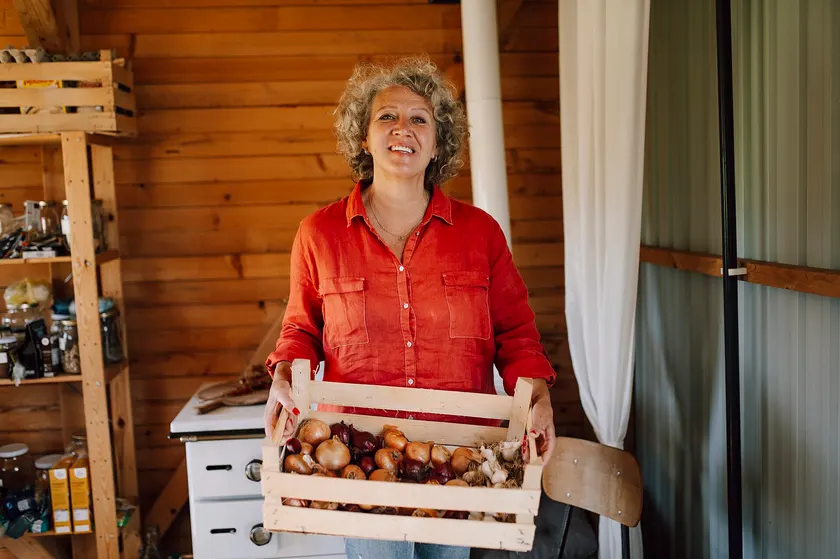
In Bengaluru, natural farmer Prabhakar Rao, founder of Hariyalee Seeds, conserves hundreds of heirloom varieties. He told the reporters that people are eating the same few vegetables and that the loss of variety is happening under the radar. A paper in PNAS in July compiled 1,482 vegetable species and said the true count of local and wild kinds is higher. About 24 percent of the wild relatives of 79 major vegetable species are at risk of extinction. Lead author Maarten van Zonneveld, who heads the gene bank at the International Potato Center in Lima, said many of those species are missing from national and international gene banks, and that the point of saving them is to keep using them.
In Meghalaya, the North East Society for Agroecology Support has put underused wild and regional vegetables into meals at 26 schools. Globally, the WorldVeg Genebank holds more than 65,000 samples, and the Crop Trust has named "opportunity crops" for a harder climate. Colin Khoury of the Crop Trust told Mongabay the task is to prioritize vegetables and to back the small growers and supply lines that can move food that does not look identical. The Bengaluru collection and the 26 school kitchens are the concrete pieces. The species counts describe the wider loss. They are not a harvest figure for this season.
For the classroom
People around the world are eating fewer kinds of vegetables, and some old Indian varieties have almost left the markets. Mongabay reported on October 29, 2026, that the clove bean and the Yerengere white long eggplant are examples. In Bengaluru, farmer Prabhakar Rao keeps hundreds of heirloom kinds of seed at a place called Hariyalee Seeds so they do not disappear. He said the loss is happening quietly, because shoppers see the same few vegetables over and over. In Meghalaya, NESFAS has put overlooked local vegetables into meals at 26 schools, so children eat them and farmers still have a reason to grow them.
- Why does a seed collection matter if a vegetable is hard to find in a shop?
- What is a vegetable your family eats that you have never seen growing?
- How could a school meal help a rare plant stay in use?
For a teacher to read with a class. Print the story of the day · Morning announcements · All classroom stories · This week's Good News Friday pack
Bengaluru, IndiaFarmingSchoolsStudentsGood news on October 29
More good news
Other stories in the same neighborhood of kindness.
 Community
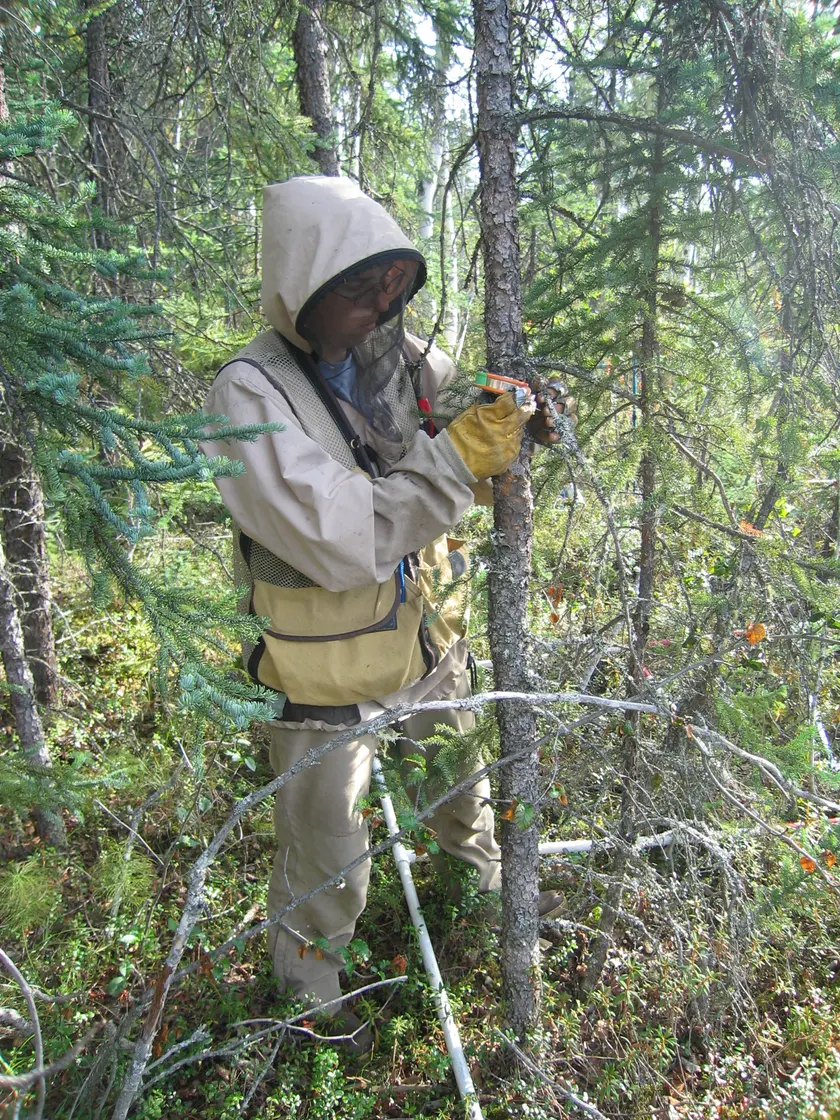
Pune volunteers are mapping riverside trees one weekend at a time
A citizens' group records species, height, and trunk size along the Mula and Mutha with a phone app. The city says it will look at that data when it checks its own tree census.
Verified · Mongabay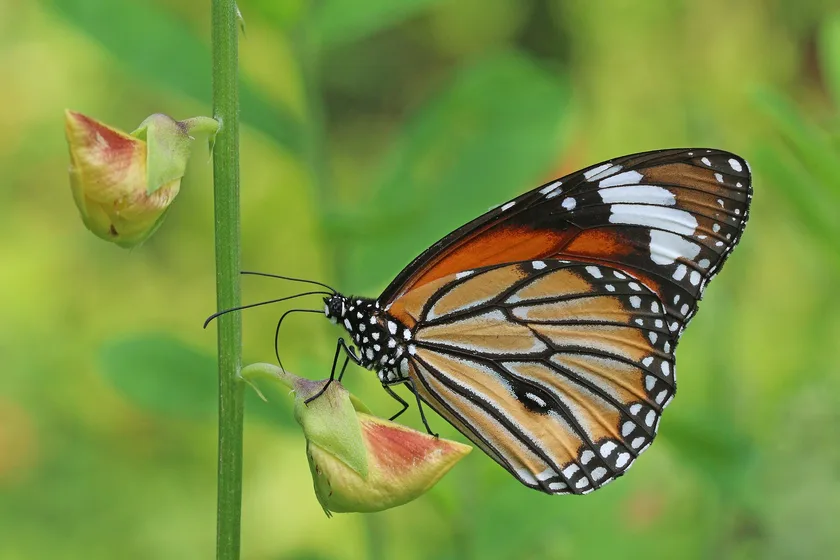 Community
A Bengaluru classroom game follows four butterflies through the monsoon
Nature Classrooms published Monsoon Wings in October. Players move blue tigers, plain tigers, striped tigers, and common crows through a migration scientists still do not fully understand.
Verified · The Hindu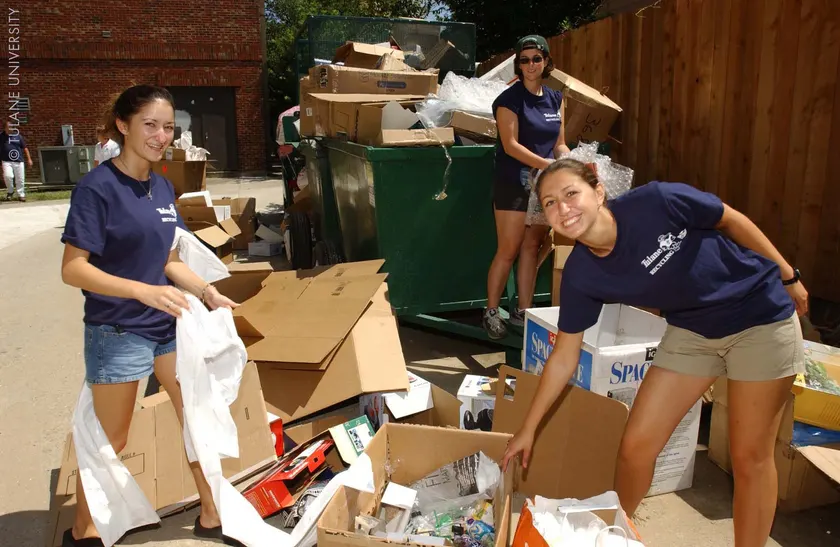 Community
Schools across India collected about 427,000 pieces of electronic waste
The Hindu said 57,271 schools took part in an e-waste drive, with about 3.3 million students and teachers in the sessions and the collection.
Verified · The Hindu