Pune volunteers are mapping riverside trees one weekend at a time
A citizens' group records species, height, and trunk size along the Mula and Mutha with a phone app. The city says it will look at that data when it checks its own tree census.

Read the original
The reporting lives at Mongabay. Our summary is checked against it, and we link it on every story.
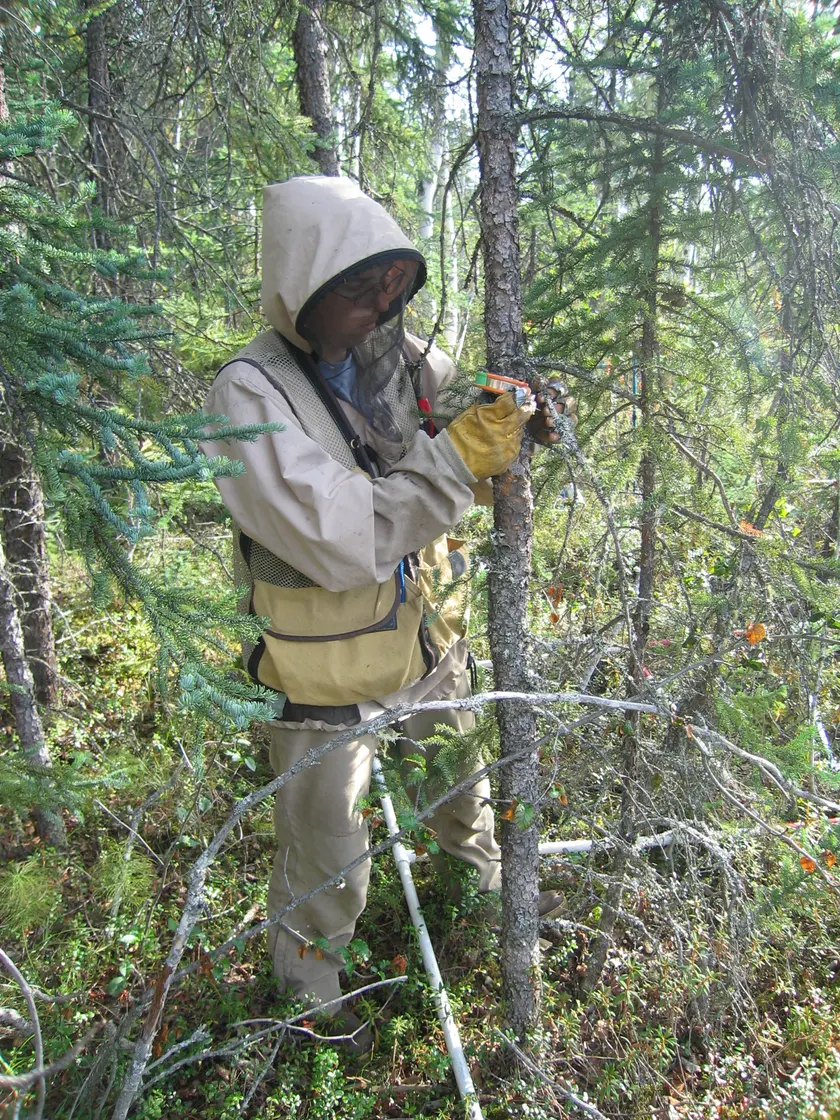
Volunteers in Pune are building a tree-by-tree record of the Mula and Mutha riverbanks, one Saturday at a time. Mongabay reported on October 30, 2026, that Pune River Revival started a more systematic map in 2024 after earlier notes proved too thin. The tool is iNaturalist. People photograph a tree, estimate the height, tape the trunk, and file the point on a project map.
Raghunandan Patil, a volunteer, said the weekend work began as a way to know what was still standing along the rivers. It has also been used when neighbors ask for a count. He told Mongabay that citizen mappers documented more than 500 trees along Ganeshkhind Road in a month after 529 trees there were cut, and that those notes listed 53 species, including banyan, Chinese banyan, weeping fig, and yellow flame tree. On the Saturday Mongabay joined, seven people worked a park at Madhavrao Scindia Garden. Ananya Gandhi, 24, who has mapped the rivers for two years, logged a mature jackfruit.
The group has also documented Ram-Mula Devrai, a sacred grove at the meeting of the Ram and Mula. Official reports cited by Mongabay put about 1,000 heritage trees there, at least 450 plant and animal species, and 160 bird species, including the Bengal monitor and the checkered keelback. Patil said walks, insect outings, and a tree-painting day were offered so the grove could stay a public place without being cleared. Ashok D. Ghorpade, the city's joint municipal commissioner and chief garden superintendent, said the municipal census runs every five years under a 1975 state law, with geo-tagging. He said citizen records can be added if the city's contractor verifies them. Mongabay's account is that offer and those counts. It does not say the riverfront project has been redrawn.
For the classroom
In Pune, India, volunteers spend Saturday mornings writing down the trees along the rivers. Mongabay reported on October 30, 2026, that the group is called Pune River Revival. They bring measuring tapes and phones. An app called iNaturalist keeps the notes: a photo, the kind of tree, how tall it is, and how thick the trunk is. On one Saturday, seven people mapped trees in a park by the Mula River. A volunteer named Ananya Gandhi logged a jackfruit tree. Another day of mapping, done because neighbors asked, recorded more than 500 trees and 53 kinds, including banyan and yellow flame trees. They also recorded a sacred grove, Ram-Mula Devrai, with about 1,000 old trees. The city counts trees every five years and can add citizen notes after a check.
- What four things do the volunteers write down about a tree?
- Why would a photo and a measurement help a tree more than a wish would?
- What is one tree near your school you could measure with a string?
For a teacher to read with a class. Print the story of the day · Morning announcements · All classroom stories · This week's Good News Friday pack
More good news
Other stories in the same neighborhood of kindness.
 Community
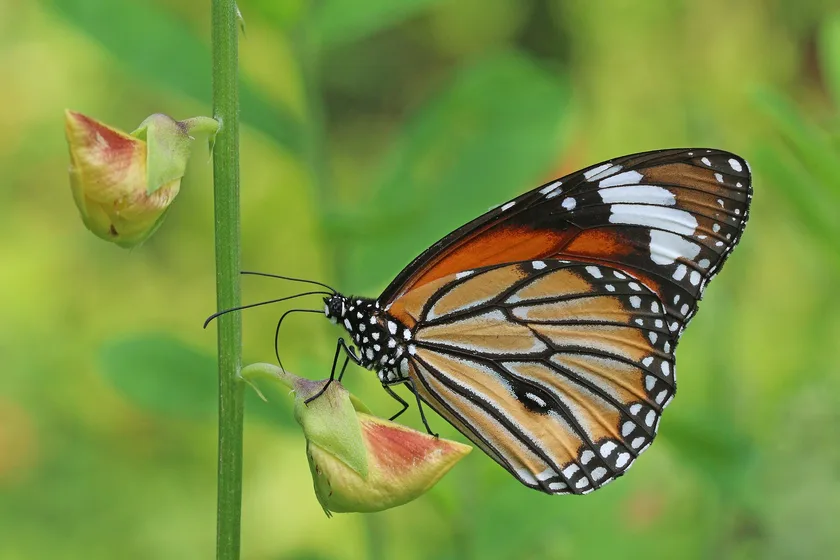
A Bengaluru classroom game follows four butterflies through the monsoon
Nature Classrooms published Monsoon Wings in October. Players move blue tigers, plain tigers, striped tigers, and common crows through a migration scientists still do not fully understand.
Verified · The Hindu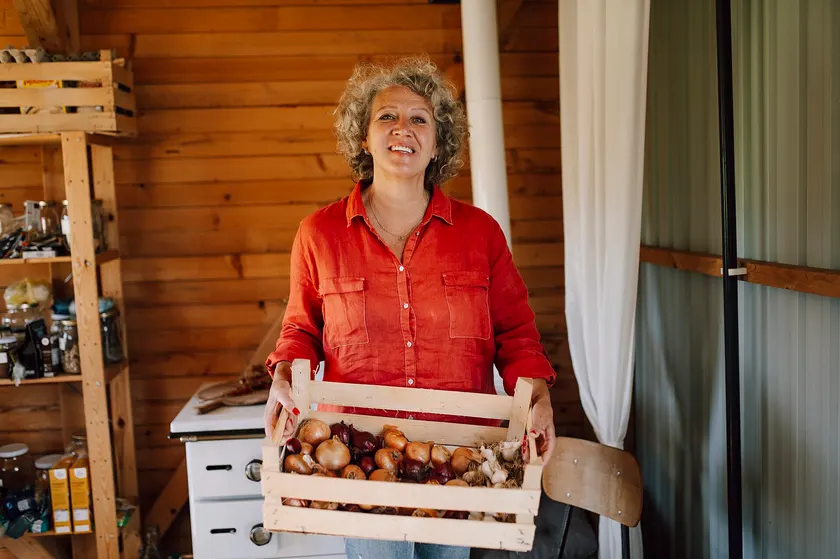 Community
A Bengaluru seed keeper and Meghalaya schools are holding on to rare vegetables
Prabhakar Rao saves hundreds of heirloom varieties at Hariyalee Seeds while markets narrow to a few hybrids. In Meghalaya, a local group has put overlooked vegetables into meals at 26 schools.
Verified · Mongabay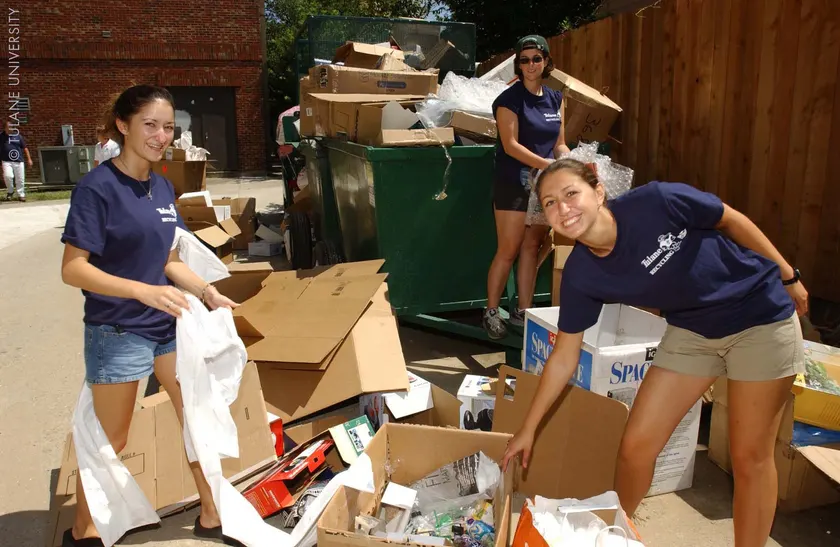 Community
Schools across India collected about 427,000 pieces of electronic waste
The Hindu said 57,271 schools took part in an e-waste drive, with about 3.3 million students and teachers in the sessions and the collection.
Verified · The Hindu