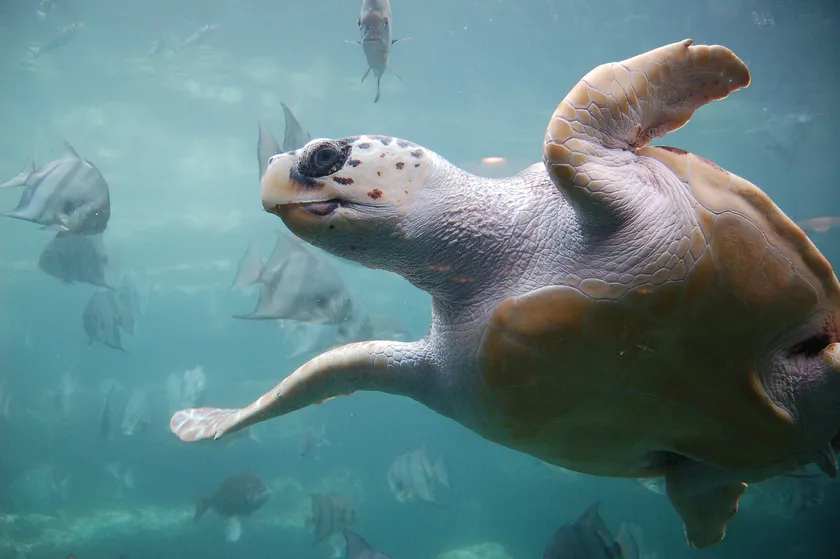
Seven loggerheads raised in Valencia went back to the sea at Benidorm
Schoolchildren watched the turtles enter Poniente Beach after a year and two months of care at Oceanogràfic Valencia.

Read the original
The reporting lives at Cadena SER. Our summary is checked against it, and we link it on every story.
Seven loggerhead sea turtles returned to the Mediterranean at 11:00 on Poniente Beach in Benidorm after a year and two months at Oceanogràfic Valencia. Cadena SER reported the release on October 22, 2026.
The turtles hatched in the early hours of August 7, 2025, on Levante Beach. Of 37 hatchlings, 30 were released hours later at Cala del Tío Ximo. Seven, picked at random, went to the aquarium. Mario Romero of Fundación Oceanogràfic said the point of that year of feeding and care is to send the turtles back larger and stronger.
About 150 primary pupils from Nuestra Señora de los Dolores, CEIP Ausiàs March, and CEIP El Murtal watched, along with staff from Serra Gelada natural park. Teacher Jaime Llorca brought 51 pupils ages 8 and 9. Councillor Mónica Gómez said Benidorm's beaches have been used for nesting in each of the last two years: a 2024 nest on Poniente, and the August 2025 hatch on Levante. Romero said more nests are being found in the Valencian Community, which may have to do with warmer temperatures shifting nesting north and with people reporting what they see.
Anyone who finds a nest is asked to call 112, not to touch the eggs or the animals, and to keep lights and noise down. The release is these seven turtles going back. It is not a census of the nesting beaches.
For the classroom
On October 22, 2026, seven loggerhead sea turtles went back into the sea at Poniente Beach in Benidorm, Spain. They hatched on August 7, 2025, on Levante Beach. Of 37 hatchlings, 30 were released the same day at a nearby cove. Seven, chosen at random, went to an aquarium in Valencia for a year and two months so they could grow larger. About 150 primary pupils came to watch, including a class of 8- and 9-year-olds. Mario Romero of Fundación Oceanogràfic said anyone who finds a nest should call 112, leave the eggs alone, and keep lights and noise down. These are one nest's turtles going home.
- Why might a tiny hatchling have a better chance if it grows larger first?
- What should someone do, and not do, if they find a sea turtle nest?
- What is one way a class could help animals that nest on a beach?
For a teacher to read with a class. Print the story of the day · All classroom stories
More good news
Other stories in the same neighborhood of kindness.
 Science
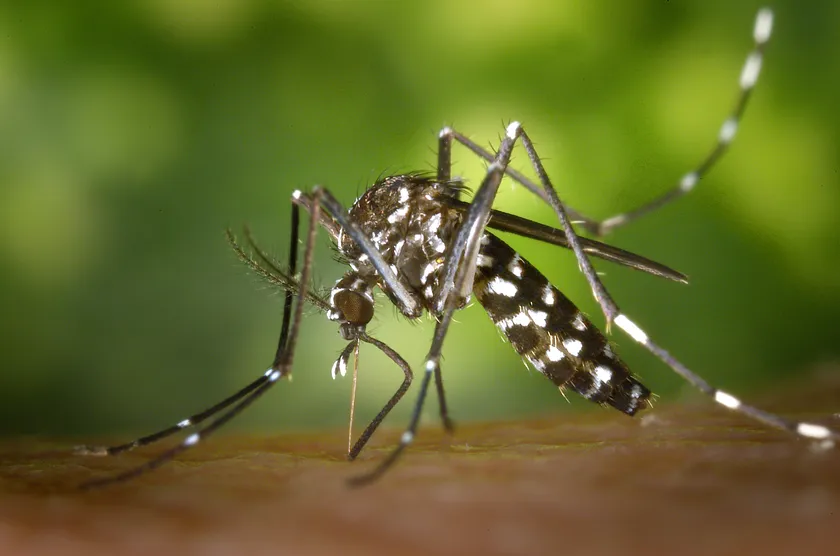
Barcelona is releasing wolbachia mosquitoes that do not bite
The city's public-health agency is letting out 80,000 male tiger mosquitoes a week. The males carry wolbachia so wild females' eggs do not hatch. The trial has not yet reported whether the city's mosquitoes declined.
Verified · El Mundo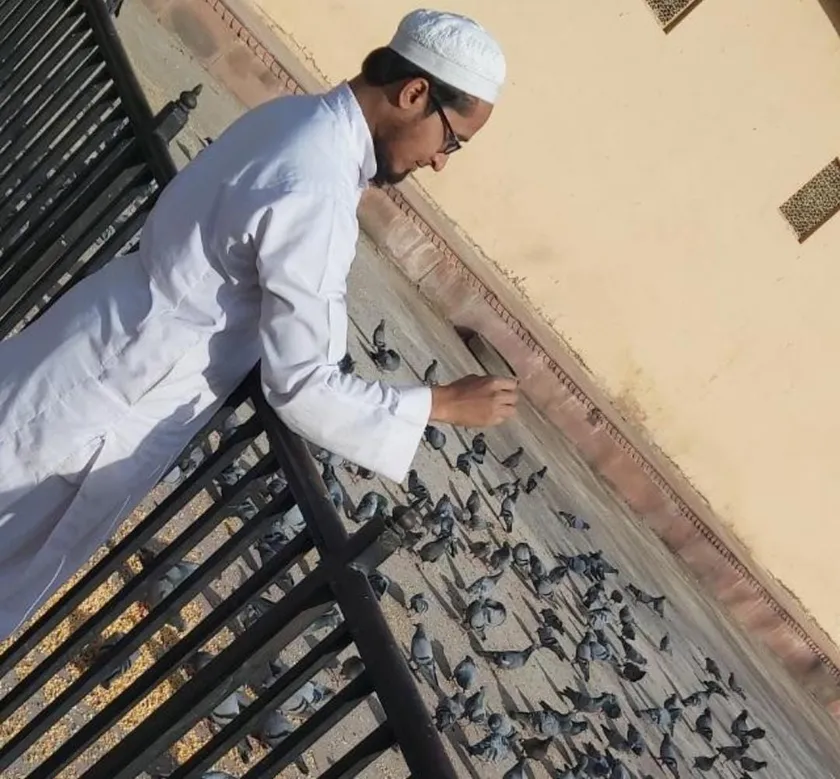 Animals
A Canterbury group is learning to free pigeons from tangled feet
Canterbury and Thanet Stringfoot Pigeons trained this month to remove string and hair from city birds without taking them from their flock.
Verified · BBC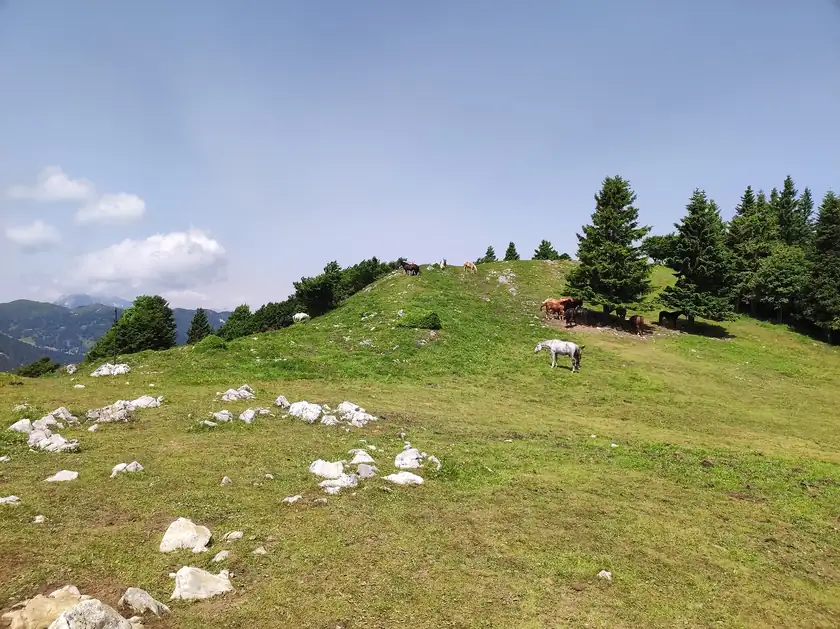 Animals
An Alabama ranch gives frightened horses a second chance
Tyler Isenmann's Best Chance Ranch, in the Birmingham area, rehabilitates horses that were neglected or headed for slaughter and then finds them homes.
Verified · ABC 33/40