A jumping spider in a Bonn study slept in two clear stages
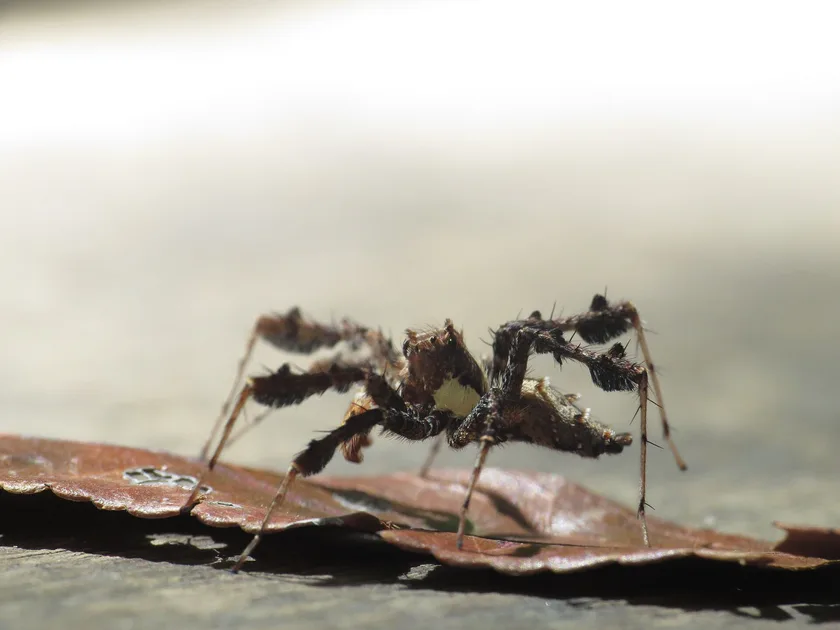
Video of Portia fimbriata, published in PNAS, showed a still phase and a later one with eye movements and twitching legs. The spiders were slower to wake from the still phase.

Read the original
The reporting lives at ABC Science. Our summary is checked against it, and we link it on every story.
A jumping spider from northern Australia sleeps in at least two stages, including one that looks a lot like the rapid-eye-movement sleep of vertebrates. ABC Science reported on October 27, 2026, on a study of Portia fimbriata published that day in Proceedings of the National Academy of Sciences.
Daniela Rößler, a behavioural ecologist at the University of Bonn and a co-author, said the night split into a still, or quiescent, phase and a later REM-like phase. In the first, the spiders groomed and slowly drooped in their upside-down resting webs. In the second, cameras caught leg curls, eye movements, and twitching. Co-author Nadja Geiger said the species is diurnal, highly visual, and easy to score because its night posture is so clear. When the team played a loud noise, spiders in the still phase took longer to respond than awake spiders, which is one of the standard signs of sleep.
Rößler said the pattern is closer to vertebrate sleep than anyone expected. The paper does not claim the spiders dream. It is a behavioural case, filmed in the lab, and the team has said the next question is how the same spiders sleep in the wild.
For the classroom
Portia fimbriata is a small jumping spider from northern Australia. It sleeps upside down in a little web. ABC Science reported on October 27, 2026, that researchers, including Daniela Rößler at the University of Bonn in Germany, filmed these spiders all night. The paper is in the journal PNAS. The spiders had two kinds of sleep. In one they were still and groomed themselves. In another, their eyes moved and their legs twitched. A loud noise woke the still spiders more slowly. The scientists did not say the spiders were dreaming.
- What did the spiders do during each of the two sleep stages?
- How did the scientists check that the spiders were really asleep?
- Portia lives in northern Australia, and the lab work was in Germany. Why might scientists study an animal far from where it lives?
For a teacher to read with a class. Print the story of the day · Morning announcements · All classroom stories · This week's Good News Friday pack
Bonn, GermanySTEMWildlife conservationGood news on October 27
More good news
Other stories in the same neighborhood of kindness.
 Science
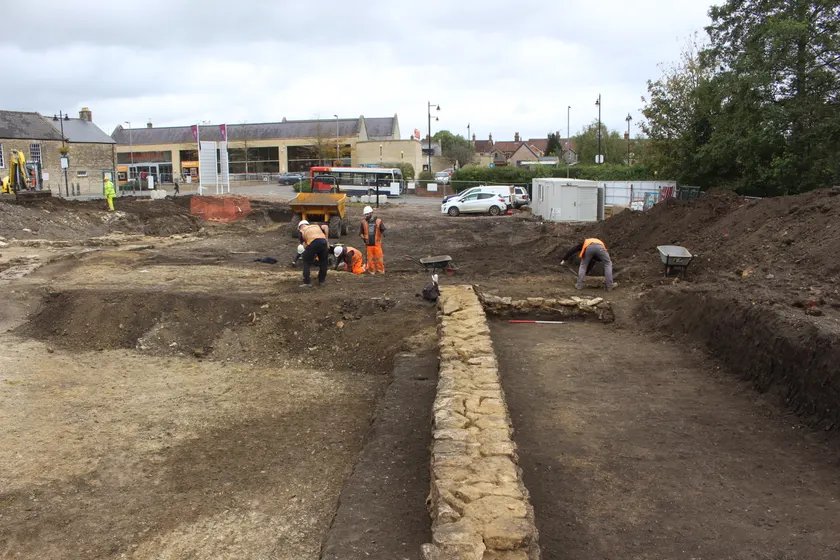
Archaeologists found a Roman temple just under a Taunus forest floor
The small temple beside the Kapersburg fort was only inches underground. An inscription suggests it was dedicated to Mars, and a figurine is likely Victoria.
Verified · Smithsonian Magazine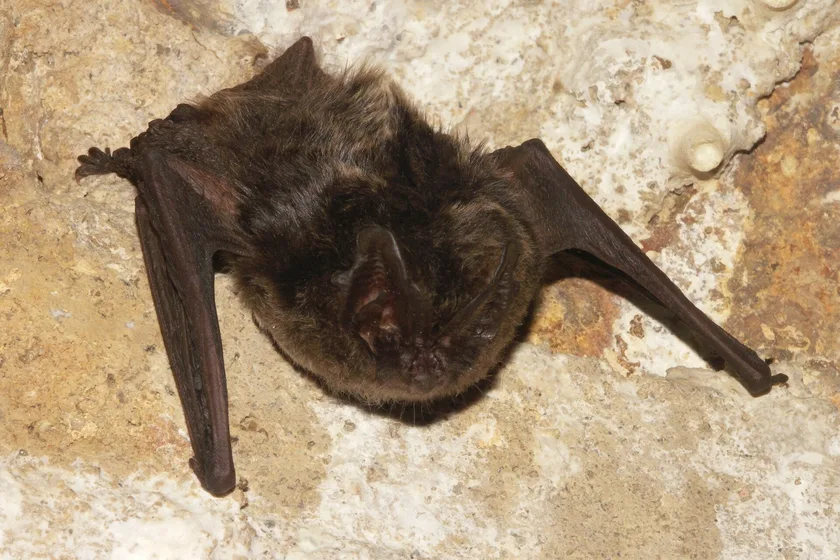 Science
Recorders left in 310 woodlands caught 98 million bat calls
Scientists say Britain's largest woodland bat survey would have taken more than 30 years to listen through without AI. Rare barbastelles showed up in the south-west.
Verified · BBC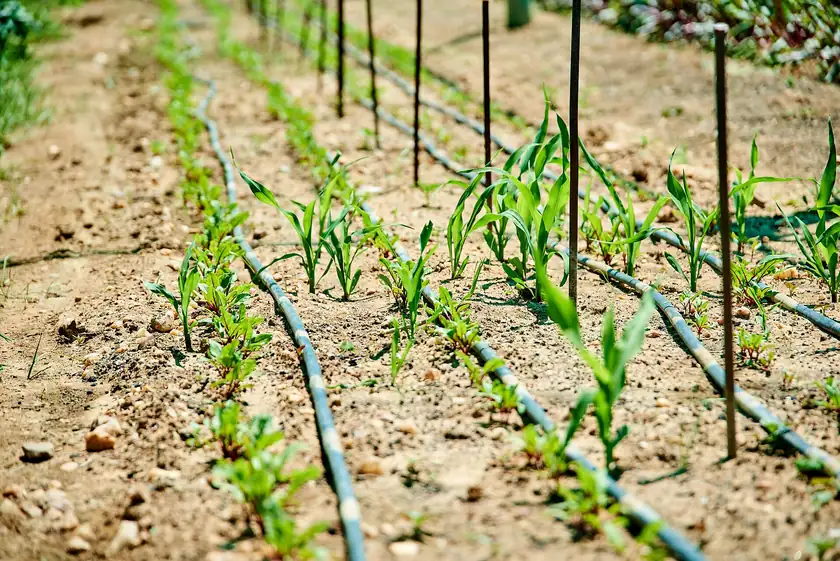 Science
A Fort Collins nursery is being rebuilt to grow up to 2 million seedlings a year
More than $15 million in state and federal money is modernizing the Colorado State Forest Service nursery on CSU's Foothills Campus so it can supply trees and shrubs for wildfire recovery, watersheds, and habitat.
Verified · The NoCo Herald