Recorders left in 310 woodlands caught 98 million bat calls
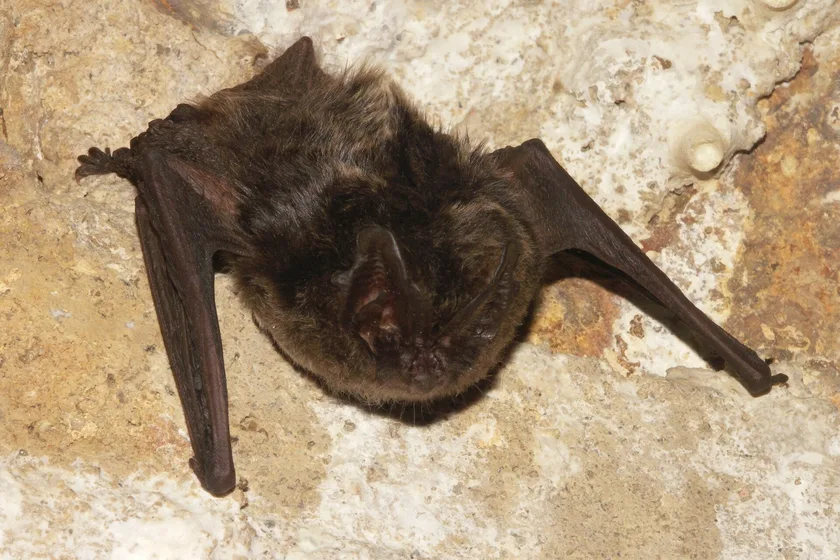
Scientists say Britain's largest woodland bat survey would have taken more than 30 years to listen through without AI. Rare barbastelles showed up in the south-west.

Read the original
The reporting lives at BBC. Our summary is checked against it, and we link it on every story.
Britain's largest woodland bat survey logged 98 million calls, and the scientists who ran it say they could not have listened through that pile without computers. The BBC reported on October 30, 2026, that devices on poles in 310 woodlands recorded the calls over three years. Working through them by hand would have taken more than 30 years.
Kate Jones, of University College London, said the open-source tools changed the scale of wildlife monitoring and called the project a nice story of that technology used well. The red-listed barbastelle, one of Britain's rarest bats, showed up in the south-west, including Somerset, Devon, Cornwall, and Dorset. Lia Gilmour of the Bat Conservation Trust, which ran the work with Forest Research, called the survey unprecedented and said Somerset had strong activity.
The calls are a map of where bats were heard. They are not a promise that every wood is safe for them.
For the classroom
Bats hunt with sounds people usually cannot hear. The BBC reported on October 30, 2026, that researchers left listening devices in 310 woodlands and recorded 98 million bat calls over three years. Listening to every call by ear would have taken more than 30 years, so computers sorted them. Kate Jones, at University College London, called that a good use of the tools. A rare bat, the barbastelle, was heard in south-west England, including Somerset, Devon, Cornwall, and Dorset. The numbers show where bats were heard. They do not say every wood is full of bats.
- Why couldn't a person listen to all 98 million calls one by one?
- What is one reason a woodland is a good place for bats?
- Where in England did the rare barbastelle show up?
For a teacher to read with a class. Print the story of the day · Morning announcements · All classroom stories · This week's Good News Friday pack
London, United KingdomWildlife conservationSTEMGood news on October 30
More good news
Other stories in the same neighborhood of kindness.
 Science
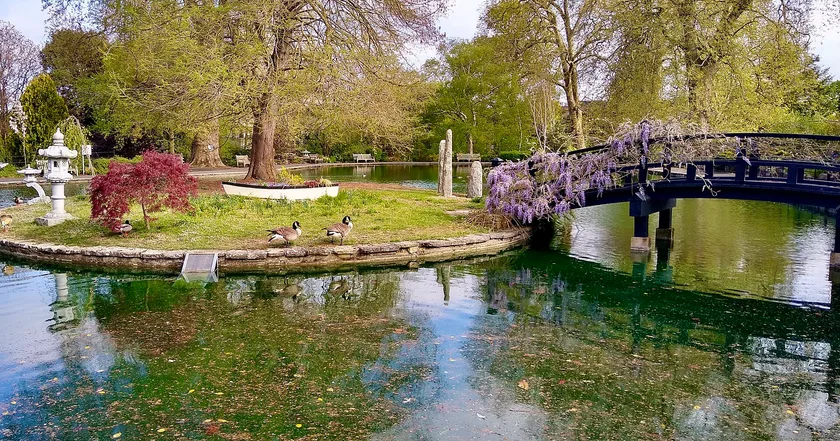
Sensors in Guildford showed how far a park cools the streets
Two studies from the town's sensor network found Stoke Park and other green spaces cut heat, noise, and air pollution, with the benefit fading about every 100 metres.
Verified · Mongabay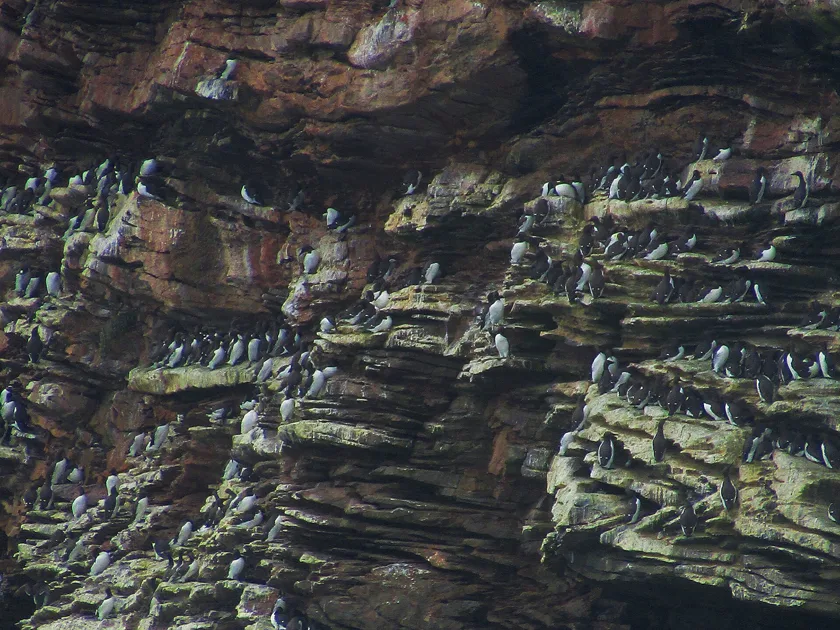 Science
Eye buoys and kites cut seabird deaths in Cornish fishing nets
A 17-month trial off Cornwall found predator-shaped kites and spinning eye buoys lowered the odds that diving birds would be caught in gillnets.
Verified · Mongabay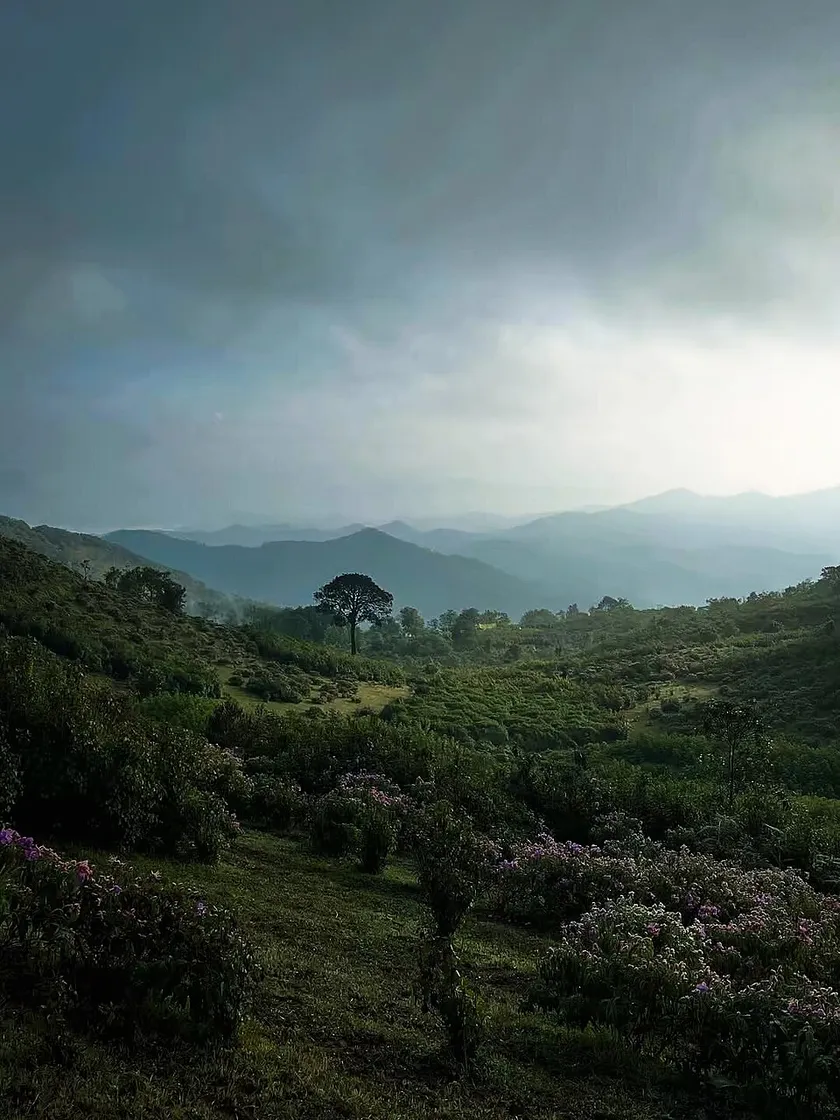 Science
Upper Teesdale's rare alpine plants get three years of seed funding
A local trust received £65,000 to collect seed from arctic-alpine plants and put it back on the fells with volunteers.
Verified · BBC