Barbados met the test for ending mother-to-child HIV transmission
WHO said that from 2022 through 2024 no infant in Barbados was reported to have acquired HIV from a mother. The certification is not the end of HIV in the country.

Read the original
The reporting lives at World Health Organization. Our summary is checked against it, and we link it on every story.
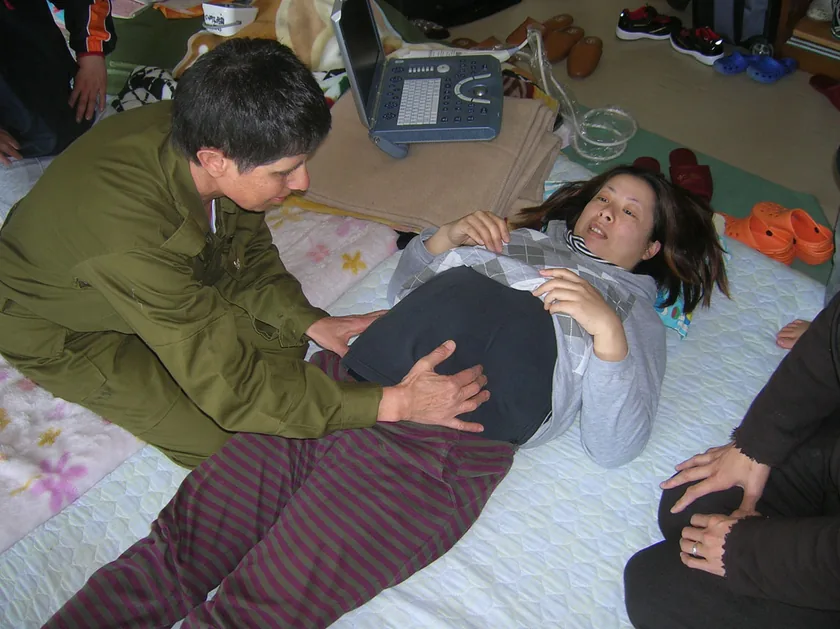
Barbados has eliminated mother-to-child transmission of HIV as a public health problem, the World Health Organization said on October 30, 2026. An independent assessment found that from 2022 through 2024 no infant born in Barbados was reported to have acquired HIV from a mother. In those three years, 98 percent of pregnant women received antenatal care, 98 percent were tested for HIV, and 98 percent of pregnant women living with HIV received antiretroviral treatment.
WHO Director-General Tedros Adhanom Ghebreyesus said the result shows free care for every pregnant woman, regardless of nationality, with testing that stays voluntary and private. Pan American Health Organization director Jarbas Barbosa called it proof that the transmission can be stopped when women and children can reach services. Queen Elizabeth Hospital accounts for about 93 percent of births. Barbados is now among 26 countries and territories recognized for eliminating mother-to-child transmission of HIV, syphilis, or hepatitis B, or for being on track. Fifteen of those are in the Americas. The certification does not mean HIV is gone from Barbados. WHO said the country still needs continued funding, updated guidelines, stronger records, wider HIV and syphilis testing, and better follow-up for women and children if the result is going to hold.
Bridgetown, BarbadosPublic healthMedical researchGood news on October 30
More good news
Other stories in the same neighborhood of kindness.
 Health & Tech
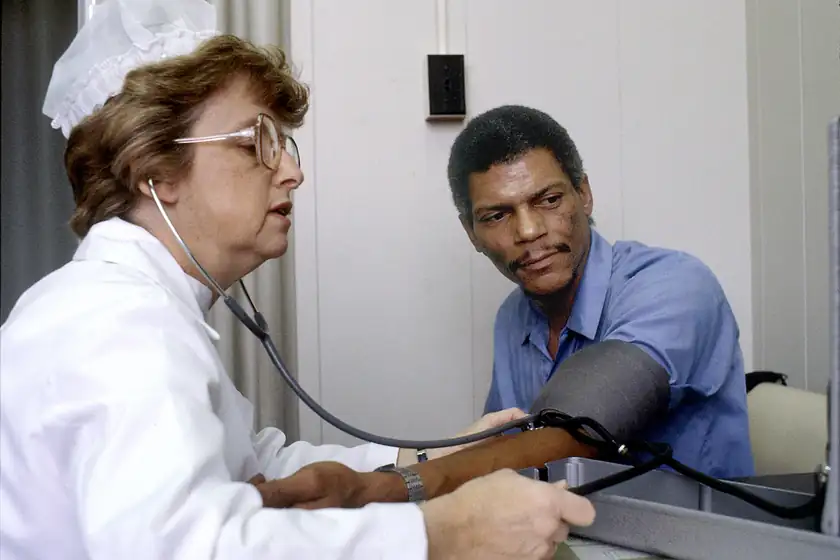
A lower blood-pressure target cut repeat heart and stroke events
In the randomized OPTIMAL-Stroke trial of 4,368 people, a systolic target below 120 instead of 140 lowered major cardiovascular events by about 21 percent over four years. Kidney-related events rose.
Verified · American Heart Association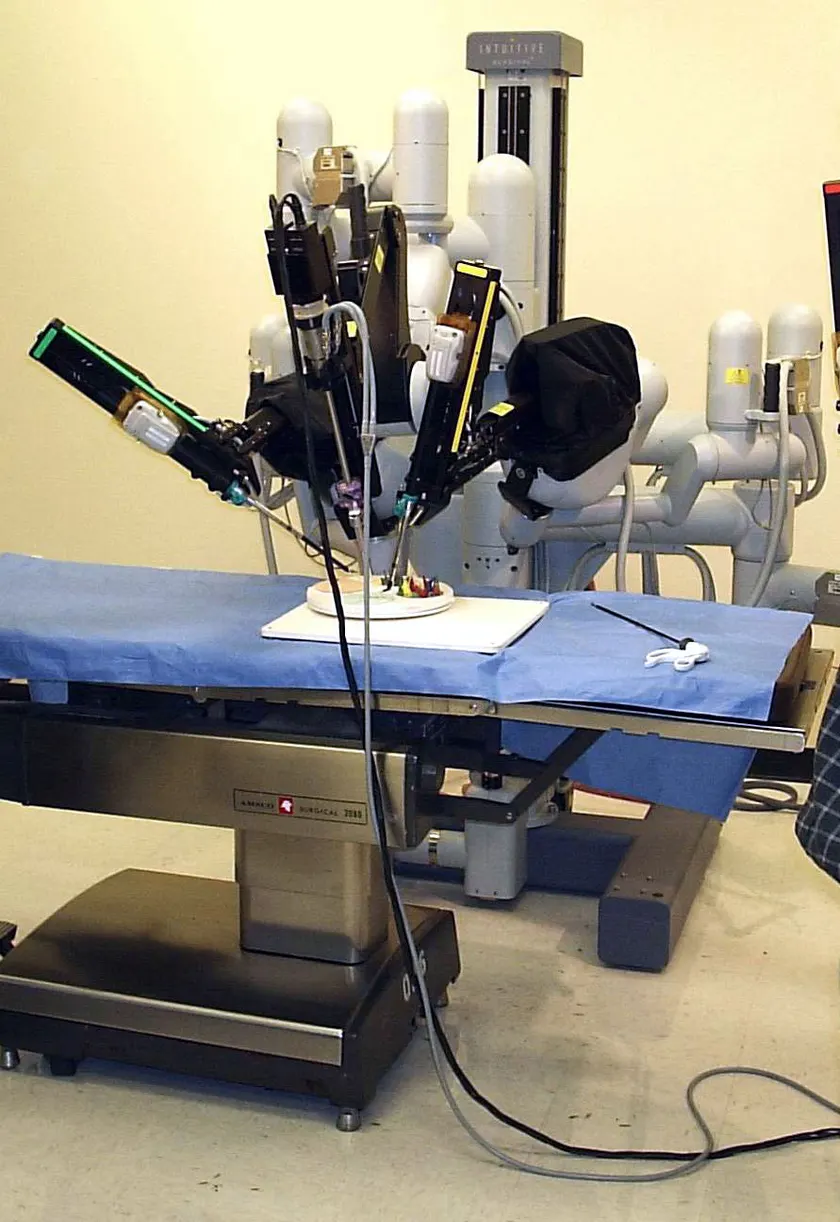 Health & Tech
Glasgow's children's hospital now has a robot used only for young patients
The Royal Hospital for Children bought a Versius Plus after a £1.5 million gift. Surgeons already used it for more than 30 operations in a trial. The hospital says it is the first children's hospital to own this system outright.
Verified · BBC News Health & Tech
The first child treated with this gene therapy is 26 and still using it as proof
Rhys Evans was born without a working immune system and was the first patient in a Great Ormond Street trial in 2001. He is 26. The doctor who treated him says more than 130 people have had the therapy since.
Verified · BBC News