Five Calabar students have graduated from a gorilla research scholarship
A five-year program funded by Canada's Wilder Institute supported six University of Calabar students. One master's student is still finishing. Researchers say it is too early to measure any change in the gorilla population.

Read the original
The reporting lives at The Guardian Nigeria. Our summary is checked against it, and we link it on every story.
Six postgraduate students at the University of Calabar have been through a scholarship aimed at the Cross River gorilla, and five of them have graduated. The Guardian Nigeria reported on November 3, 2026, from the project's closing study-committee meeting in Calabar. The Nigerian Conservation Foundation and partners put about 200,000 Canadian dollars into the five-year Community Conservation Graduate Student Scholarship Programme, funded by the Wilder Institute in Canada. The group was one PhD student and five master's students. Funding covered tuition, housing, living costs, and medical care. Students also joined exchanges in Ghana and a conference in Lagos.
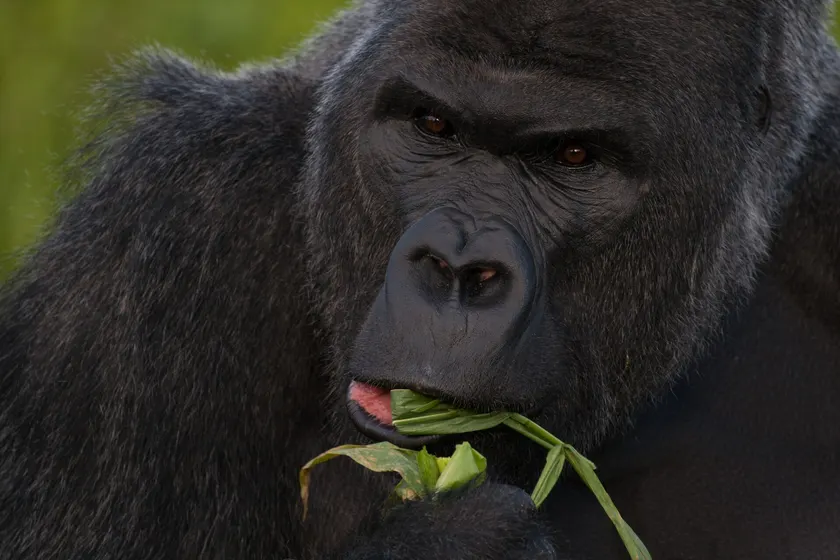
Adedamola Ogunseyan, the foundation's director of technical programmes, said the research looked at gender, land-cover change, and environmental damage in the Afi Mountains and the wider gorilla landscape. He described the Cross River gorilla as a subspecies found only in Cross River State and parts of Cameroon. Andrew Macintosh, a senior scientist at the Wilder Institute, said it is too early to know whether the program has changed the gorilla population, and that conservation still needs long monitoring and community work. Blessing Ntamu, who coordinated the project at the university, said one PhD student and four master's students have graduated, and that the remaining master's student is expected to finish before the end of the year. She also pointed to camera documentation of a Cross River gorilla in the wild, described as the first in decades. The university said it will press for the students' recommendations to be considered. The news is this finished round of scholarships and that camera record. It is not a new population count.
Calabar, NigeriaScholarshipsStudentsWildlife conservationGood news on November 4
More good news
Other stories in the same neighborhood of kindness.
 Community
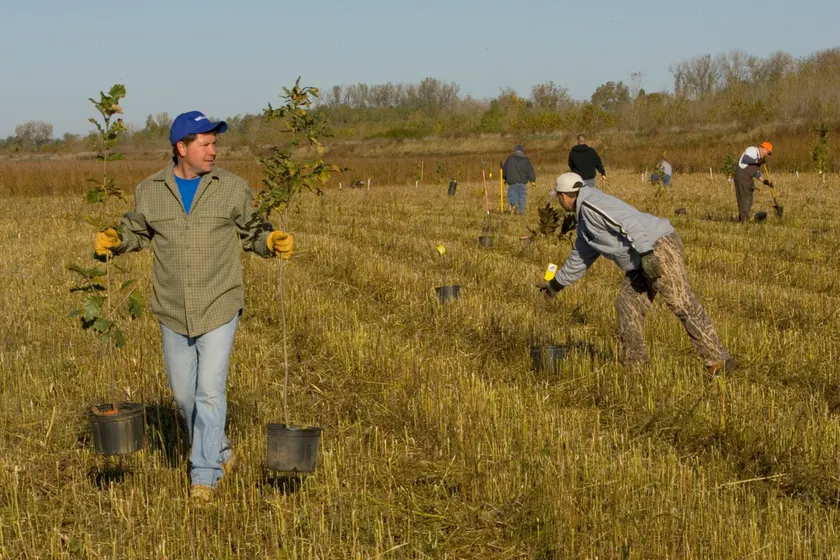
Sixty fruit trees went into the ground for shade in Minna
The Leprosy Mission Nigeria and partners planted 20 orange trees, 20 mango trees, and 20 palms at the community in Niger State. Residents said they wanted shade close to home.
Verified · Punch Community
Primary teachers in Nigeria and Rwanda finished a digital-teaching fellowship
Prikkle Academy, based in Afon, graduated 15 Nigerian primary teachers and one Rwandan teacher after eight sessions on classroom tools, code clubs, and local projects.
Verified · The Guardian Nigeria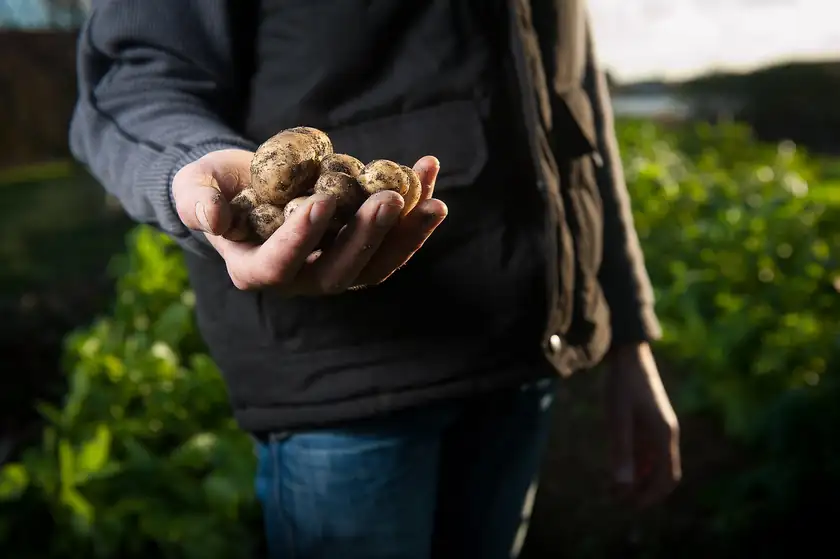 Community
Denver's Potatopalooza gives away 80,000 pounds of potatoes
We Don't Waste handed out 80,000 pounds of free potatoes from its Park Hill warehouse, nearly double a July giveaway. The group moves rescued food to more than 190 nonprofits.
Verified · Denver7