TodayHealth & TechUnited Kingdom
A personalised melanoma vaccine cut the risk of cancer returning in a large trial
In 1,137 adults, Intismeran plus immunotherapy lowered the chance of death or melanoma returning by 42 percent at two years. It is not approved, and the results are not peer-reviewed yet.

Read the original
The reporting lives at BBC News. Our summary is checked against it, and we link it on every story.
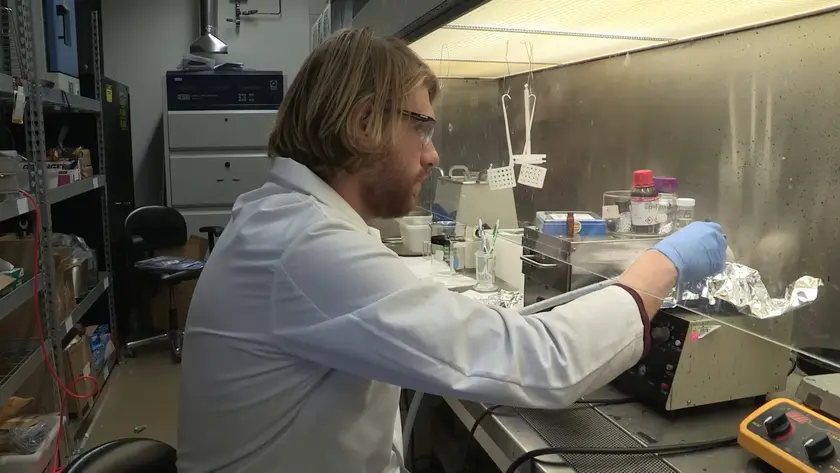
A personalised mRNA vaccine, Intismeran, added to the immunotherapy Keytruda, cut the risk of dying or of melanoma returning by 42 percent at two years, compared with Keytruda alone. BBC News reported the trial on October 23, 2026. The risk of the cancer spreading was 38 percent lower.
The study followed 1,137 adults after surgery for melanoma. About two-thirds received the vaccine, which is built from the genetics of a person's tumour, and the rest received a placebo. Professor Pippa Corrie at Addenbrooke's Hospital in Cambridge ran part of the study. Tony Chapman, 75, of Corby, joined after a melanoma removed in 2019 returned in a lymph node and was operated on again. He does not know whether he received the vaccine or the placebo. Three years on, his six-month checks have found no cancer.
The results were due to be presented at the ESMO meeting in Madrid on October 24. They have not been peer-reviewed. Professor Alan Melcher of the Institute of Cancer Research, who was not part of the trial, called it an impressive proof of principle and said it cannot be assumed to work for every cancer. Longer follow-up is still needed for overall survival. The vaccine is not approved. MSD and Moderna are talking with regulators, and a filing next year is possible. Use on the NHS would also depend on cost. What this trial shows is a lower risk of return or death, at two years, in this group of adults with melanoma.
More good news
Other stories in the same neighborhood of kindness.
 Community
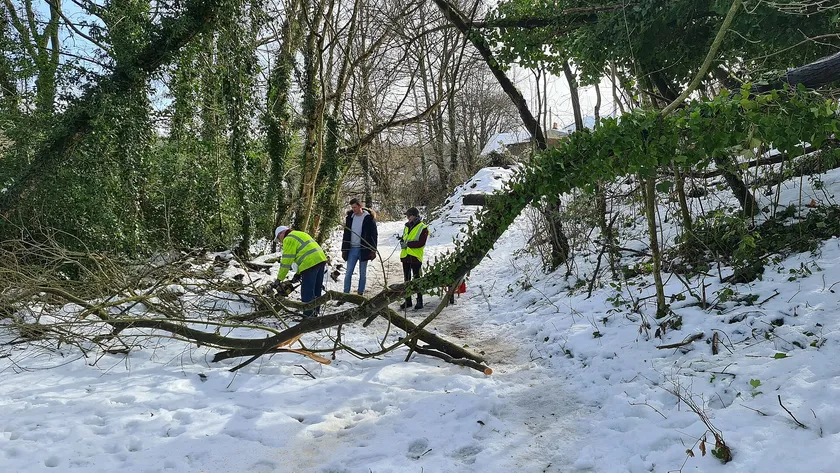
Neighbors spent two days opening up a choked woodland in Greenham
Volunteers cut rhododendron and cherry laurel from an eight-acre wood near Newbury so light can reach the ground again.
Verified · BBC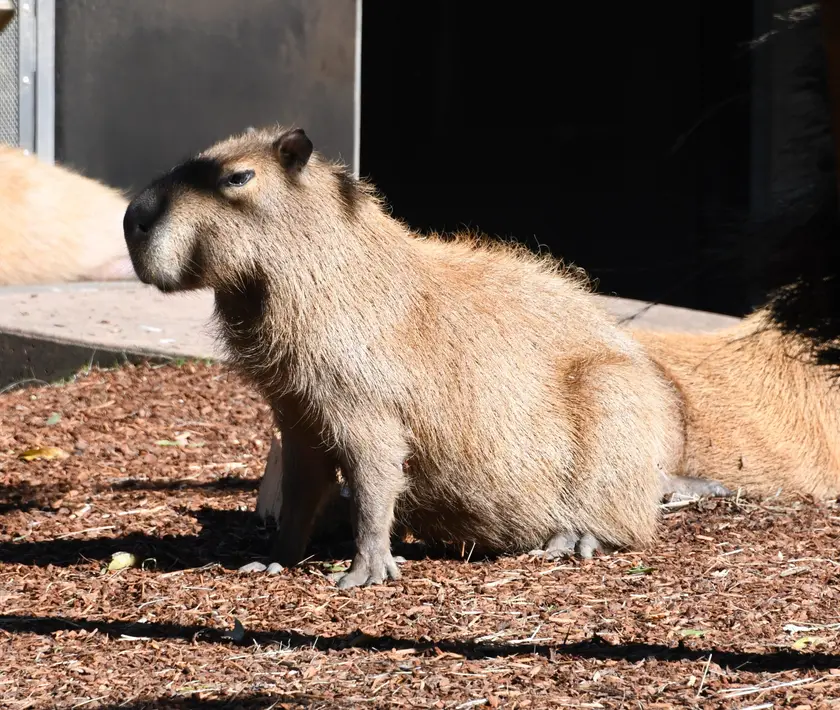 Animals
Pepita the capybara had four pups overnight at Shepreth Wildlife Park
The Cambridgeshire park said the pups arrived on the night of October 15. Once their sexes are known, visitors will help give them food-inspired names.
Verified · BBC News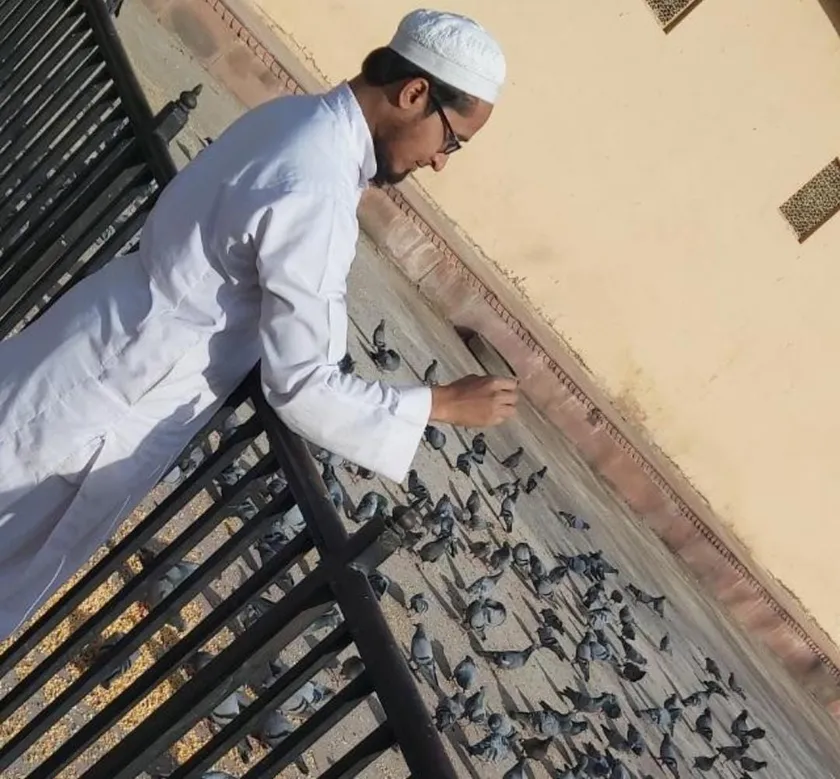 Animals
A Canterbury group is learning to free pigeons from tangled feet
Canterbury and Thanet Stringfoot Pigeons trained this month to remove string and hair from city birds without taking them from their flock.
Verified · BBC