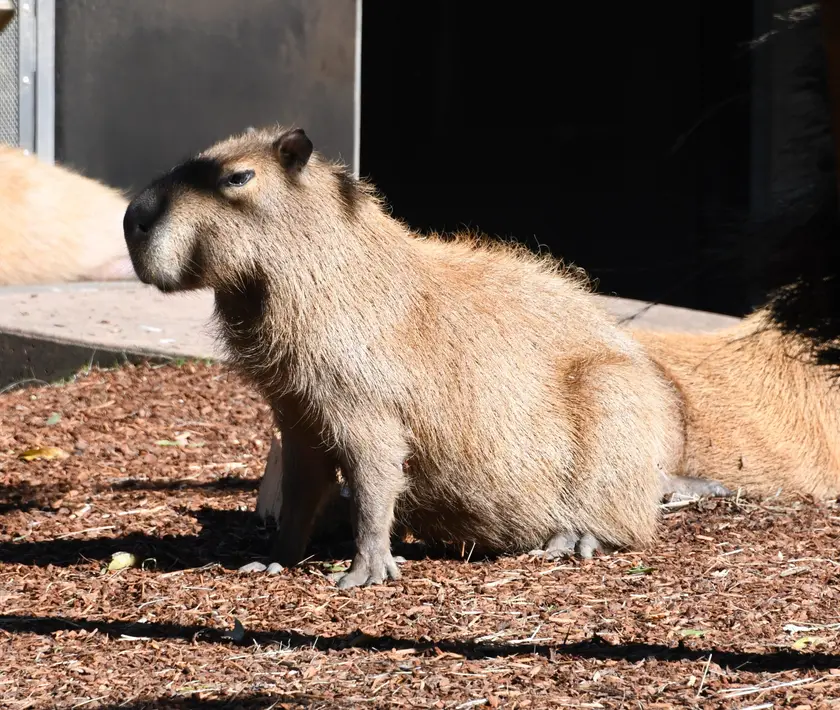
Pepita the capybara had four pups overnight at Shepreth Wildlife Park
The Cambridgeshire park said the pups arrived on the night of October 15. Once their sexes are known, visitors will help give them food-inspired names.

Read the original
The reporting lives at BBC News. Our summary is checked against it, and we link it on every story.
Four capybara pups were born overnight on October 15 to Pepita at Shepreth Wildlife Park in Cambridgeshire. BBC News reported the births on October 23, 2026.
Litters are typically four to eight, so this one sits at the small end of the usual range. The park said that once the pups' sexes are known, the public will help name them. Youngsters in the Shepreth capybara family are traditionally given names drawn from Latin American foods. Those names are not chosen yet.
This is a separate birth from the eight pups reported the same month at Curraghs Wildlife Park on the Isle of Man. The parks, the dates, and the numbers are different.
For the classroom
BBC News reported on October 23, 2026, that four capybara pups were born at Shepreth Wildlife Park in Cambridgeshire. They arrived during the night on October 15. Their mother is Pepita. Capybaras are from South America, they are the world's largest rodent, and they can grow to about 1.3 metres. A litter is usually four to eight pups, so four is a typical size. The park said that once it knows whether the pups are male or female, it will ask the public to help name them. Young capybaras at Shepreth are traditionally given names inspired by Latin American foods. The names have not been chosen yet.
- What would be a good food name for a capybara, and why?
- Why do keepers wait to learn an animal's sex before they name it?
- How is this birth different from another zoo welcoming pups in the same month?
For a teacher to read with a class. Print the story of the day · All classroom stories
More good news
Other stories in the same neighborhood of kindness.
 Animals
A Canterbury group is learning to free pigeons from tangled feet
Canterbury and Thanet Stringfoot Pigeons trained this month to remove string and hair from city birds without taking them from their flock.
Verified · BBC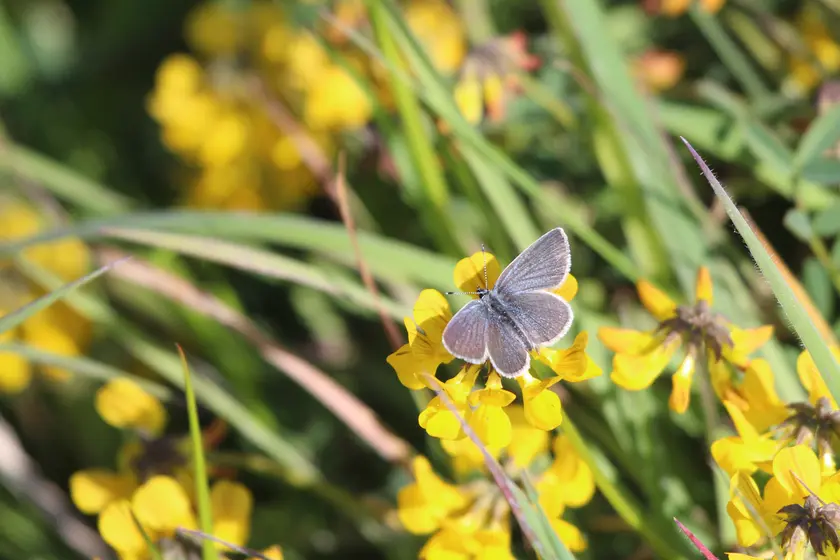 Animals
Thousands of butterflies turned up on restored West Sussex farmland
Counters recorded 5,290 butterflies on former wheat fields at Halnaker Hill, including small blues and dingy skippers never seen there before.
Verified · The Guardian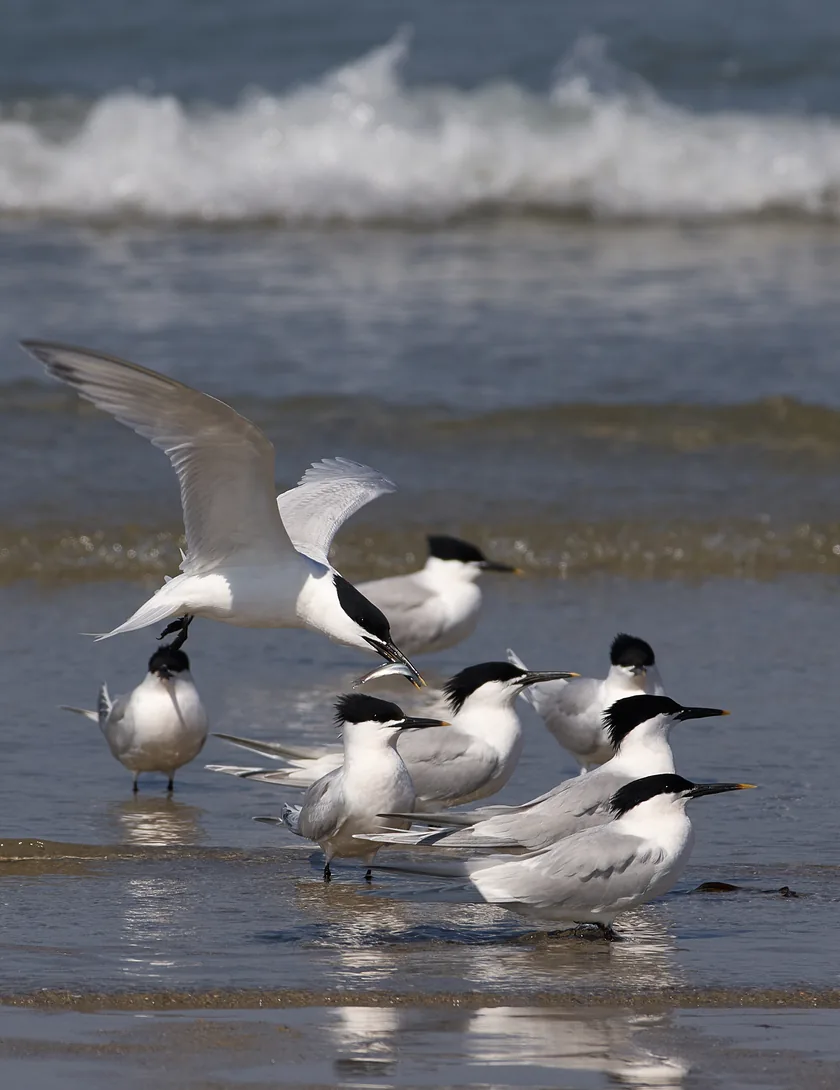 Animals
Sandwich terns returned to Pagham Harbour after bird flu
A colony wiped out in 2022 had 756 breeding pairs this year, and 570 chicks fledged, after staff and volunteers rebuilt nesting space on the Solent.
Verified · The Guardian