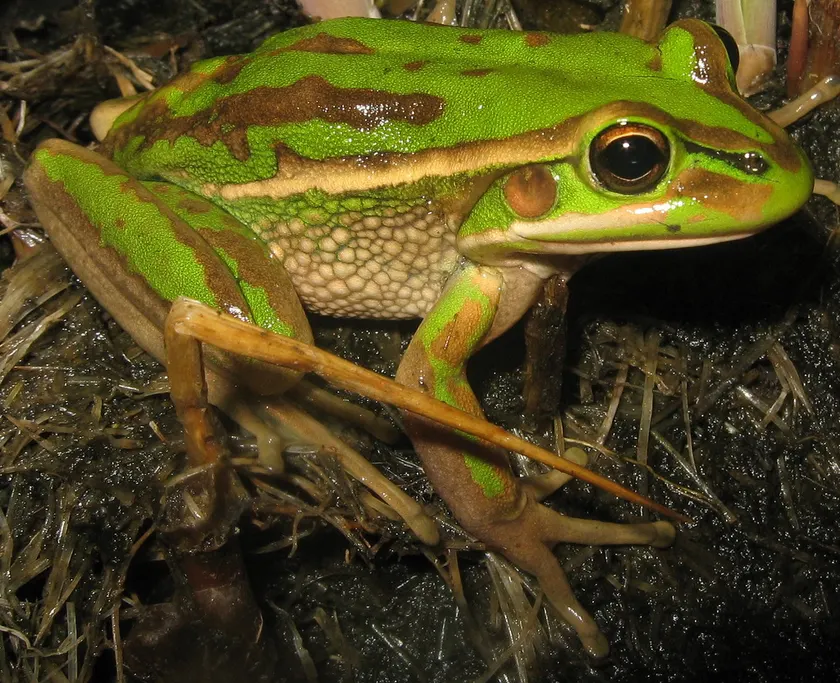
Green and golden bell frogs are back in the ponds at Carwoola
University of Canberra researchers released the frogs at their last upland stronghold on November 17. The count of animals let go was not published, and it is too soon to know if they will breed there.

Read the original
The reporting lives at University of Canberra. Our summary is checked against it, and we link it on every story.
University of Canberra researchers released green and golden bell frogs at Carwoola, New South Wales, on the morning of November 17, 2026. The university said this was the species' last upland stronghold, and that the last known animals there were seen in 2021. Chytrid fungus has driven declines in hundreds of frog species. The Carwoola work, led by Simon Clulow and Richard Duncan of the university with Ben Scheele of the Australian National University, will use lab immunization, frog saunas, and salted satellite ponds. A $200,000 grant from the NSW Environmental Trust's research program is paying for the project, with Symbio Zoo and the Mulloon Institute as partners. The release note does not say how many frogs went into the water.
Postdoctoral researcher Milad Esmaeilbeigi said his work supports the idea that slightly elevated metals from the old Captain's Flat mine upstream inhibit the fungus without harming the frogs. That is a hypothesis about why frogs lasted here, not a result measured on today's release. Clulow also said frogs released in the Australian Capital Territory in February, where the species had been gone since the 1980s, survived their first winter and are entering breeding season. Survival through a winter is a milestone for those ACT frogs. It is not yet news from Carwoola.
For the classroom
The University of Canberra said on November 17, 2026, that researchers put green and golden bell frogs back into ponds at Carwoola, in New South Wales. The last wild frogs known there were seen in 2021. A fungus called chytrid has harmed frogs in many countries. The team is trying warm shelters, called saunas, salty side ponds, and frogs that were immunized in the lab. A researcher thinks metals from an old mine may also slow the fungus. That is his theory. The university did not say how many frogs were released. Frogs released in the Australian Capital Territory in February did live through their first winter.
- Why would a frog need a warm spot if a fungus likes cold, wet weather?
- What would you want to know next winter before you called this release a success?
For a teacher to read with a class. Print the story of the day · Morning announcements · All classroom stories · This week's Good News Friday pack
Carwoola, AustraliaWildlife conservationAnimal rescueGood news on November 17
More good news
Other stories in the same neighborhood of kindness.
 Animals
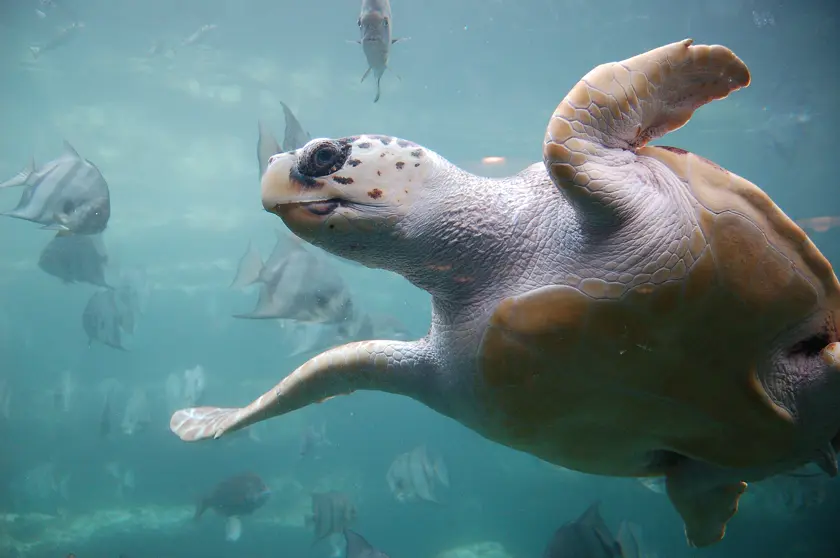
A volunteer drove a stranded loggerhead nearly 700 kilometres to care
ABC News reported that the juvenile, nicknamed Shaggy for the algae on its shell, was found floating in seaweed off Esperance and is expected to stay in care until April.
Verified · ABC News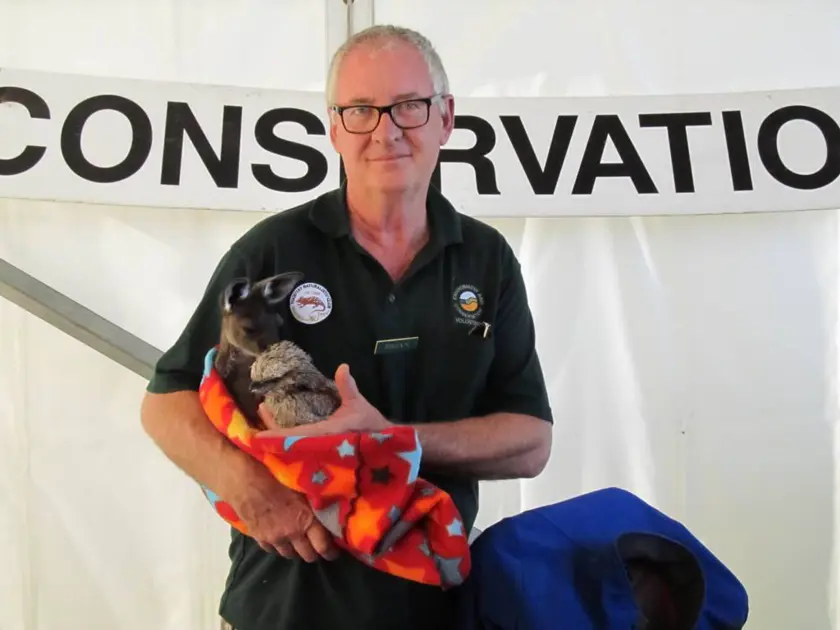 Animals
Margaret River's wildlife hospital took its first patients
ABC News reported that all nine places were booked on the day admissions began, including a ringtail possum, kangaroo joeys, and birds of prey.
Verified · ABC News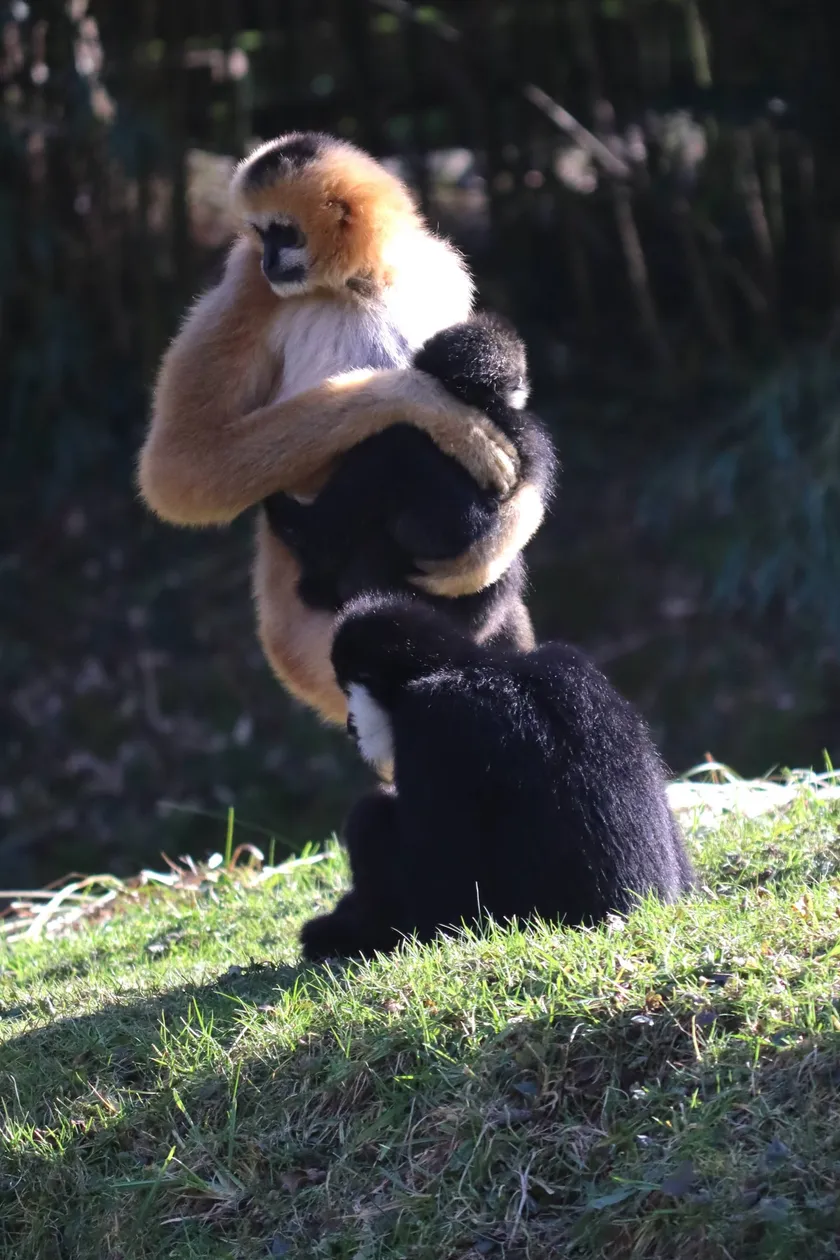 Animals
Adelaide Zoo has a new northern white-cheeked gibbon
InDaily reported that the critically endangered baby, born Tuesday to Viet and Remus, is the first of its species at the zoo in a decade and the only one born in Australasia this year.
Verified · InDaily