A rare oil beetle is breeding again at Castlemartin after nearly 60 years
This year's survey at the Pembrokeshire range found oil-beetle larvae after two earlier searches turned up only dead adults. About one in 10,000 larvae usually reach adulthood.

Read the original
The reporting lives at The Guardian. Our summary is checked against it, and we link it on every story.
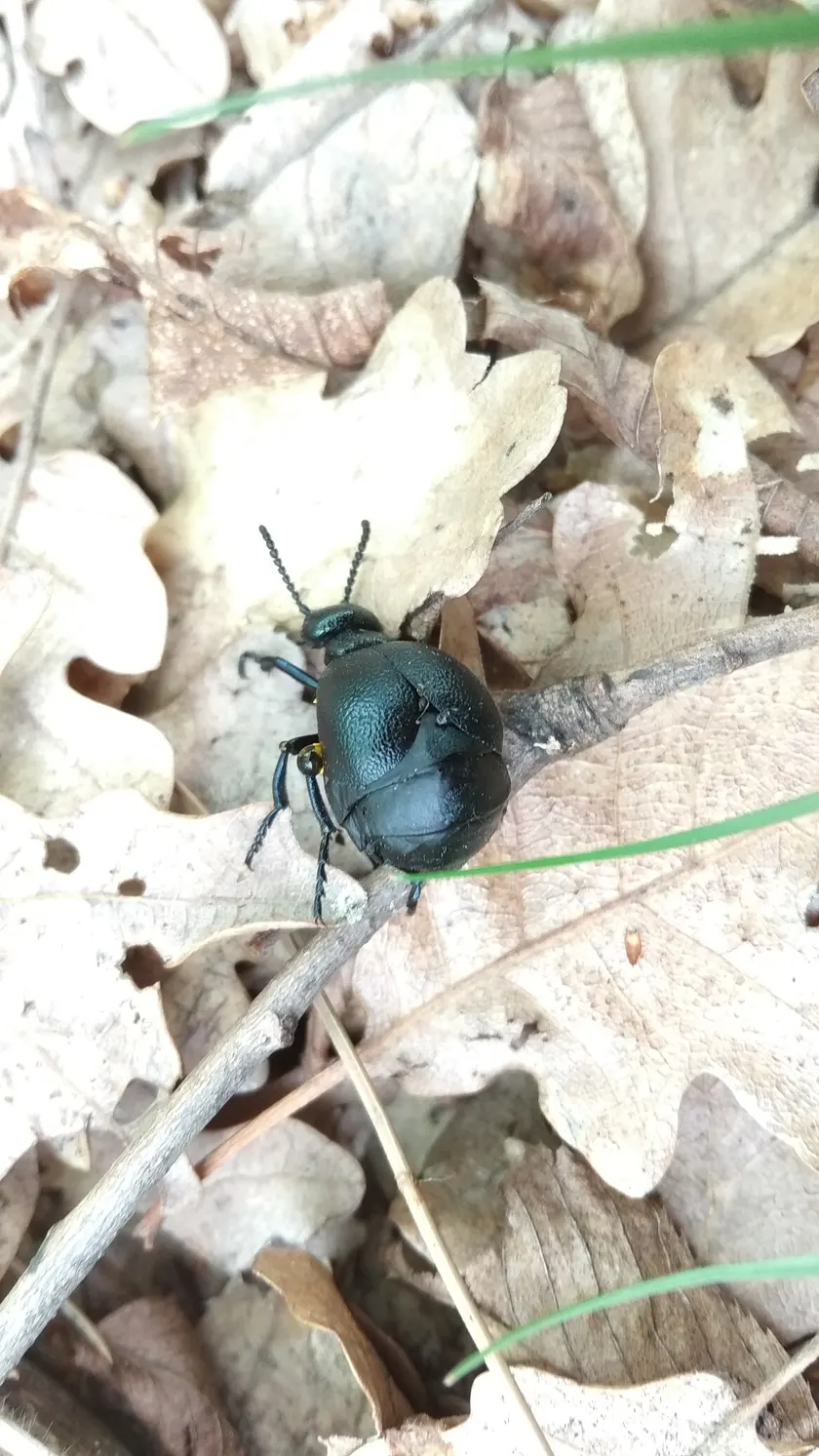
A short-necked oil beetle is breeding again at Castlemartin range in Pembrokeshire, the first such sign in Wales in nearly 60 years. The Guardian reported on November 1, 2026, that Natural Resources Wales confirmed the find. Adults are stubby and can secrete an oily yellow-orange substance from their knee joints when alarmed. The larvae hitchhike on solitary bees with hook-like feet, then eat pollen in the nest until they emerge. An adult lives about a year. NRW says only a handful of UK sites suit the species, and that about one in 10,000 larvae reach adulthood. It is classed as nationally rare.
The beetle was rediscovered in Devon in 2006, with later populations in the Hebrides and on Salisbury Plain. Buglife reported it at the Pembrokeshire site in 2020. Surveys in 2022 and 2025 found only dead adults, which raised doubts the local population was still viable. The 2026 survey found larvae distributed in a pattern that suggests young from a larger batch had thrived. Anna Hobbs of the Bumblebee Conservation Trust called the breeding evidence exciting and said the work has to serve the beetle and the solitary bees together. The project sits inside Wales's Natur am Byth recovery programme, which also covers the shrill carder bee, goldilocks aster, and pale dog violet. The news is larvae after two empty surveys. It is not a population total.
For the classroom
A rare beetle is breeding again in Wales. The Guardian reported on November 1, 2026, that the short-necked oil beetle was found at Castlemartin in Pembrokeshire. Adults can ooze an oily liquid from their knees when alarmed. The larvae ride on solitary bees and eat pollen in the nest. Only about one in 10,000 larvae become adults. Searches in 2022 and 2025 found only dead adults. The 2026 search found larvae, a sign that young beetles had done well. The beetle still needs flowers and bees. Finding larvae is not a count of every beetle on the range.
- Why does this beetle need bees, not only a place to sit?
- Why would finding young beetles matter more than finding one adult?
For a teacher to read with a class. Print the story of the day · Morning announcements · All classroom stories · This week's Good News Friday pack
Castlemartin, United KingdomWildlife conservationPollinatorsGood news on November 1
More good news
Other stories in the same neighborhood of kindness.
 Animals
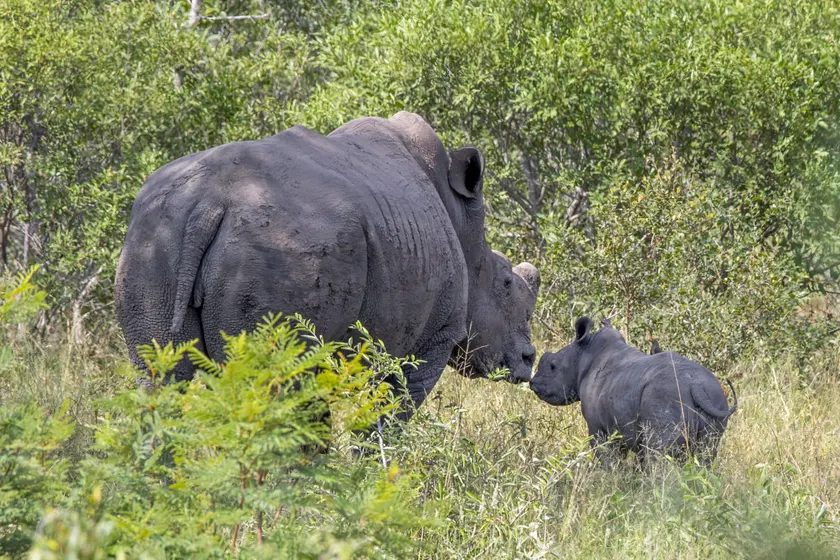
Rhino siblings Markus and Mo turned one with carrot cakes
The calves, born at Cotswold Wildlife Park near Burford, have grown from about 70 kilograms to about 500 kilograms each. The park now has nine rhinos, the most in its 56 years.
Verified · BBC News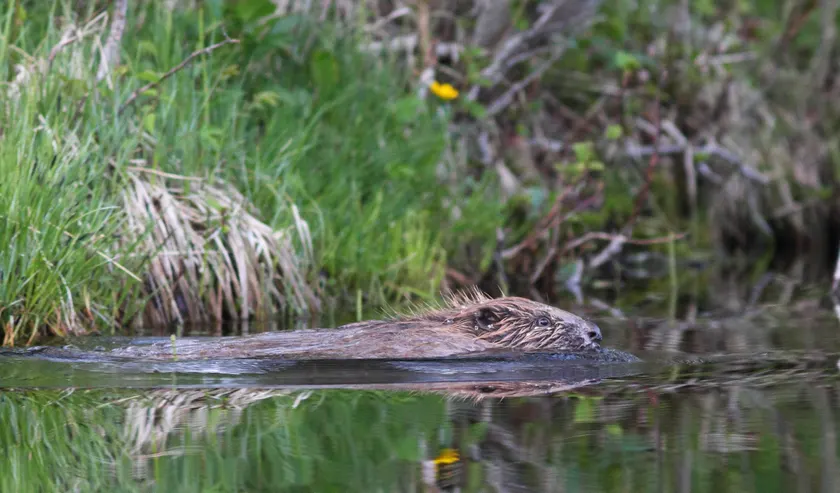 Animals
Beavers are approved to return to the River Ness after 500 years
NatureScot licensed Trees for Life and the Beaver Trust to release up to 15 beavers over three years around Loch Ness. The animals are not in the water yet.
Verified · BBC News Animals
Edinburgh Zoo welcomed a red panda named Yun
The one-year-old female came from Banham Zoo in Norfolk and will live with Bruce, the zoo's 11-year-old male. Keepers hope the pair might breed later. No cubs are announced.
Verified · Edinburgh News