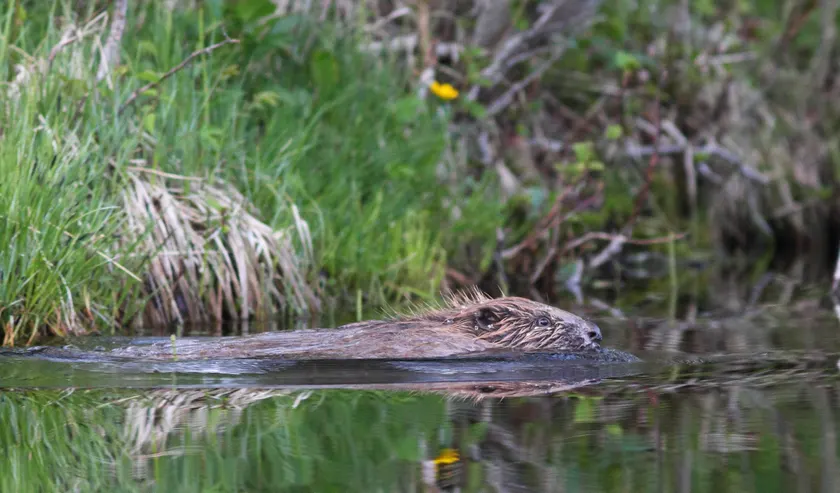
Beavers are approved to return to the River Ness after 500 years
NatureScot licensed Trees for Life and the Beaver Trust to release up to 15 beavers over three years around Loch Ness. The animals are not in the water yet.

Read the original
The reporting lives at BBC News. Our summary is checked against it, and we link it on every story.
Beavers have official permission to return to the waters around Loch Ness, about 500 years after the last widely cited record of them there. BBC News reported on October 30, 2026, that NatureScot licensed Trees for Life and the Beaver Trust to release up to 15 beavers over three years at agreed sites in the River Ness catchment. The agency's assessment said beavers could significantly boost biodiversity, and that the landscape is at low risk of harm from their activity.
The charities date the last widely cited historical record at the loch to 1526–1527. Beavers were reintroduced elsewhere in Scotland in 2009 after they had been hunted out. NatureScot had already named this catchment, in 2022, as one of the most suitable in the country. More than 73 percent of responses to the applicants' consultation were supportive. Director Robbie Kernahan said the animals build ponds and wetlands other species use, and can moderate water in floods and dry spells. He also said land managers and residents had raised concerns, and that those would be handled through the applicants' plans and the existing beaver mitigation scheme.
Any beaver moved to the Ness will be trapped, under licence, from farmland where mitigation has not worked, and will be health-screened first. Alan McDonnell of Trees for Life said local businesses and communities had shown strong interest, and that the team had been meeting people on the ground. The licence is the news. The beavers are not in the catchment yet.
For the classroom
The River Ness runs near Loch Ness in Scotland. BBC News reported on October 30, 2026, that beavers may live there again. NatureScot approved up to 15 beavers over three years. Trees for Life and the Beaver Trust will do the work. The last widely cited record of beavers at the loch is from 1526 or 1527. Beavers returned to other parts of Scotland in 2009. More than 73 percent of people who answered a consultation said yes. They will come from farmland where they already cause trouble, after a health check. They build ponds and wetlands other animals use. They are not in the river yet.
- Why would a beaver's pond help other animals, not only the beaver?
- Why check an animal's health before moving it to a new river?
For a teacher to read with a class. Print the story of the day · Morning announcements · All classroom stories · This week's Good News Friday pack
Inverness, United KingdomWildlife conservationRiversGood news on October 30
More good news
Other stories in the same neighborhood of kindness.
 Animals
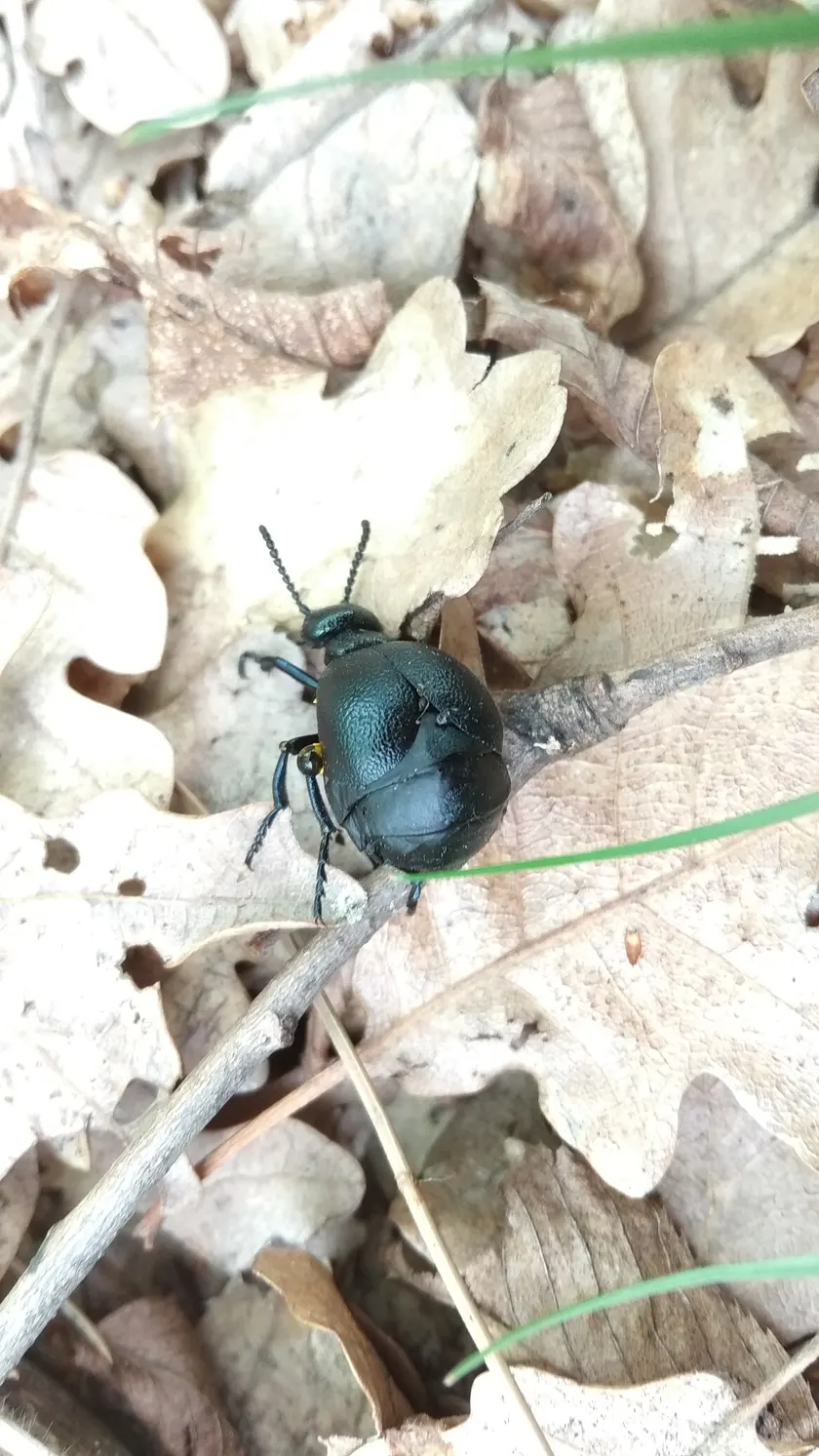
A rare oil beetle is breeding again at Castlemartin after nearly 60 years
This year's survey at the Pembrokeshire range found oil-beetle larvae after two earlier searches turned up only dead adults. About one in 10,000 larvae usually reach adulthood.
Verified · The Guardian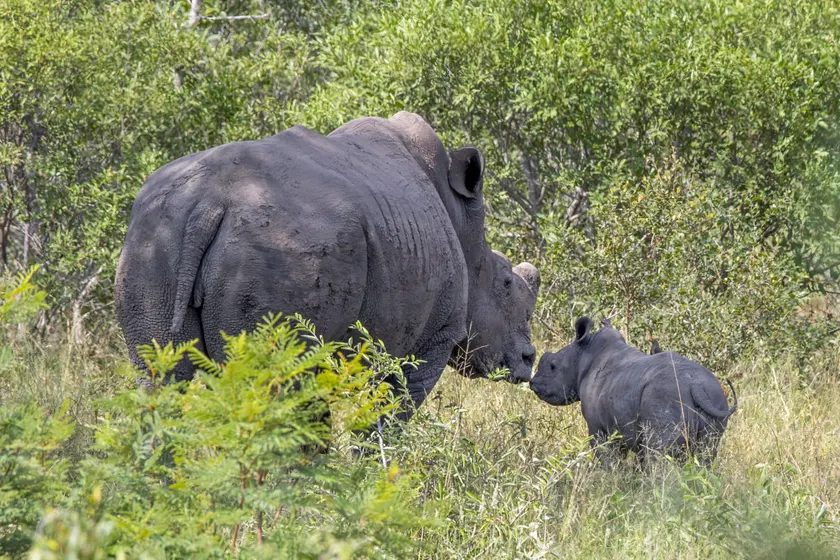 Animals
Rhino siblings Markus and Mo turned one with carrot cakes
The calves, born at Cotswold Wildlife Park near Burford, have grown from about 70 kilograms to about 500 kilograms each. The park now has nine rhinos, the most in its 56 years.
Verified · BBC News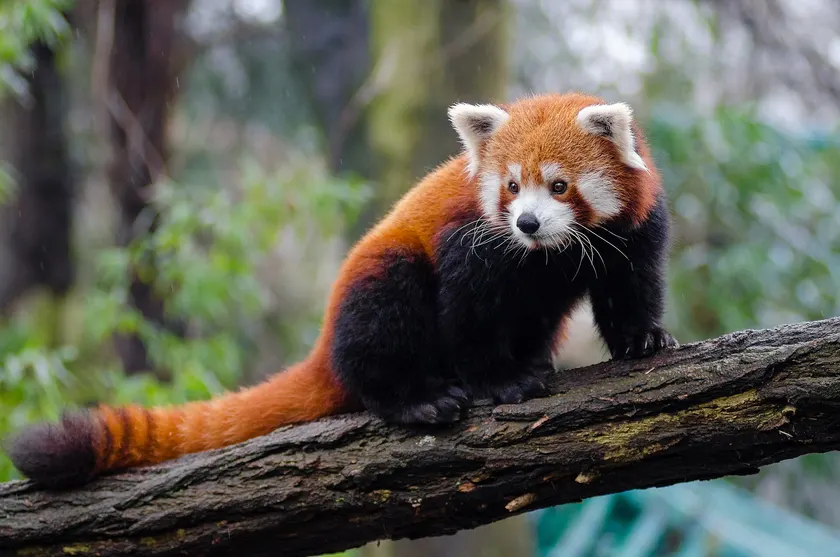 Animals
Edinburgh Zoo welcomed a red panda named Yun
The one-year-old female came from Banham Zoo in Norfolk and will live with Bruce, the zoo's 11-year-old male. Keepers hope the pair might breed later. No cubs are announced.
Verified · Edinburgh News