A foster mum and a rubber glove helped two rare pheasant chicks
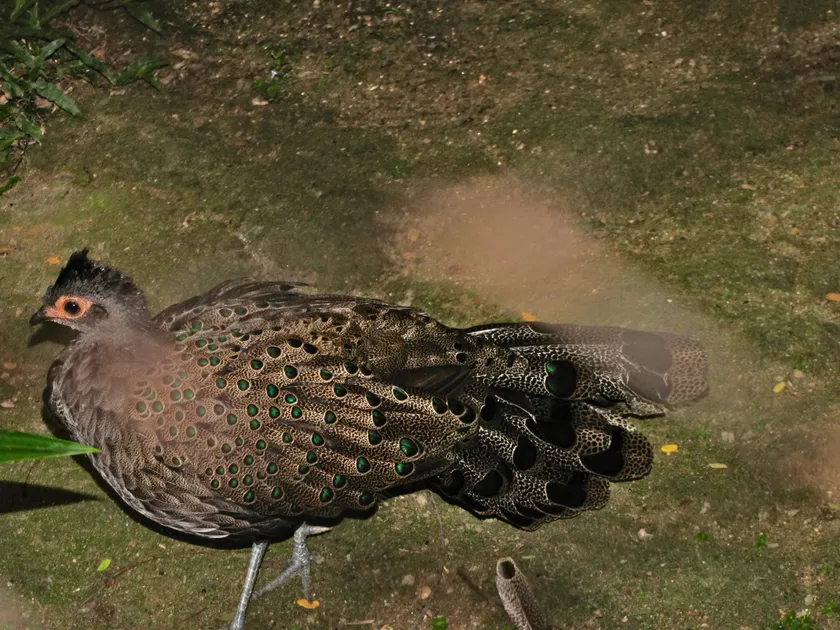
Chester Zoo says the two Malay peacock-pheasants are the only chicks of that endangered species known to have hatched in a European zoo this year. One was warmed overnight after its mother left the nest.

Read the original
The reporting lives at Chester Standard. Our summary is checked against it, and we link it on every story.
Two Malay peacock-pheasant chicks are thriving at Chester Zoo, and the Chester Standard reported on November 12, 2026, that they are the only chicks of that endangered species known to have hatched in a European zoo this year. The European Association of Zoos and Aquaria records just 15 of the birds in European zoos. As few as 2,500 may remain in the wild, where forest is being cleared for farms.
Lead bird keeper Leanne Lowton said not every parenting skill is instinctive, and the mother was not sitting on her first egg. Keepers incubated that egg, then gave it to a broody bronze-tailed peacock-pheasant, a closely related species and an experienced mother, so the chick would learn to be a pheasant rather than grow up only around people. That chick is now a healthy young male and is due to move into his own habitat this week. The foster arrangement also let the Malay peacock-pheasant lay a second egg, which she incubated herself. She left the nest too early, and the hatchling was dangerously cold. Lowton made a tiny hot-water bottle from a rubber glove and gave the chick glucose syrup every hour for a day and a night. The next morning the mother accepted the chick at once. Lowton said she had never been so relieved. The chicks are an insurance population in human care. They are not birds returned to the forest.
For the classroom
The Chester Standard reported on November 12, 2026, that two Malay peacock-pheasant chicks are doing well at Chester Zoo. They are the only chicks of this endangered bird known to have hatched in a European zoo this year. The mother did not sit on her first egg, so keepers gave it to a bronze-tailed peacock-pheasant, a close relative. That chick is now a healthy male. The mother sat on a second egg, then left the nest too soon. Keeper Leanne Lowton warmed the cold chick overnight with a tiny hot-water bottle made from a rubber glove. The mother took the chick back the next morning.
- Why did the keepers want the first chick to grow up with a bird parent instead of only with people?
- What is one way a person helped when the second chick was cold?
For a teacher to read with a class. Print the story of the day · Morning announcements · All classroom stories · This week's Good News Friday pack
Chester, United KingdomBirdsZoosWildlife conservationGood news on November 12
More good news
Other stories in the same neighborhood of kindness.
 Animals
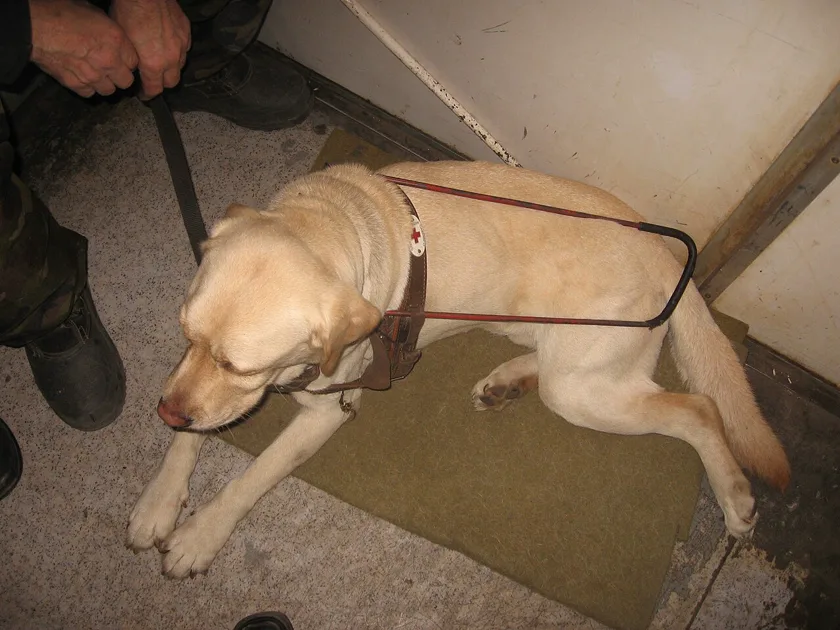
A Lower Earley couple is raising Heath, and Berkshire wants 25 more puppy homes
BBC News reported that Guide Dogs has 17 puppies being raised in Berkshire, including a two-month-old named Heath, and is looking for 25 more volunteer homes.
Verified · BBC News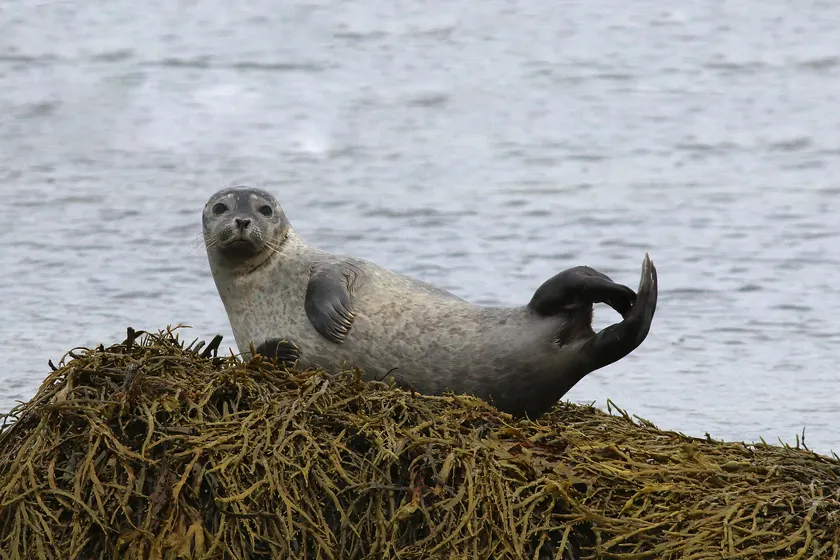 Animals
Jarvis the seal is back in the pool with his friends after eye surgery
Staff at the Cornish Seal Sanctuary in Gweek say cataract surgery on Jarvis's right eye has cleared enough that he can see better, and he has settled in with Bo and Buddy.
Verified · BBC News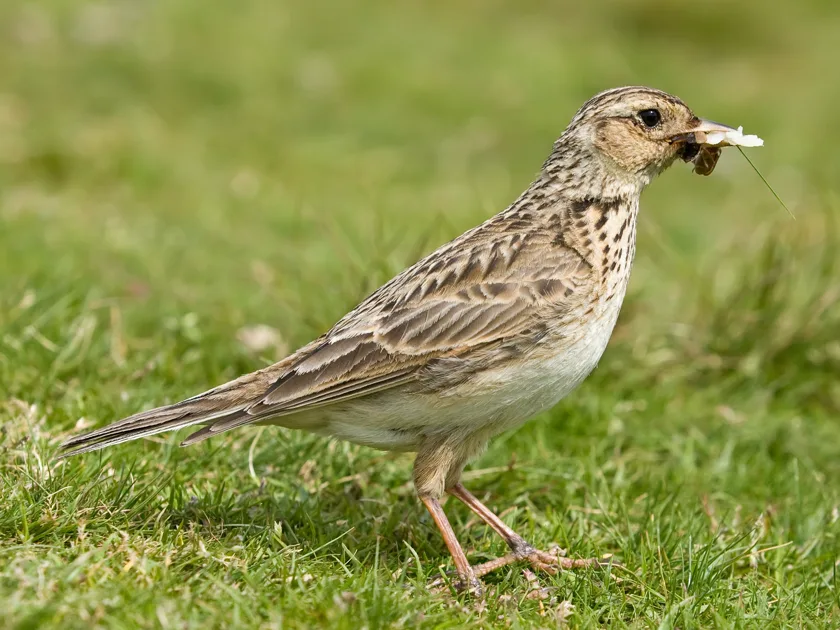 Animals
Donors secure 215 acres of long-unfarmed grassland near Hawthorpe
BBC News reported that £400,000 in public gifts, on top of a £1 million grant, let Lincolnshire Wildlife Trust agree to buy grassland that has not been actively farmed for more than 40 years.
Verified · BBC News