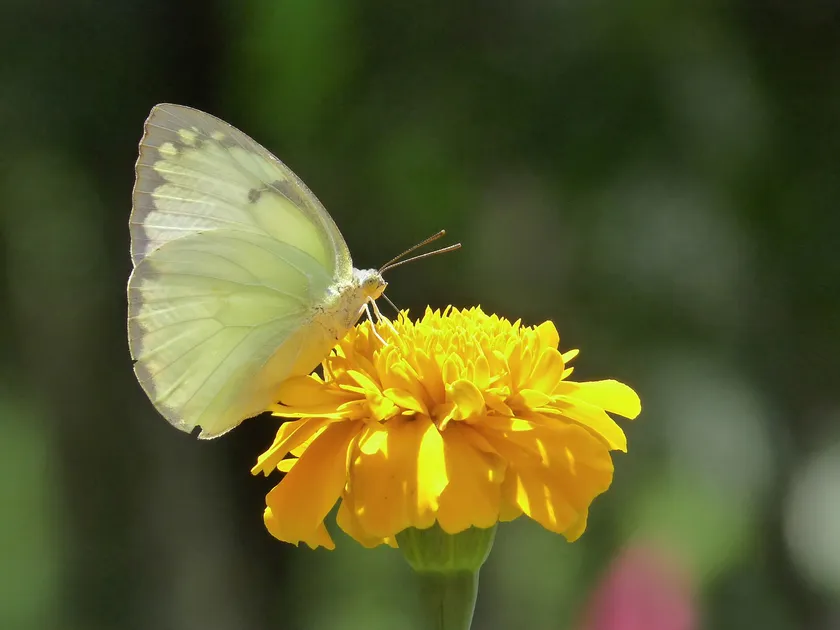
Clouds of lemon emigrants swept through Colombo this month
Mongabay reported that Sri Lanka's November butterfly movement was unusually large, mostly lemon emigrants, and that researchers still will not call it a mapped migration.

Read the original
The reporting lives at Mongabay. Our summary is checked against it, and we link it on every story.
Mongabay reported on November 16, 2026, that clouds of yellow and white butterflies moved through Colombo in the first week of November, and that watchers saw the same flight in other parts of Sri Lanka. Lakshman Kumara, secretary of the Butterfly Conservation and Research Group, said the seasonal peaks usually come in October to November and again in February to March, and that 2026's movement was especially large. He said this year's insects seemed to avoid the hill country, possibly because of the weather.
Professor Kapila Dissanayake of Sabaragamuwa University told Mongabay the flight looked dominated by the lemon emigrant, with smaller numbers of common albatross and Sri Lankan lesser albatross. He asked that it be called a mass movement, not a proven migration, until direction and extent are checked. Himesh Dilruwan Jayasinghe, of the National Institute of Fundamental Studies, linked the boom to monsoon rain and fresh growth on host plants such as cassia and senna. A separate global study of 1,758 butterfly species, led by Shawan Chowdhury, found range shifts often tied to climate, and Sri Lankan researcher Tharindu Ranasinghe said highland endemics could be squeezed upslope. That study is not a count of this week's flight. The news is the butterflies people saw. It is not a finished route map.
For the classroom
Mongabay reported on November 16, 2026, that thousands of yellow and white butterflies flew through Colombo, Sri Lanka, in the first week of November. People also saw them in other parts of the island. Lakshman Kumara, who keeps track of these flights, said this year's movement was bigger than usual. Most of the butterflies were lemon emigrants, with some albatross butterflies mixed in. Scientists think rain grew the plants the caterpillars eat. They are careful not to call it a finished map of a migration, because they still do not know every route. A big flight is not the same as knowing where every butterfly lands.
- What would you look for if you wanted to tell a lemon emigrant from another yellow butterfly?
- Why do scientists wait before they call a big flight a migration?
For a teacher to read with a class. Print the story of the day · Morning announcements · All classroom stories · This week's Good News Friday pack
Colombo, Sri LankaWildlife conservationParksGood news on November 16
More good news
Other stories in the same neighborhood of kindness.
 Animals
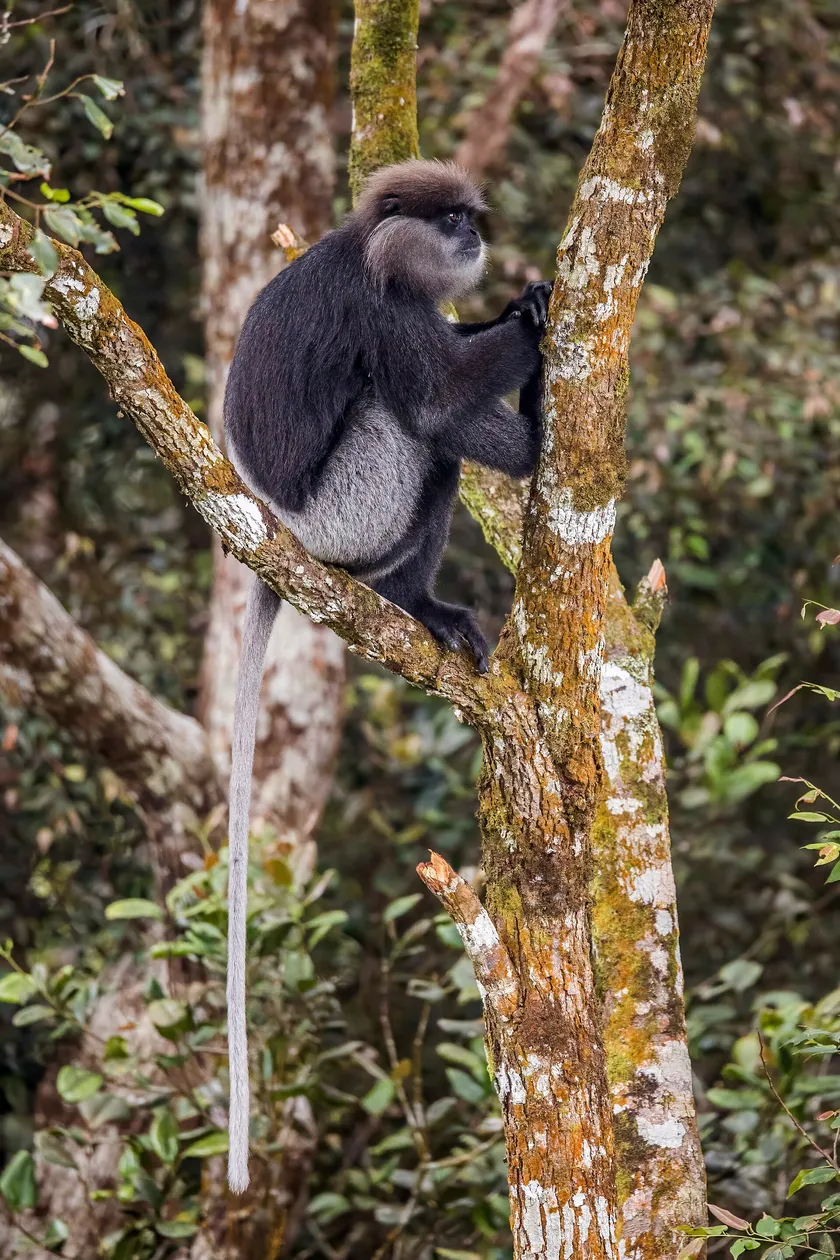
Forty-five treated wild animals left the Attidiya rescue centre for the forest
Deer, grey langurs, a pangolin, a fishing cat, snakes, tortoises, and macaques went back out on October 14.
Verified · Daily Mirror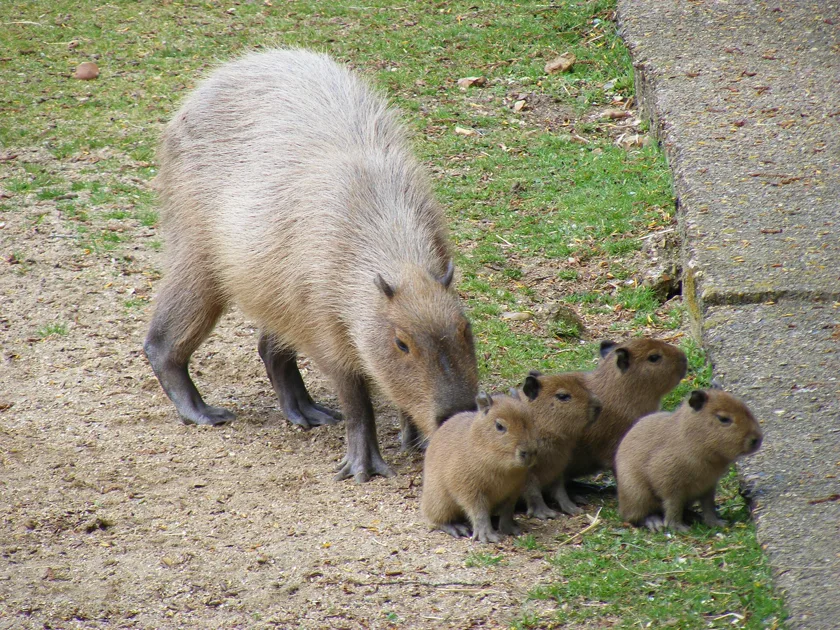 Animals
Hundreds of people turned out in the rain for Saigon Zoo's month-old capybaras
VTV reported that three capybara pups named Anh, Yeu, and Em, whose names together mean 'I love you,' met visitors at nearly one month old.
Verified · VTV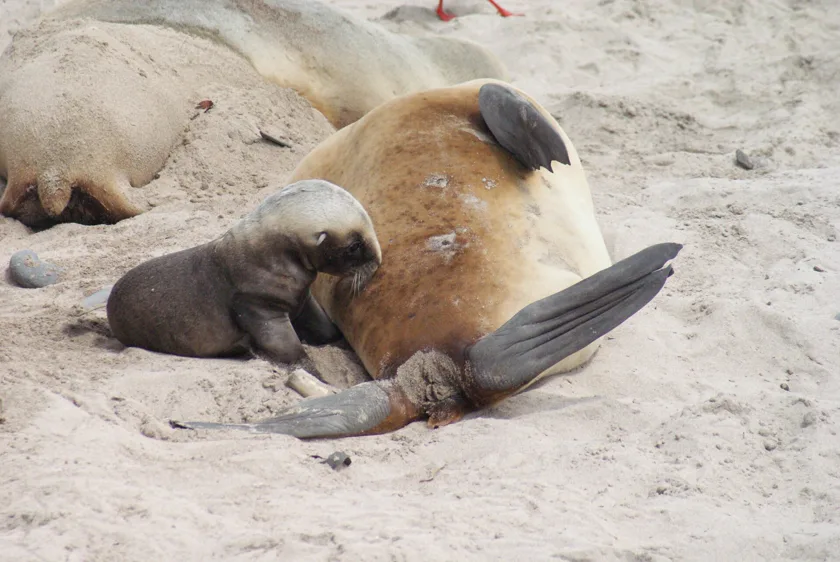 Animals
A Dunedin plant nursery has become a maternity ward for sea lions
RNZ reported that pregnant New Zealand sea lions are climbing the fences at a Smaills Beach nursery, and that one named Tektite gave birth behind a volunteer shelter.
Verified · RNZ