Bluefin tuna have come back in numbers off the Cornwall coast
WWF's new Living Planet Report points to Atlantic bluefin in British waters, including off Cornwall, after quotas and spawning protections. The same report says monitored wildlife is still down on average.

Read the original
The reporting lives at BBC News. Our summary is checked against it, and we link it on every story.
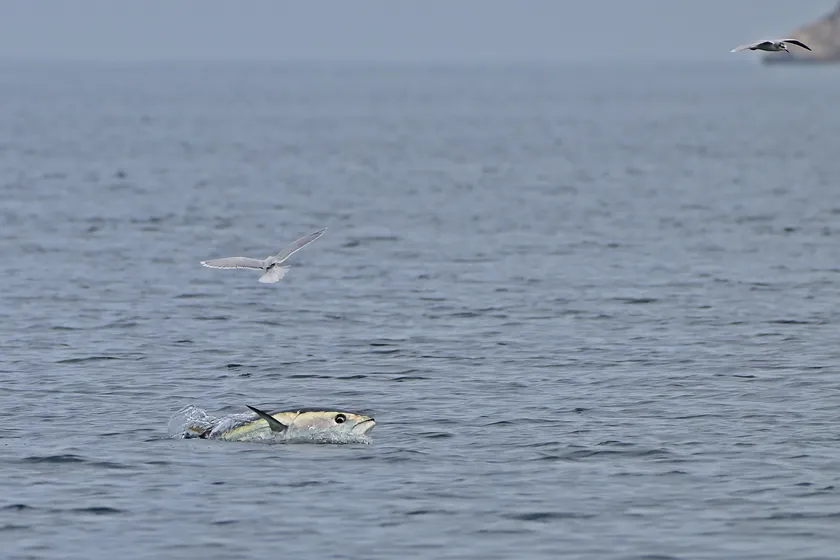
Atlantic bluefin tuna are showing up again in numbers off Britain, including off Cornwall, after nearly vanishing from UK waters. BBC News reported on October 8, 2026, that WWF's Living Planet Report uses the return as evidence that conservation can work. Britain once had large tuna fisheries. Overfishing of the tuna and of the smaller fish they eat meant that by the 1960s the species had largely gone from these waters.
The report credits an international effort: lower catch quotas, size limits, and protection of spawning grounds, backed by campaigns from consumers, chefs, and retailers. Hannah Rudd, head of marine at the Angling Trust, told the BBC the result was close to an explosion in the population, and called bluefin a case that fisheries management works. Mike Barrett, WWF-UK's chief scientific adviser, said it is not too late.
The same report found that monitored wildlife populations worldwide have fallen by an average of 73 percent since 1970, and WWF said nature is still in freefall even with these recoveries. The tuna off Cornwall are a comeback with a paper trail. They are not a claim that the global average has turned around.
For the classroom
Big bluefin tuna are being seen again off Britain, including off Cornwall. BBC News reported on October 8, 2026, that the fish had nearly disappeared from UK waters by the 1960s. A new WWF report uses their return as proof that protection can work. Countries cut how many tuna could be caught, set size limits, and protected places where the fish spawn. Shoppers, chefs, and stores also pushed for the change. The same report says monitored wildlife populations worldwide are down 73 percent on average since 1970. The tuna are a comeback. They are not a sign that nature everywhere is recovering.
- What did people change so the tuna could come back?
- Why can one animal recover while many others are still declining?
- What is one ocean animal you would like to learn more about?
For a teacher to read with a class. Print the story of the day · All classroom stories
More good news
Other stories in the same neighborhood of kindness.
 Animals
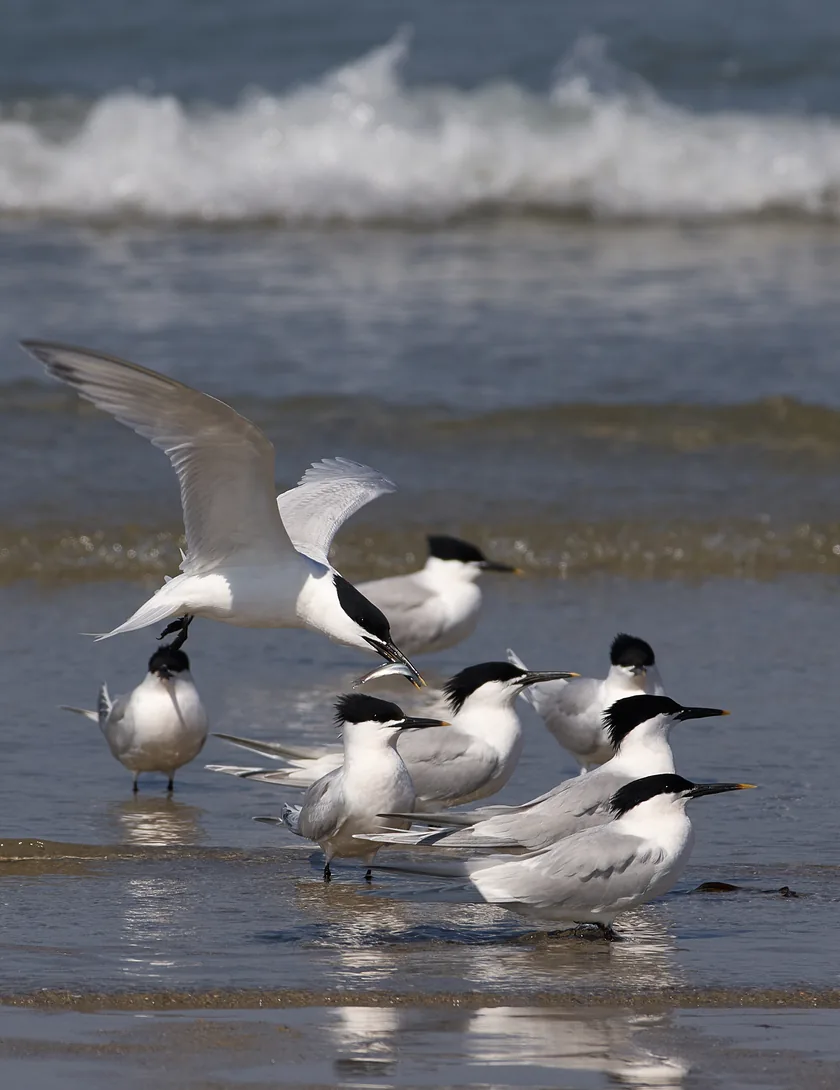
Sandwich terns returned to Pagham Harbour after bird flu
A colony wiped out in 2022 had 756 breeding pairs this year, and 570 chicks fledged, after staff and volunteers rebuilt nesting space on the Solent.
Verified · The Guardian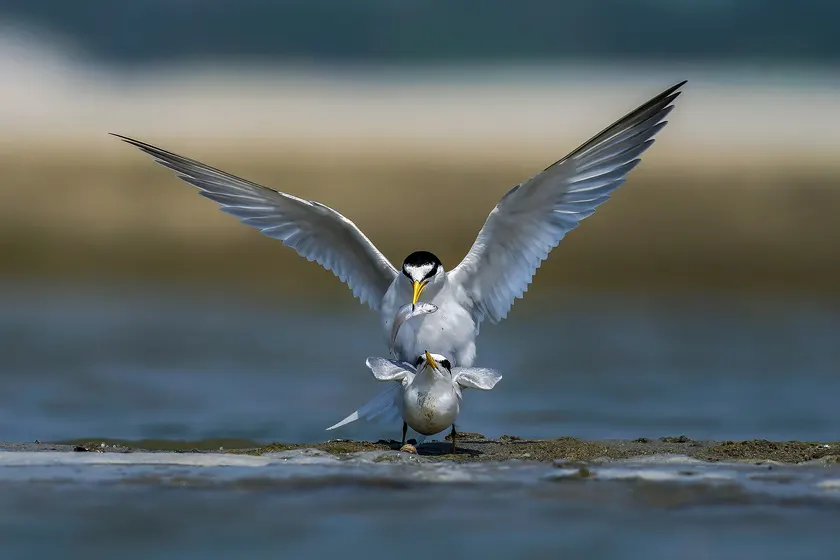 Animals
Dredged shingle is being placed for birds on the Blackwater
Sediment from Harwich Harbour is going onto banks at Cobmarsh Island and Old Hall Point, habitat for little terns, ringed plovers, and oystercatchers.
Verified · BBC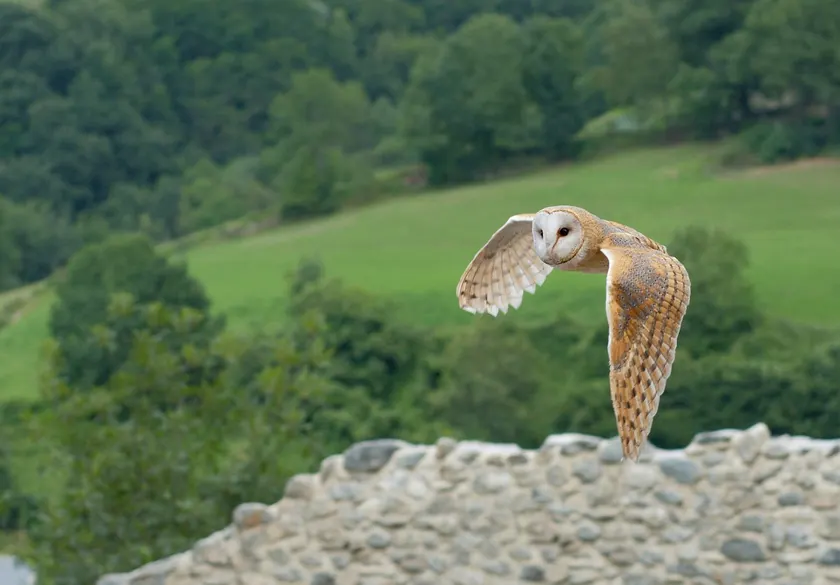 Animals
Sixteen barn owls were ringed on Purbeck farmland
Birds of Poole Harbour and the National Trust fitted rings to 15 chicks and one adult at three farmland sites, a first ringing visit of its kind for Purbeck.
Verified · BBC