Wild oysters are breeding again in the Dornoch Firth
The Guardian reported that scientists have found baby European flat oysters at a Scottish site where the species had been locally extinct for more than a century.

Read the original
The reporting lives at The Guardian. Our summary is checked against it, and we link it on every story.
The Guardian reported on November 15, 2026, that European flat oysters are producing young again in the Dornoch Firth, north of Inverness, at a site where they had been locally extinct for more than a century. The babies are about the size of a 50 pence piece. Professor Bill Sanderson of Heriot-Watt University, who leads the Dornoch Environmental Enhancement Project, called the breeding a significant milestone. It is the first time in the UK, the paper said, that scientists have bred wild oysters at a place the species had vanished from for that long.
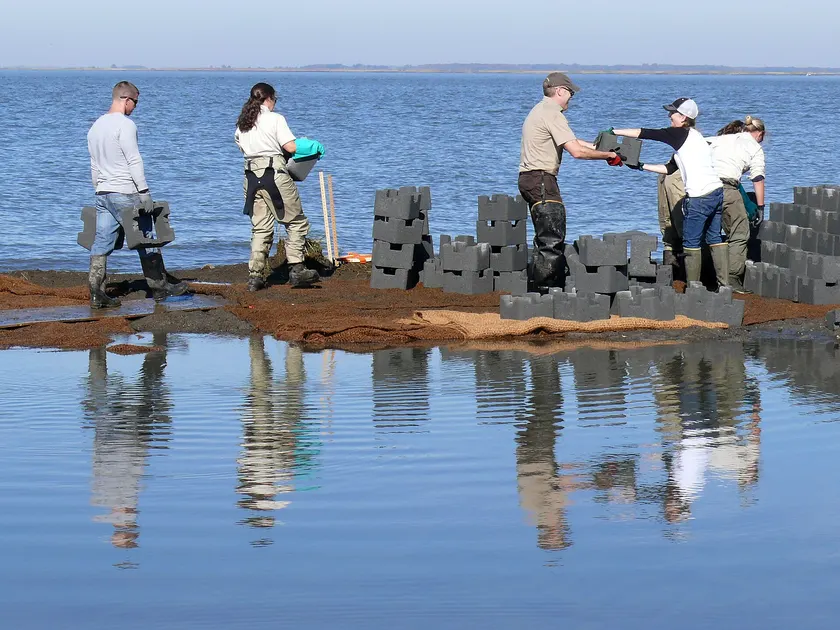
The project, launched 12 years ago with Glenmorangie and the Marine Conservation Society, has deposited about 140,000 adult oysters. Volunteers hand-clean them first. The shellfish come from Loch Ryan, near Stranraer, a surviving bed of about 23.5 million oysters. Research associate Gurjameer Ramday found the juveniles and said warmer seas in the last two years had helped. Sanderson said a reef is very likely to double seabed diversity over a decade. The team hopes for a self-sustaining population by 2031, and it could be a decade or more before any fishing. The news is the babies, not a harvest.
For the classroom
The Guardian reported on November 15, 2026, that baby oysters are growing again in the Dornoch Firth, north of Inverness in Scotland. European flat oysters had been gone from that place for more than 100 years. The babies are about the size of a 50 pence coin. A project called Deep has put about 140,000 adult oysters into the firth. Volunteers clean the shells first. Professor Bill Sanderson said a reef can, over about 10 years, double the variety of life on the seabed. The team hopes the population can sustain itself by 2031. It is not a fishery yet.
- Why does finding baby oysters matter more than simply counting the adults that were put back?
- What is one job oysters do for the water around them?
For a teacher to read with a class. Print the story of the day · Morning announcements · All classroom stories · This week's Good News Friday pack
Dornoch, United KingdomWildlife conservationVolunteersGood news on November 15
More good news
Other stories in the same neighborhood of kindness.
 Animals
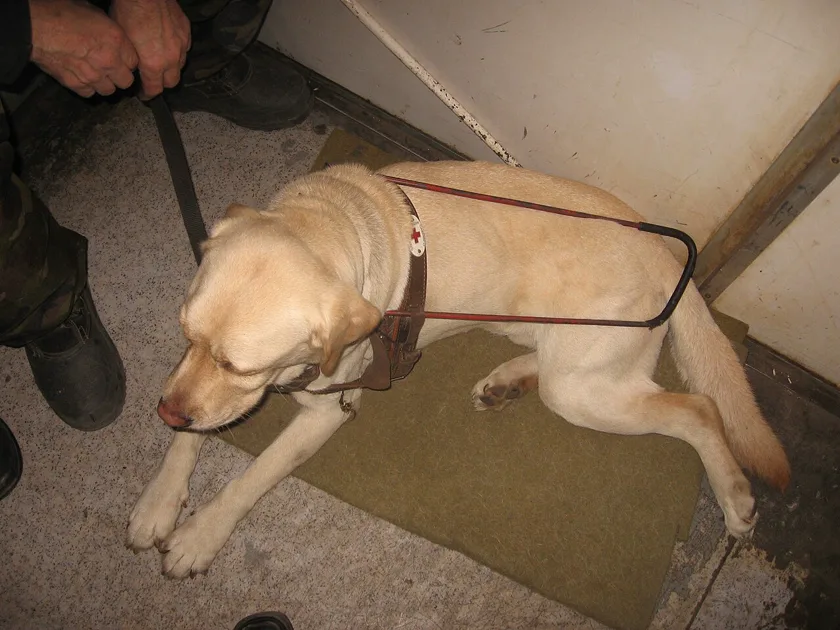
A Lower Earley couple is raising Heath, and Berkshire wants 25 more puppy homes
BBC News reported that Guide Dogs has 17 puppies being raised in Berkshire, including a two-month-old named Heath, and is looking for 25 more volunteer homes.
Verified · BBC News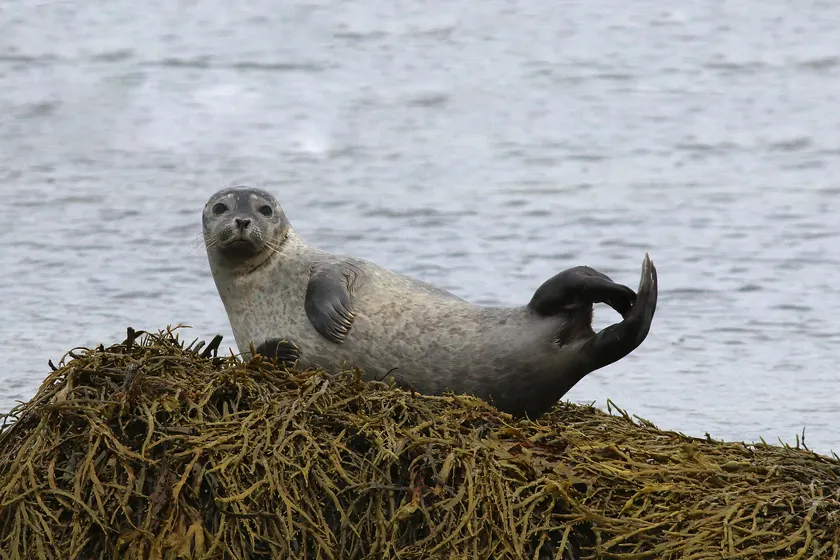 Animals
Jarvis the seal is back in the pool with his friends after eye surgery
Staff at the Cornish Seal Sanctuary in Gweek say cataract surgery on Jarvis's right eye has cleared enough that he can see better, and he has settled in with Bo and Buddy.
Verified · BBC News Animals
Donors secure 215 acres of long-unfarmed grassland near Hawthorpe
BBC News reported that £400,000 in public gifts, on top of a £1 million grant, let Lincolnshire Wildlife Trust agree to buy grassland that has not been actively farmed for more than 40 years.
Verified · BBC News