A researcher in Costa Rica collared seven clouded oncillas
Mongabay reported that Amaia Autor is the first researcher to fit this small cloud-forest cat with a GPS collar. The findings are not published yet, and each collar lasts only a few months.

Read the original
The reporting lives at Mongabay. Our summary is checked against it, and we link it on every story.
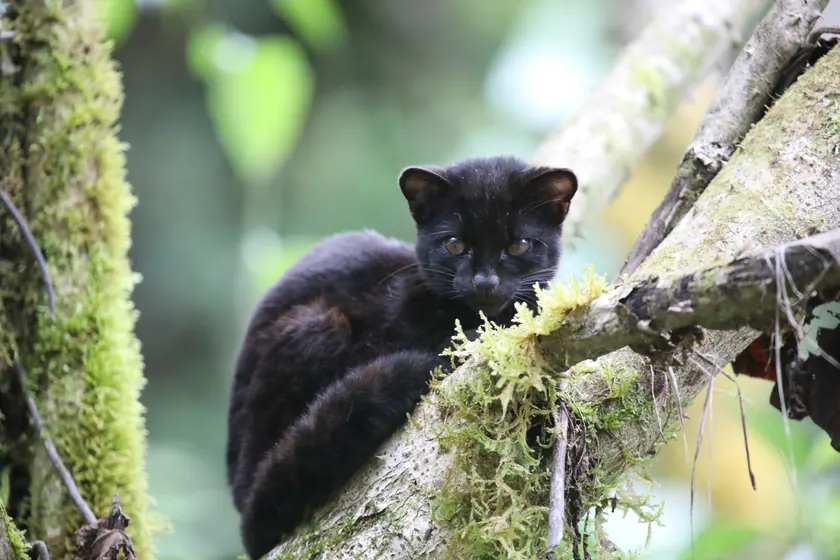
A doctoral student has done something small-cat specialists say almost nobody manages: she has caught, measured, and GPS-collared seven clouded oncillas in Costa Rica's Talamanca Mountains. Mongabay reported the work on November 24, 2026. Amaia Autor, a Ph.D. student at the University of Montana, started setting traps in the cold cloud forest in 2022. The first success was March 21, 2023. The cat was melanistic, black, with grey paws. She named it Calcetinas, Spanish for socks.
Wildlife veterinarian Natalie Montera, of Cuatro Gatos Conservación, confirmed to Mongabay that Autor is the first person to capture free-ranging animals of this Central American montane cat for research and to track them. Montera anesthetized several of the cats so Autor could fit a collar, take samples, and measure them before release. Tadeu de Oliveira, who leads the Tiger Cats Conservation Initiative, told Mongabay that catching any tiger cat is rare. He said even a few months of locations would be information nobody else has, and that seven animals is a strong sample.
The cats are about the size of a house cat, usually 2 kilograms or less, and live above about 1,500 metres in Costa Rica and Panama. Camera traps often confuse them with ocelots or margays. Autor told Mongabay that early tracks show they stay in forest and rarely cross open pasture or towns, which is why connected forest matters. The collars run on double-A batteries and collect GPS data for up to four months, so the mapped range is still short. She said she has another year or two of analysis before the thesis, and the work is not published. Adviser Mark Hebblewhite said landowners, ranchers, and teachers around the mountains are now asking for places where animals can cross the Pan-American Highway. The news is seven collars and a community that knows the cat is there. It is not yet a published map of how far the cats roam.
For the classroom
Mongabay reported on November 24, 2026, that a student scientist in Costa Rica caught and collared seven clouded oncillas, small wild cats about the size of a house cat. They live in cold mountain forest, and many neighbors do not know they are there. Amaia Autor, who studies at the University of Montana, set traps in the Talamanca Mountains. On March 21, 2023, she found the first one, a black cat she named Calcetinas, Spanish for socks, because of its grey paws. A veterinarian helped fit a small collar, then each cat was let go. The collars last about four months. The research is not published yet.
- Why would scientists let a wild cat go again after they have learned from it?
- What is an animal that lives near you and is easy to miss?
For a teacher to read with a class. Print the story of the day · Morning announcements · All classroom stories · This week's Good News Friday pack
Dota, Costa RicaWildlife conservationStudentsGood news on November 24
More good news
Other stories in the same neighborhood of kindness.
 Animals
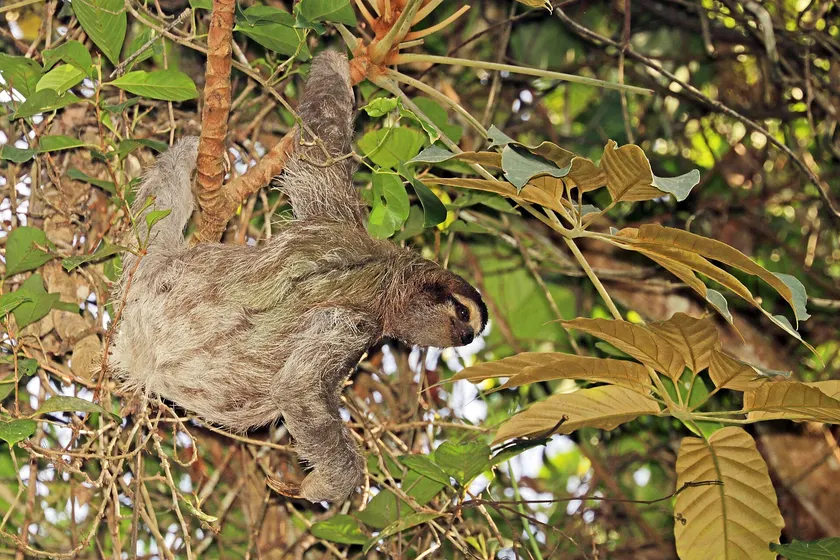
Rope bridges are giving Costa Rica's sloths a way through the canopy
The Associated Press reported that the Sloth Conservation Foundation has installed about 410 rope bridges on the Caribbean coast so sloths can cross gaps without climbing down.
Verified · Associated Press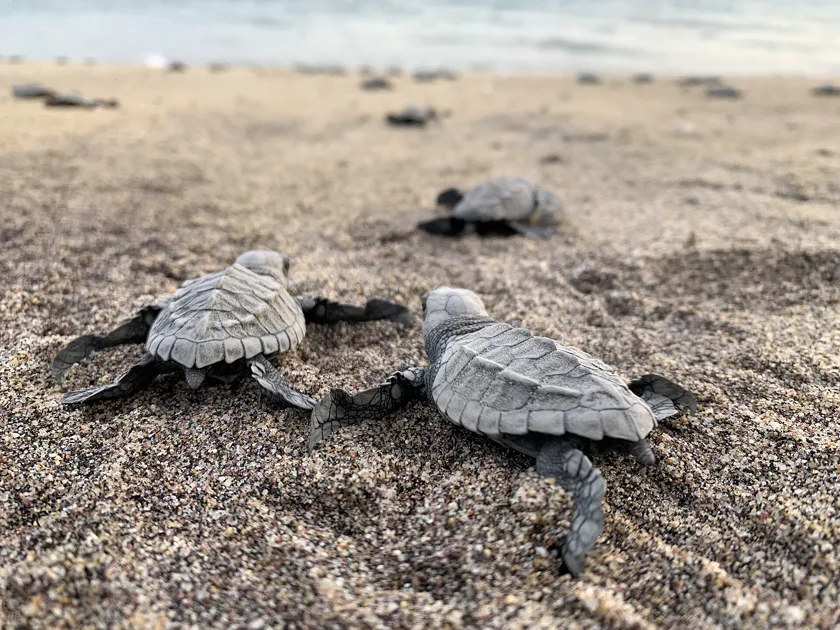 Animals
Red lamps at Tortuguero sent fewer turtle hatchlings inland
The Tico Times reported that 15 percent of green turtle hatchlings crawled toward white artificial light in a study there, and 5 percent did so under red lamps.
Verified · The Tico Times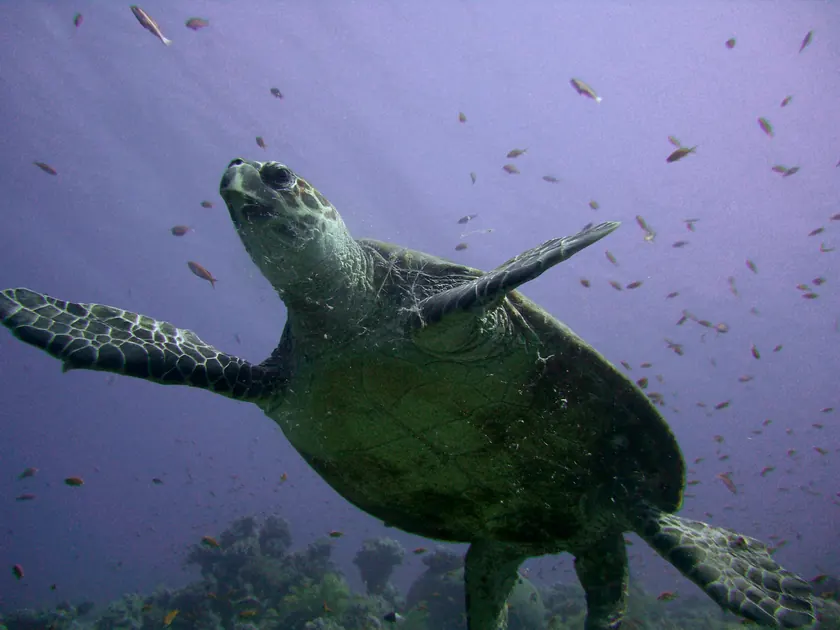 Animals
Four rehabilitated turtles swam back into the sea at De Hoop
The Two Oceans Aquarium said Habanero, Sage, Amber, and Bellatrix were released on November 19. Sage is the centre's first acoustically tagged olive ridley.
Verified · Two Oceans Aquarium