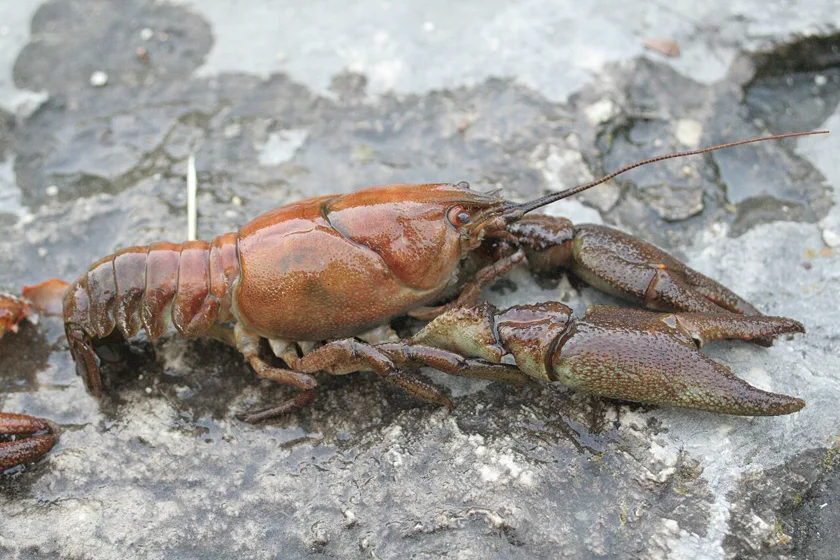
Fota has reared more than 150 native crayfish, and a four-year project is funded
RTÉ reported that Dublin Zoo and Fota Wildlife Park have €480,000, through 2029, to breed Ireland's endangered white-clawed crayfish in secure hatcheries. The young crayfish have not been put back yet.

Read the original
The reporting lives at RTÉ. Our summary is checked against it, and we link it on every story.
RTÉ reported on November 17, 2026, that Dublin Zoo and Fota Wildlife Park have just over €480,000 for a four-year project, running until 2029, to breed Ireland's white-clawed crayfish with the National Parks and Wildlife Service. Minister of State Christopher O'Sullivan announced the funding at Dublin Zoo. The crayfish, Ireland's only native species, can reach about 12 centimetres and live up to 10 years. It feeds on other invertebrates and is treated as a sign of how a river or lake is doing. Crayfish plague, invasive signal crayfish, and pollution have destroyed populations across much of Europe.
Fota director Aileen Tennant said the park rescued the last known white-clawed crayfish in the River Blackwater catchment from the Awbeg River, and that its aquarists have since bred the species in a purpose-built facility. This year alone they reared more than 150 young. She said Fota is the first conservation organisation in Ireland to do so, and that the hope is those animals will one day start populations in rivers free of plague. Dublin Zoo's Andrew Mooney and NPWS nature conservation director Suzanne Nally described the project as secure breeding plus later recovery work. The news is the funding and the 150-plus young already reared. It is not a release into a river.
For the classroom
RTÉ reported on November 17, 2026, that Ireland is breeding its only native crayfish so the animal has a backup population. The white-clawed crayfish can grow to about 12 centimetres and live about 10 years. A disease called crayfish plague has wiped it out of many European rivers. Fota Wildlife Park rescued the last known animals from the Awbeg River and this year reared more than 150 young. Dublin Zoo and Fota have just over 480,000 euros for a project with the national parks service that runs until 2029. The hope is to return crayfish to healthy rivers. That release has not happened yet.
- Why would a small animal in a river tell people something about the water?
- Ireland is an island in northwest Europe. Why might an island still have an animal that has vanished from much of the mainland?
For a teacher to read with a class. Print the story of the day · Morning announcements · All classroom stories · This week's Good News Friday pack
Dublin, IrelandWildlife conservationRiversZoosGood news on November 17
More good news
Other stories in the same neighborhood of kindness.
 Community
Irish school groups signed a promise to bring nature back onto the grounds
The Dundalk Democrat reported that education trusts and boards signed Our Dúlra Agreement at Firhouse Educate Together, asking schools to make room for wildlife.
Verified · Dundalk Democrat Community
Five Wexford waiting rooms now keep children's books on the shelf
HSE and Wexford Library Service launched Read While You Wait at the hospital's children's clinic, with shelves also going to clinics in Wexford town, Gorey, New Ross, and Barntown. Families read on site and leave the books for the next patient.
Verified · South East Radio Community
Three friends found a lost wedding ring and flew it home to Ireland
After nine days of searching an unnamed Italian mountain stream, the finders dressed as hobbits and handed the ring back in Ireland.
Verified · CBC Radio