Great Lakes piping plovers reach a record 99 breeding pairs
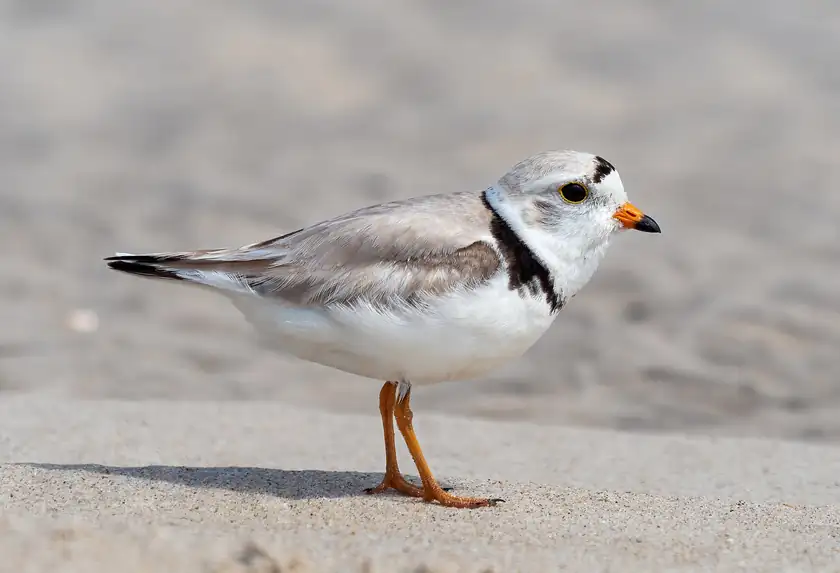
The endangered Great Lakes piping plover posted a fifth straight record season in 2026, with 99 breeding pairs and 184 chicks fledged, nearly two-thirds of the way to the federal recovery goal.

Read the original
The reporting lives at Michigan Public (Stateside). Our summary is checked against it, and we link it on every story.
The Great Lakes piping plover reached 99 breeding pairs in 2026, Michigan Public reported, up from roughly a dozen pairs in the late 1980s. A record 184 chicks fledged. It was the fifth record breeding season in a row for the endangered shorebird.
That count is almost two-thirds of the U.S. Fish and Wildlife Service recovery goal of 150 pairs, 50 of them outside Michigan. The largest nesting site is Sleeping Bear Dunes National Lakeshore. The birds are still pressed by shrinking beach, predators, people on the sand, and gaps in seasonal conservation staffing. The record is a count of pairs and flying chicks, not a declaration that the species is out of danger.
For the classroom
Piping plovers are small shorebirds that nest on Great Lakes beaches. In the late 1980s only about a dozen pairs were left. In 2026 counters found 99 breeding pairs, the fifth record year in a row. Those pairs raised 184 chicks that were strong enough to fly, also a record. The U.S. Fish and Wildlife Service says the population is recovered when there are 150 pairs, including 50 outside Michigan. Ninety-nine pairs is almost two-thirds of that goal. The biggest nesting place is Sleeping Bear Dunes National Lakeshore in northern Michigan. The birds still face less beach, predators, and people walking through nests, so the comeback is real and not finished.
- Why do piping plovers need a quiet stretch of beach?
- What does it mean that 184 chicks fledged?
- How could a beach visitor help a nest without getting close to it?
For a teacher to read with a class. Print the story of the day · All classroom stories
More good news
Other stories in the same neighborhood of kindness.
 Science
River otters return to Sunday Creek after a century
Rural Action's Joe Brehm found river otter tracks on Sunday Creek near Glouster, a stream once poisoned by mine runoff where otters had not been reported in more than 100 years.
Verified · WOUB Public Media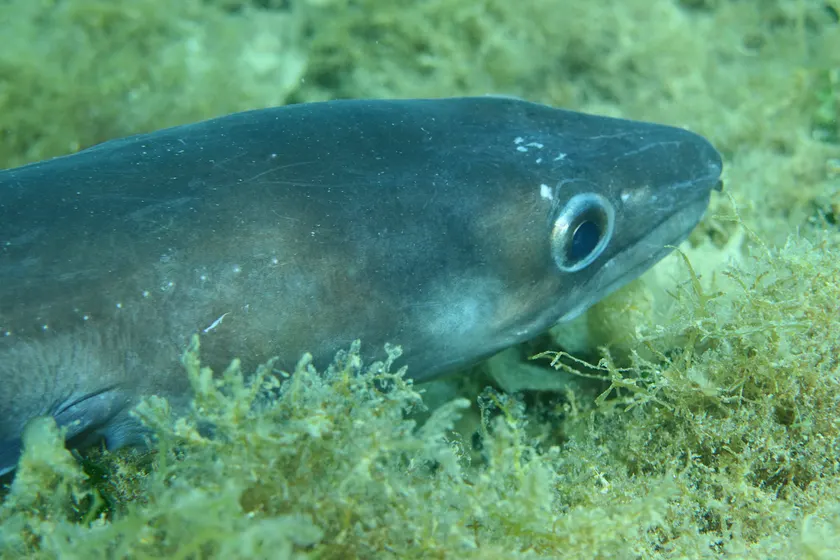 Science
About 2.8 million eels gather to spawn beside a seamount off Tasmania
A CSIRO-led study in Royal Society Open Science puts the only known deep-sea eel spawning aggregation at Patience Seamount, in Huon Marine Park.
Verified · ABC News Science
Iowa engineering students built a custom game controller
Biomedical engineering students at the University of Iowa built Dylan Huntbach a Nintendo Switch controller with oversized buttons and joysticks he can use after a spinal cord injury.
Verified · University of Iowa College of Engineering