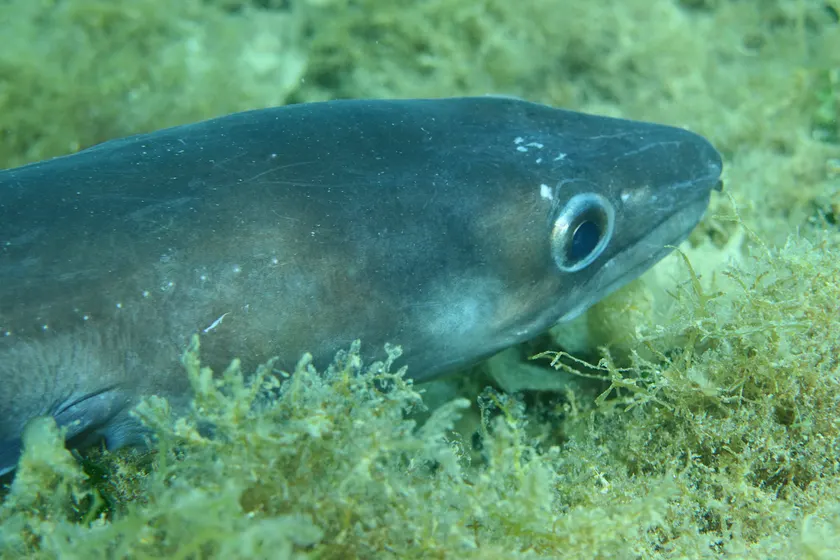
About 2.8 million eels gather to spawn beside a seamount off Tasmania
A CSIRO-led study in Royal Society Open Science puts the only known deep-sea eel spawning aggregation at Patience Seamount, in Huon Marine Park.

Read the original
The reporting lives at ABC News. Our summary is checked against it, and we link it on every story.
About 2.8 million basketwork eels meet each year on a ridge beside Patience Seamount, off Tasmania, and a new study argues they are there to spawn. ABC News reported on October 28, 2026, on a CSIRO-led paper in Royal Society Open Science.
The aggregation is inside Huon Marine Park. Lead author Ben Scoulding said it is the only known gathering of any deep-sea eel. Basketwork eels, Diastobranchus capensis, grow to about 1.8 metres and carry a crosshatch pattern that gives them the name. Surveys from 2023 to 2025, using cameras and the ship's acoustic gear, put the mass at about 3,500 tonnes. The sound bounces off the swim bladder. The densest fish are almost touching along a ridge northwest of the peak, about 1,000 metres down, across an area of roughly 2 by 3 kilometres. Farther out, the spacing thins to something like one eel in a living room.
They start arriving in December, peak from May to August, and leave by October. Caught fish had empty stomachs. One female had already spawned and the others were close. Huon Marine Park holds about 120 seamounts, and the eels use this one. Why is still open, as is whether eels from around Australia and New Zealand all come here. The species is listed as vulnerable, in part because it is caught with orange roughy. The paper estimates a spawning crowd. It does not yet trace the larvae.
For the classroom
ABC News reported that about 2.8 million basketwork eels gather each year at Patience Seamount, an underwater mountain in Huon Marine Park off Tasmania. The eels can grow to about 1.8 metres, and their skin looks like a woven basket. Scientists used sound from a research ship, plus cameras, to estimate the crowd about 1,000 metres down. The eels arrive in December, are most numerous from May to August, and leave by October. Empty stomachs and eggs suggest they meet to spawn. It is the only known gathering like this for a deep-sea eel. The study does not yet say where the young go after they hatch.
- How did the scientists count animals they could not see one by one?
- Why might all these eels choose one seamount out of more than a hundred nearby?
- What is still unknown about the baby eels?
For a teacher to read with a class. Print the story of the day · All classroom stories
More good news
Other stories in the same neighborhood of kindness.
 Science
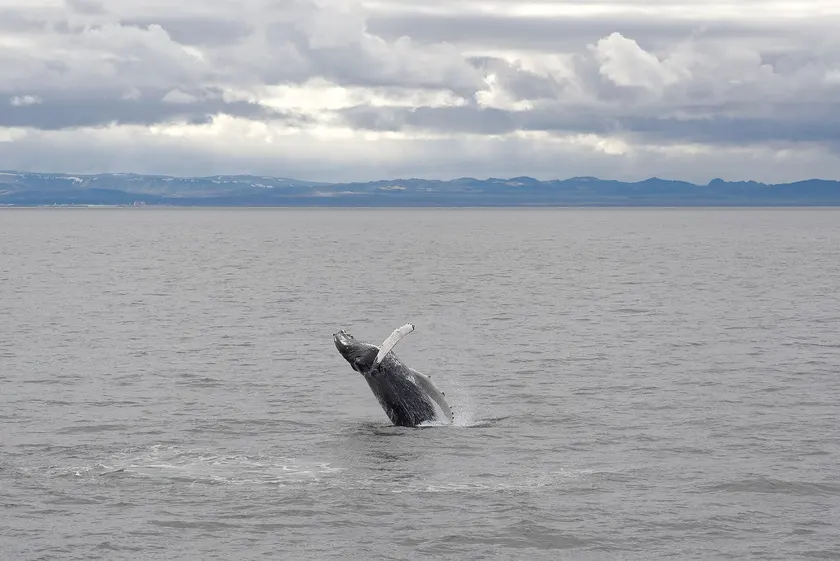
Hervey Bay humpbacks reach most of their adult length by about age seven
Drone measurements of living whales show the eastern Australian population growing up faster than other humpback groups measured the same way.
Verified · Phys.org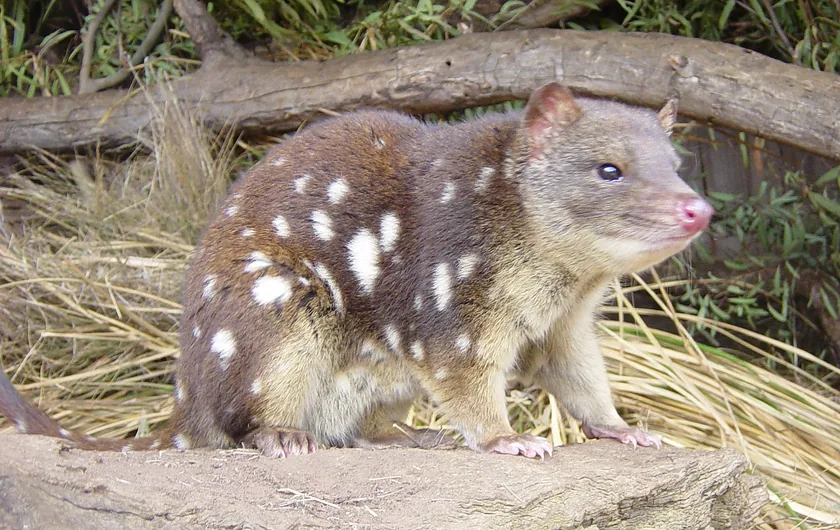 Science
Native mammals returned across burnt Blue Mountains bushland
Five years after the Black Summer fires, camera traps found a similar set of native mammal species in burnt and unburnt bush. Feral cats were photographed more often than before.
Verified · NSW Local Land Services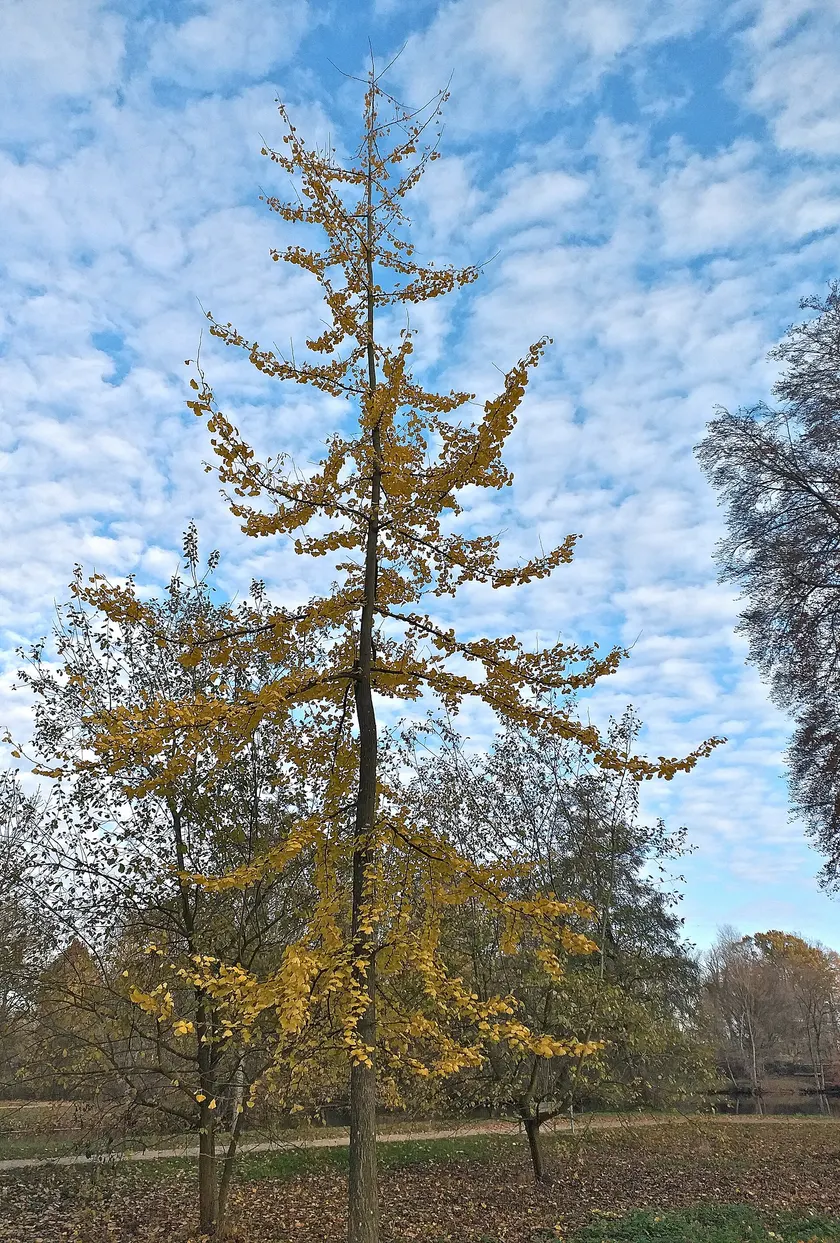 Community
A 167-year-old ginkgo in Geelong was voted Victoria's tree of the year
The National Trust said the botanic-garden tree, planted in 1859 and about 20 metres tall, took nearly a third of the votes.
Verified · ABC News